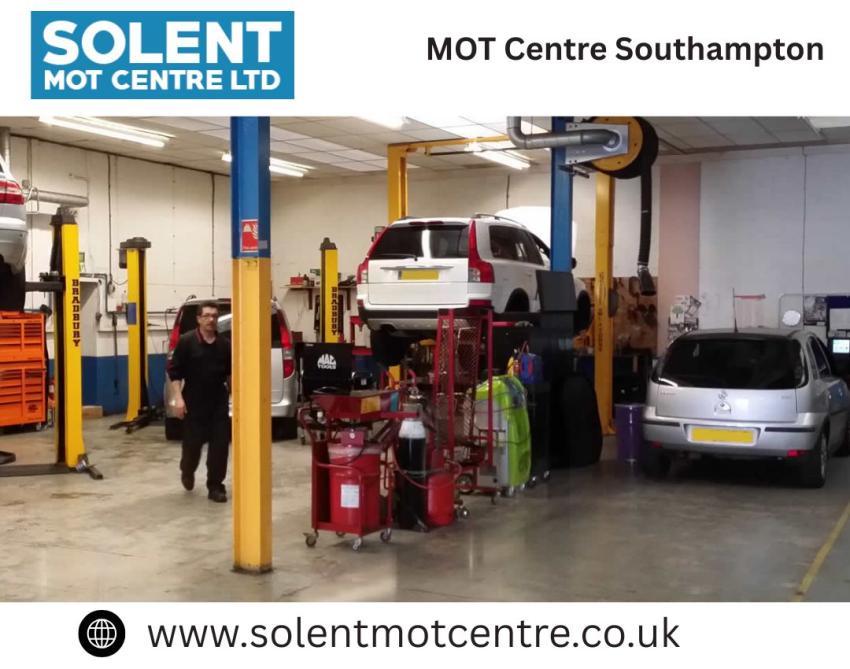
EVs are common on the roads of the United Kingdom. They are common everywhere from urban to rural areas. Many car owners choose EVs over conventional vehicles for benefits including low running costs, quiet operation, and lower emissions that help the environment. But as residents of the United Kingdom, everyone is required to complete a vehicle MOT test to comply with legal requirements. Many EV owners are unsure what the difference is in the test. EV MOTs are similar to the regular MOT. There are a few things that every driver should watch out for before visiting any garage for the MOT test. This blog highlights the EV MOT process, core inspection points, and practical tips to prepare the EV for a smooth, successful MOT test.
Why is an MOT Assessment Necessary?
An MOT test is an annual test that ensures a vehicle's roadworthiness and compliance with environmental standards. A tester checks all the essential components and ensures the vehicle meets all the safety standards that protect road users, passengers, and the environment. It is also important for completing legal compliance if vehicles are registered in the United Kingdom. With VT30 certification, vehicles are not legally allowed to be driven and parked on the road. Overall, it is essential for vehicle safety, reliability and effectiveness.
Does an EV Need an MOT Test?
Every vehicle in the United Kingdom is required to comply with the law and standards. Even EVs require a proper MOT test after completing the third year of vehicle registration. After this, every vehicle must complete its annual test. The only exception in the MOT rule is for emission testing. EVs skip the exhaust and fuel system check entirely. This is one of the main differences on paper. But in practice, there are many aspects to EVs These are the several components that every driver should watch out for before the MOT test.
Drivers planning to book an MOT centre Southampton appointment should check all key components, including tyres, brakes, high-voltage components, and all essential components.
Brakes: Electric cars have regenerative braking, which means the friction brakes do far less work than on a regular car. A regular car's brake pads can corrode and seize. But testers pay close attention to brake performance, disc condition and calliper movement. While driver-side rust on the discs is common and usually fine, the calliper can stick if the pads are not moving. Inspect the brake fluid or change it every 2 years.
Tyres: EV tyres are heavier than conventional tyres. It has an extra 200-300 kg of battery weight, or it generates instant torque that wears tyres faster than standard tyres. Uneven tyres are a common cause of MOT failure. The driver should check the tyre conditions before the MOT test. They should inspect tyre tread and ensure it is undamaged.
High Voltage: EVs rely on the batteries and electric components. The driver should check for visible damage, leaks or warning lights on the dashboard.
- Inspect HV cables or check visible damage only
- Dashboard warning lights must not be illuminated
- Charging port cover and lock mechanisms checked for security
Suspension: EVs have additional battery weight, which puts more strain on suspension components. Bushes, springs, and shock absorbers can wear faster. Driver should inspect their suspension, such as:
- Look out for premature bush wear on heavier EVs
- Coil spring fractures are more common than on petrol cars
- Wheel alignment matters more and affects a wide range of components.
Lights, Wipers and Bodywork: Despite all the high-end components, they are similar to those checked in the standard MOT test. Inspect all the lights, indicators, wipers, and body parts of the vehicle. They should check that all components are functioning well and undamaged, as this can affect the MOT test.
Why EV Owners Shouldn't Skip Maintenance
Many electric vehicles enjoy lower maintenance expenses and various silent features, but for better safety and roadworthiness, the car still needs routine inspections. Regular car maintenance helps to ensure the vehicle's safety, reliability and performance. It also helps to identify all the developing issues before they lead to MOT failures or more expensive repairs. Combining both car maintenance and MOT is often the best way to keep the EV in top condition.
Conclusion
An electric vehicle requires an MOT test, just like a conventional vehicle, once it reaches its required age. Even though EVs have fewer components than standard vehicles, they lack an exhaust system, a fuel system, and some other components. They are still inspected for essential components, including suspension, steering, tyres, lights and high-voltage components. Regular car maintenance and pre-MOT tests are essential for identifying potential issues early. It improves the chance of passing the test while maintaining the vehicle's safety, reliability and legal compliance.