You just paid $400 to rekey your building again because someone quit without returning their keys. And you're sitting there wondering if this is just your life now — writing checks to locksmiths every few months while hoping the person who left two jobs ago didn't make copies.
Here's the thing most business owners don't realize until they actually calculate it: those "cheap" traditional keys are bleeding you dry. Between rekeying costs, replacement keys, lost productivity from lockouts, and the security risk of not knowing who actually has access, you're probably spending more on your key system than Card Access Installers (City) would cost you over three years. And that's before counting what a security breach could cost.
The Hidden Costs Nobody Tells You About
Let's do the math nobody wants to do. Average rekeying runs $200-$400 per door. If you've got five exterior doors and you rekey once a year (and be honest — it's probably more), that's $1,000-$2,000 annually just to reset your locks. Add replacement keys at $5-$15 each, and if you've got 20 employees who lose or need duplicates throughout the year, there's another $100-$300.
But wait — there's more. Remember that time your opening manager couldn't get in because their key broke off in the lock at 5:45 AM? You paid an emergency locksmith $150 to show up before 7:00, plus you lost two hours of revenue while customers stood outside. Those "one-time emergencies" happen more than you think. Card Access Installers build systems that eliminate these surprise costs entirely.
What You're Already Spending vs. What You Think Card Access Costs
Most people hear "card access system" and think "expensive." And sure, upfront installation for a basic system might run $2,000-$5,000 depending on how many doors you're securing. But here's what that actually buys you over three years compared to what you're spending now.
Traditional keys over 3 years: $3,000-$6,000 in rekeying alone, plus $300-$900 in replacement keys, plus $300-$600 in lockout emergencies, plus the incalculable cost of not knowing who has access. Total: roughly $4,000-$8,000, and you still don't have real security. With Alarm4Less, a card access system over the same period costs the initial install fee plus maybe $200-$400 in card replacements if employees lose them. Total: $2,200-$5,400, and you have complete control over who enters and when.
What Card Access Installers Actually Install (And What You're Paying For)
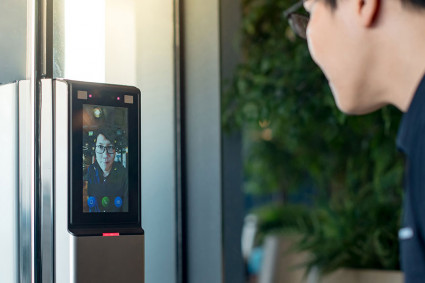
Card access isn't just "fancy keys." You're paying for a system that lets you add or remove access instantly from a computer, track who enters and when, set time-based permissions (no more "the cleaning crew has 24/7 access"), and never rekey anything ever again. When someone leaves, you delete their card from the system in 30 seconds. When you hire someone, you program a new card in two minutes.
The install itself involves mounting card readers at each entry point, running wiring to a central controller, installing electronic strikes or magnetic locks on doors, and setting up the software. Professional Access Control System Installers (City) handle the wiring, programming, and integration so doors unlock smoothly every time without you becoming an IT expert.
The Breaking Point Where Keys Become More Expensive
Here's the calculation that should scare you: if you rekey more than twice in three years, you've already hit the break-even point where card access would've been cheaper. If you've got more than 15 employees with turnover, you're past it. If you've ever had a security incident because someone who left still had a key, you're way past it.
And it's not just about money. It's about knowing who's in your building. With keys, you don't. You hope you got all the copies back. You assume the person who quit six months ago didn't give their key to a friend. Card access installers give you actual certainty — the system logs every entry, and if someone tries to use a deactivated card, you know immediately.
What You Can't Fix With More Keys
No amount of rekeying solves the fundamental problem: physical keys are untrackable. You don't know who made copies. You don't know who borrowed whose key. You don't know if the person entering at 2 AM is supposed to be there. Keys give you the illusion of security, but when someone shows up with one, you have no idea if it's legitimate.
This is why businesses that get serious about security eventually all migrate to card access — not because it's trendy, but because it's the only system that actually tells you who has access right now. When you search Card Access Installers Near Me, you're not just looking for someone to install hardware. You're looking for a solution to the "I have no idea who can get into my building" problem that keeps you up at night.
And once you have that solution installed, the cost equation completely flips. Instead of paying locksmiths every few months forever, you pay once upfront and then you're done. Cards cost $2-$5 to replace instead of $200-$400 to rekey. Access changes take seconds instead of waiting for a locksmith. And if someone loses their card, you don't lose sleep wondering if they'll use it.
If you're still rekeying locks in 2026, you're choosing the more expensive option. The only question is how many more $400 invoices you want to pay before you call Card Access Installers (City) and fix this problem permanently.
Frequently Asked Questions
How much does it really cost to switch from keys to card access?
Basic systems for small businesses start around $2,000-$3,000 for one or two doors, including hardware and installation. That covers card readers, electronic locks, a controller, and initial programming. Larger buildings with multiple entry points might run $5,000-$10,000, but you're buying a system that eliminates rekeying costs permanently.
Can I install card access myself to save money?
You can buy DIY kits, but unless you're experienced with low-voltage wiring and access control software, you'll likely end up paying someone to fix your mistakes anyway. Professional installation ensures doors lock and unlock reliably, the system integrates properly, and you don't void warranties by wiring things incorrectly.
What happens if the system fails and nobody can get in?
Quality card access systems include battery backup so they work during power outages, and most have mechanical override options (physical keys that work even if electronics fail). The bigger risk with traditional keys is losing the only copy and being completely locked out — card systems actually give you more redundancy, not less.
Do I have to replace all my doors to use card access?
No — card access works with most standard commercial doors. Installers add electronic strikes or magnetic locks to your existing doors and frames. You're upgrading the lock mechanism, not rebuilding the door. The only time you need new doors is if your current frames are too damaged to securely mount the hardware.
How long do access cards last before they stop working?
Proximity cards typically last 5-10 years with normal use. The cards themselves are durable plastic with embedded RFID chips that don't wear out from swiping. The main reason to replace them is physical damage (cracked, bent) or an employee losing one. At $2-$5 per card, replacement costs are trivial compared to rekeying.