Planning a trip to Japan often feels like trying to solve a beautiful but complex puzzle. One neighborhood presents you with neon-lit skyscraper canyons, while the next opens up into a quiet bamboo grove where the only sound is the rustle of leaves. Because the country seamlessly blends hyper-modern infrastructure with deeply rooted traditions, figuring out how to see it all without burning out is a genuine art form.
Many travelers find that navigating the logistics on their own becomes a second full-time job. Between decoding train schedules, securing regional rail passes, and trying to book notoriously elusive ryokan (traditional inn) stays, the planning phase can quickly get overwhelming. This is where well-crafted travel options come in. Deciding on the right Japan tour packages can bridge the gap between a stressful logistical headache and a perfectly paced vacation.
The Classic First-Timer Route: Tokyo, Kyoto, and Osaka
If you have never stepped foot in the country, your baseline itinerary will almost certainly revolve around the Golden Route. This classic path connects the current capital, the cultural heartland, and the street-food capital of the nation.
Tokyo: Spend your first few days adjusting to the time zone amidst the organized chaos of Shibuya and the electronic subculture of Akihabara. Balance this out with a morning walk through the quiet grounds of Meiji Shrine.
Kyoto: A bullet train ride away sits the old capital. Here, the focus shifts to wooden machiya townhouses, the brilliant orange gates of Fushimi Inari, and quiet stone streets.
Osaka: End the main loop here for a completely different energy. It is louder, more casual, and deeply obsessed with food. Dotonbori is the place to go for takoyaki (octopus balls) and okonomiyaki (savory pancakes).
Most standard Japan travel packages cover this exact loop over 7 to 10 days. It gives you a solid macro-level view of the country, though you will be sharing these spaces with plenty of other international visitors.
Managing the Real Cost of a Japan Trip
A common misstep is failing to account for the actual daily cost of ground details once you arrive. While your flights and hotels might be locked in beforehand, your out-of-pocket expenses can catch you off guard if you aren't prepared.
Food in Japan spans an incredibly wide financial spectrum. You can easily eat an excellent bowl of standing-room-only ramen or a convenience store katsu sandwich for under $8. On the flip side, a formal multi-course kaiseki dinner or a high-end sushi omakase experience can easily run upwards of $150 per person.
When analyzing a tour package of Japan, check exactly what is included. Some budget options look incredibly attractive on paper but leave you to pay for all daily temple entry fees, local subway fares, and dinners. A mid-range package that includes breakfast, regional train passes, and select group dinners often ends up saving you money and stress in the long run.
Navigating the Seasons: Beyond the Spring Rush
Everyone wants to see the pink petals drape over castle moats. It is undeniable that a cherry blossom tour Japan itinerary is visually spectacular, but it comes with massive crowds and peak-season pricing. Hotels book out six to nine months in advance, and popular shrines can feel like a crowded subway station.
If you value breathing room and lower prices, consider the alternatives.
Autumn Color
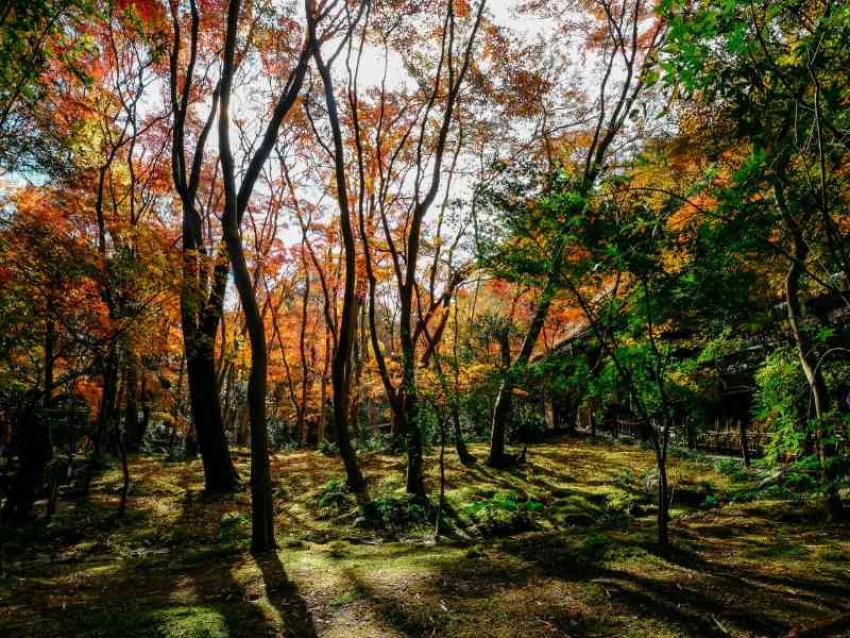
From late October through November, the maple trees turn brilliant shades of fiery red and deep orange. The weather is crisp, dry, and arguably much more comfortable for walking miles through historical districts than the humid spring months.
The Winter Charm
Traveling between December and February opens up incredible northern experiences. You can head up to Hokkaido for world-class powder snow, or visit the historic villages of Shirakawa-go to see traditional thatched-roof houses covered in deep snow drifts. Plus, sitting in an outdoor hot spring (onsen) while snow falls around you is tough to beat.
Master the Trains: Transportation Realities
Japan has perhaps the best public transit network on earth, but understanding how to use it efficiently requires a quick learning curve. The bullet train (Shinkansen) is the backbone of regional travel. It is fast, silent, and incredibly punctual.
A frequent mistake travelers make is assuming a single rail pass covers every single track in the country. The rail network is split among various private companies and regional branches. If your Japan itinerary for first-time visitors involves bouncing between cities daily, a pre-arranged transport voucher or a dedicated group coach removes the guesswork of buying individual tickets at crowded station machines.
For local travel within cities like Tokyo or Osaka, buy a rechargeable IC card (like Suica or Pasmo) immediately. You tap them at the turnstiles for subways and buses, and you can even use them to buy drinks from the ubiquitous vending machines found on almost every street corner.
Culturally Grounded: Etiquette Tips to Keep in Mind
A lot of travel anxiety stems from worrying about doing the wrong thing in a foreign country. Japanese society values public consideration, and keeping a few simple rules in mind will make your interactions incredibly smooth.
First, avoid eating or drinking while walking down the street. If you buy a snack from a street vendor or a convenience store, it is customary to consume it right next to the shop or stall where you purchased it. This also helps control litter, which is important because public trash cans are notoriously difficult to find.
Second, tipping does not exist. If you leave extra cash on a restaurant table, the server will likely chase you down the street to return the money you forgot. Exceptional service is simply the standard, and a polite arigato gozaimasu (thank you very much) is all the reward that is expected.
Finding Balance on Your Itinerary
The temptation to pack every single hour of your vacation with sightseeing is incredibly strong, especially when looking at comprehensive Japan tours. However, the real magic of the country often happens during the unstructured gaps in your day.
Give yourself the time to get slightly lost in a quiet residential neighborhood, sit in a small third-wave coffee shop, or just watch the commuter rush at a local station. Choose a travel structure that provides solid logistics for the big inter-city moves but leaves your afternoons flexible enough to explore at your own pace.