Just a few months ago, I saw something that completely changed how I think about medical devices. I was going to the office, and I saw a serious road accident happening right in front of my eyes. Seconds later, cars stopped, and people ran to the injured person. I went to help too. The man had a serious head injury and had lost a lot of blood. He was in a frightful state. Some of us got him directly to the nearest hospital, and someone called his family. Doctors examined him and told his family he was badly injured, slipped into a coma from excessive loss of blood and head trauma. The family was naturally anxious. One of the doctors, speaking to them, said the patient would not be able to eat or drink or take medicine by himself. He would have a Ryles Tube put in through his nose and down into his stomach to make sure he was fed and given prescribed drugs. I had never paid that much attention to such medical devices before that day. However, watching the importance of a Ryles Tube in the patient’s treatment, I realised that many life-saving procedures depend on simple yet highly effective medical products.
What is Ryles Tube?
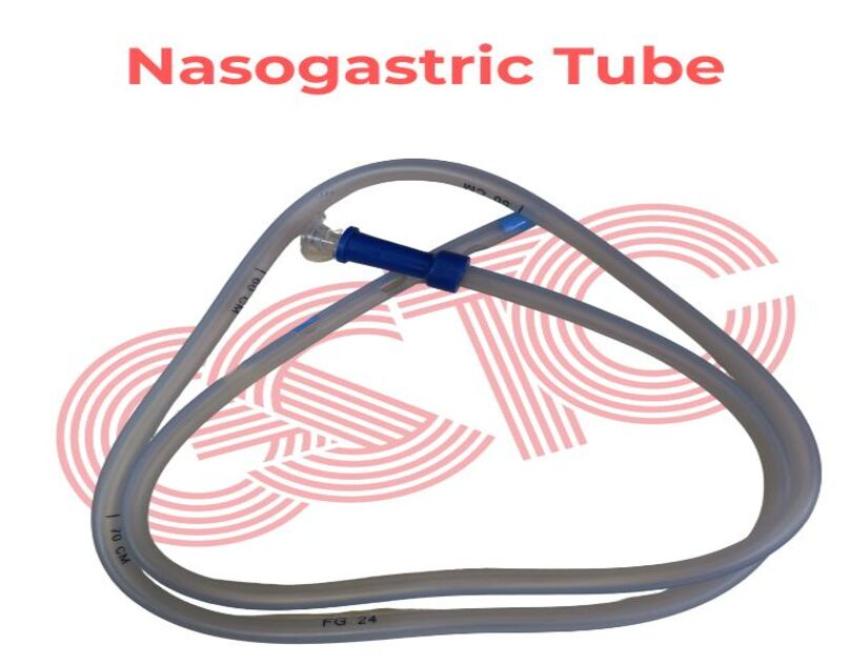
A Ryles Tube (or nasogastric tube) is a flexible tube inserted through the nose and down into the stomach. It is commonly used when a patient can’t eat, drink or take medication through the normal oral route. A Ryle tube is used by doctors and health care professionals to feed people who need nutritional support, give medicines, and, if need be, take out the contents of their stomach. It is common in hospitals, Intensive Care Units, Emergency Departments, nursing homes and rehabilitation centres.
The tube goes right into the stomach. This lets health providers continue treatment when a person is unconscious or can’t swallow.
When is a Nasogastric Tube required?
There are several situations where a nasogastric tube may be needed.
It is often utilised for:
Coma patients
Difficulty swallowing in stroke patients
Cases of head injury and trauma
Patients in ICU & on ventilator support
Patients recovering from major surgery
Neurological disorders that affect swallowing
Methods of drainage and decompression of the stomach
In all these conditions, it is very important to keep proper nutrition and medication supply for recovery. A Ryles Tube is a handy tool for health care professionals to do this effectively.
Main Uses of a Ryles Tube
Another reason why the Ryles tube is still so important in medicine is its versatility.
1. Tube Feeding:
Many patients cannot eat normally due to illness, injury or surgery. The tube is a method of administering liquid nutrients directly into the stomach.
2. Medication
Some patients can’t swallow the medicine directly due to their ongoing treatment or illness. In this case, you can safely give medicines through the tube as directed by health care professionals.
3. Gastric Decompression
In some medical conditions, excess gas, fluid, or stomach contents need to be removed. The pressure and discomfort can be relieved by a nasogastric tube.
4. Post-Operative Care
For some surgical procedures, temporary assistance in feeding and stomach drainage is needed until the normal digestive function can be restored.
Ryles Tube Features
A well-designed Ryles tube provides many benefits to patients and health care workers.
Commonly preferred features include:
Soft and flexible construction
Easy to insert due to the smooth surface
Markings for exact locations
Medical-grade material
Radio-opaque line to confirm position
Individually sterile-packed
Capability for efficient feeding and drainage
These features enhance patient comfort and allow healthcare professionals to perform procedures more efficiently.
Ryles Tube Specifications
Specifications may vary from manufacturer to manufacturer. However, most Ryles Tubes are manufactured to hospital requirements and international quality standards.
Standard specifications include:
Medical-grade tubing material
Rounded tip smooth
Many lateral eyes for efficient flow
Sterile packing
Colour-coding for size identification
Suited for feeding and drainage applications
Intended for short-term enteral use
Generally, the specifications are determined by the age of the patient, the clinical condition and the treatment that is given.
Conclusion
A Ryles Tube may sound like a simple medical device, but its importance comes forward when the patients are not able to eat, drink or take medicines on their own. Whether it’s a trauma case, a stroke patient, someone recovering from surgery or someone receiving treatment in the ICU, the tube allows healthcare professionals to carry on with essential patient care without interruption. GST Corporation is a trusted name in the industry for healthcare institutions, distributors and international buyers looking for reliable medical equipment. In the healthcare sector, quality manufacturing and a strong commitment to patient safety remain top priorities to help medical professionals provide reliable and effective care in a broad range of clinical settings.