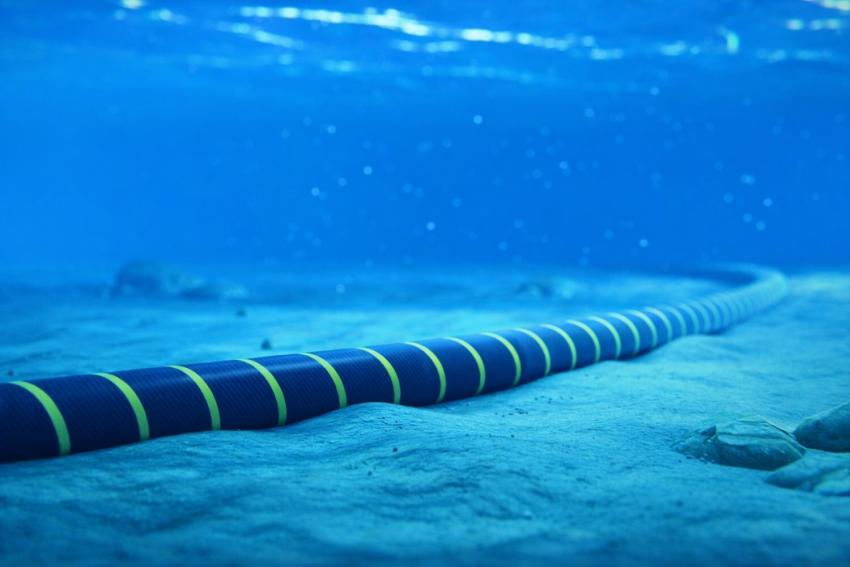
The ocean floor carries more of the world's internet and power traffic than most people realize. Thousands of kilometers of cables run silently beneath the sea, keeping countries connected and energy flowing. But what happens when one of these cables fails? The result can be widespread outages, economic losses, and disrupted lives. That is why preventing unplanned service interruptions is one of the most important goals in the subsea cable industry today. This article explains how the cable industry works to keep these systems running, and why it matters to all of us.
Why Submarine Power Cable Installation Is So Critical
When engineers carry out submarine power cable installation, they are not simply laying wires across the ocean floor. They are building infrastructure that will be expected to perform reliably for 20 to 25 years under extreme pressure, shifting seabeds, and the constant threat of anchors or fishing equipment cutting through the cables.
Every stage of the installation process is designed with fault prevention in mind. Engineers conduct detailed route surveys before laying begins. They map underwater hazards, check sediment types, and plan burial depths accordingly. In high-risk zones near shipping lanes or fishing grounds, cables are buried one to three meters below the seabed to reduce exposure. This level of planning significantly reduces the risk of physical damage after installation.
Common Causes of Unplanned Service Interruptions
Most people assume that cable failures happen because of technical faults inside the cable itself. In reality, around 70 percent of deep-sea cable faults are caused by human activities, particularly anchoring and bottom trawling by fishing vessels.
Natural events also play a role. Submarine landslides triggered by earthquakes, strong underwater currents, and even biological threats such as shark bites have all caused real damage to subsea infrastructure. Without protective systems in place, a single incident can knock out connectivity for millions of users or halt the delivery of offshore wind energy to the mainland.
How Subsea Cable Technologies Reduce the Risk
This is where subsea cable technologies make the most meaningful difference. Modern cables are designed with several protective layers to enhance durability and safety. High-density polyethylene sheathing, steel wire armoring, and copper or aluminum conductors are combined in a way that balances flexibility with strength. For power cables, cross-linked polyethylene insulation is the current industry standard because it handles high voltages with minimal energy loss.
Beyond the physical structure of the cable, real-time monitoring systems have transformed how operators detect problems. Distributed acoustic sensing allows engineers to detect unusual vibrations along the cable route from a single monitoring point onshore. If a vessel is dragging an anchor too close to a cable, the system can send an alert before any damage occurs.
Fiber optic sensing embedded within power cables also tracks temperature and strain at every point along the route. If any section of the cable is under unusual mechanical stress, operators know immediately. This kind of early warning system is essential for reducing response time and preventing a minor stress event from becoming a full failure.
Case Study 1
In 2017, a power interconnector between Norway and the Netherlands called NorNed experienced an internal fault that disrupted cross-border electricity trading. The fault took several weeks to repair. Following this incident, the operators invested in enhanced condition monitoring systems and revised their maintenance protocols. The improved setup allowed future anomalies to be caught at an earlier stage, preventing a repeat event of the same scale.
Case Study 2
Another less commonly discussed case involves the Hawaiki Cable, which connects the United States, New Zealand, and Australia. During pre-commissioning testing in 2018, sensors detected a stress irregularity along one segment of the cable near the Tonga Trench. Because the monitoring technology was already in place during deployment, engineers were able to identify the issue before the cable went live and correct it without a service outage. This is a strong example of how proactive sensing saves operators from costly reactive repairs.
Training, Standards, and Coordination
Technology alone does not prevent interruptions. The human element is equally important. Operators follow international standards set by organizations such as the International Cable Protection Committee. These guidelines cover everything from how ships must behave near cable zones to how repairs should be coordinated across multiple countries.
Regular training for cable technicians, ship captains, and monitoring staff ensures that when something does go wrong, the response is fast and organized. Many operators also maintain relationships with specialized cable repair ships that can be dispatched quickly if a fault is confirmed.
Conclusion
Preventing unplanned service interruptions is not a one-time achievement. It is an ongoing effort that combines smart engineering, advanced monitoring, international cooperation, and skilled human teams. As offshore energy expands and global data demand grows, the pressure on subsea infrastructure will only increase. When a subsea power cable event does occur, the difference between a minor delay and a weeks-long outage often comes down to how well the systems and people around that cable were prepared. Investing in prevention is always less costly than managing a crisis after the fact.
Frequently Asked Questions
Q1. What is the average lifespan of a subsea cable?
Most subsea cables are designed to last between 20 and 25 years. With regular monitoring and maintenance, some cables continue to operate beyond this expected lifespan.
Q2. How long does it take to repair a damaged subsea cable?
Repair times vary depending on the location of the fault and sea conditions. Shallow water repairs can take a few days, while deep-sea repairs may take several weeks due to the complexity of reaching the damaged section.
Q3. Can ships accidentally cut subsea cables?
Yes, anchoring and bottom trawling are among the leading causes of cable damage. Most countries have established cable protection zones where certain maritime activities are restricted near known cable routes.
Q4. How do operators know when a cable is about to fail?
Real-time monitoring systems using fiber optic sensing and distributed acoustic sensing can detect early warning signs such as unusual temperature changes, mechanical strain, or vibrations along the cable. These systems allow operators to act before a failure occurs.
Q5. Are subsea power cables different from data cables?
Yes. While both types share some structural similarities, power cables are built to handle high voltages and require different insulation materials and shielding. Data cables primarily carry fiber optic strands for transmitting information, whereas power cables move electrical energy between locations.