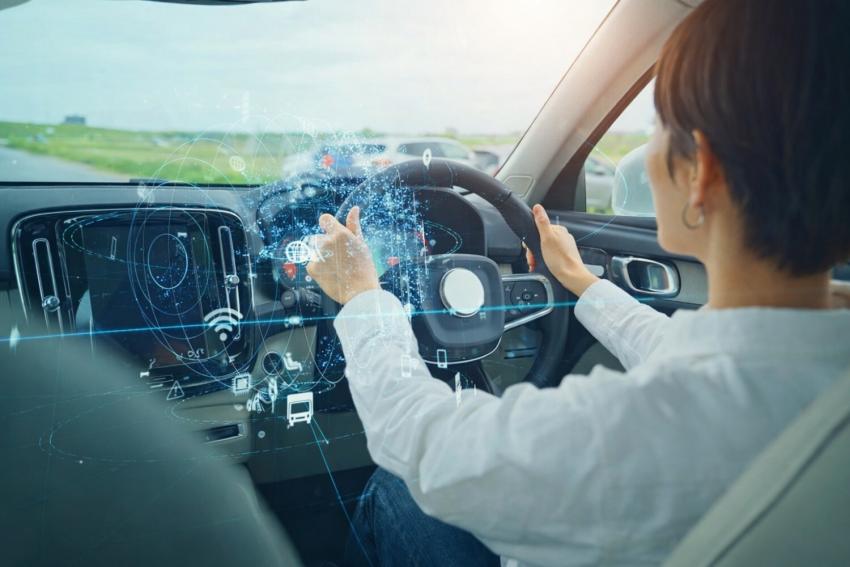
For decades, car buyers judged safeFunctional Safety in Electric Vehicles mostly by crash test stars and airbag counts. Today, a quieter but more powerful safety story is unfolding inside a vehicle's software and electronics. Automotive functional safety, the discipline that makes sure electronic systems behave correctly even when something goes wrong, has moved from an engineering checkbox to a topic everyday customers ask about. As cars turn into rolling computers, the question is no longer just whether a car is safe, but whether its software can be trusted. That shift creates a real opportunity for car brands willing to talk about it openly.
What Functional Safety Actually Means
In simple terms, functional safety asks one question: if a sensor, chip, or piece of software fails, does the car still behave safely? It is not about manufacturing defects or crumple zones. It is about electronic failures, such as a brake sensor sending the wrong reading or a steering motor losing its signal for a split second. The global guideline behind this work is ISO 26262, which helps engineers find risks early, build in backup systems, and confirm that a failure leads to a controlled response rather than a dangerous one.
Why Safety Is Becoming a Selling Point
For years, functional safety stayed behind the scenes. Engineers cared about it and regulators demanded it, but marketing teams rarely mentioned it because customers did not ask. That is changing. News about software recalls, sudden power loss, or driver assistance systems behaving unpredictably has made people far more aware that electronic safety matters as much as steel and airbags. Brands that explain, in plain language, how their systems are tested and how they react to failures are starting to stand out. Safety used to be assumed. Buyers now expect this to be clearly explained.
Functional Safety in Electric Vehicles
Electric vehicles raise the stakes even higher. Functional safety in electric vehicles covers high voltage battery management, motor control units, and charging systems, areas that simply did not exist in this form in traditional petrol cars. A single software fault in a battery management unit can lead to anything from reduced range to a serious thermal event, so EV makers must prove their electronics respond safely to sudden power loss, overheating, or charging faults. Buyers researching electric cars now compare not only range and charging speed but also how openly a brand discusses battery protection and software testing. For newer EV companies trying to win trust against established automakers, strong functional safety practices can become a genuine point of difference rather than a small technical detail.
Case Studies From the Industry
Two recent cases show why this matters in practice.
Case Study 1
In 2024, Hyundai, Kia, and Genesis recalled more than 146,000 electric vehicles, including the Ioniq 5 and EV6, after reports that a faulty Integrated Charging Control Unit could cause sudden power loss while driving. The unit manages power flow to low voltage accessories, and when it failed, drivers heard a popping sound followed by warning lights and a loss of drive power. The fix combined software and hardware changes, but the case showed how one component failure can affect the daily safety of hundreds of thousands of drivers at once.
Case Study 2
In late 2025, Rivian recalled more than 24,000 R1S and R1T electric vehicles after its Highway Assist driver assistance feature misclassified a slow moving vehicle ahead, leading to a loss of control in one reported incident. Instead of calling owners back to dealerships, Rivian pushed an over the air update that fixed the issue in most vehicles within days, showing the value of being able to correct functional safety problems remotely and fast.
How Brands Can Turn Safety Into Trust
Car companies that want to use functional safety as a brand strength tend to do a few things consistently. They publish clear, honest explanations of how their safety systems work instead of hiding behind jargon. They seek independent certification against recognised standards and are not afraid to mention it in marketing. They invest in over the air update capability so problems can be fixed quickly without damaging customer confidence. Most importantly, they train sales and support teams to answer safety questions honestly rather than deflecting them, because today's buyers are increasingly willing to ask.
Conclusion
Functional safety is no longer a hidden engineering detail. It is becoming part of how people judge a car brand, especially as electric and semi-autonomous vehicles grow more common on the road. Discussions at almost every major autonomous vehicles conference now include functional safety as a central theme, alongside sensors, artificial intelligence, and regulation. Brands that treat safety engineering as something worth explaining, rather than something to quietly manage, are likely to earn more trust in a market where software failures make headlines fast.
Frequently Asked Questions
1. What is the difference between functional safety and general vehicle safety?
General vehicle safety includes physical protection like seatbelts and airbags. Functional safety focuses on electronic and software systems, making sure they respond safely when a fault occurs.
2. Why is functional safety more important in electric vehicles?
Electric vehicles rely heavily on software to manage batteries, motors, and charging. A fault in this software can affect safety in ways traditional fuel powered cars never faced.
3. Can software updates fix functional safety issues after a car is sold?
Yes, many vehicles can receive over the air updates that correct safety related software faults without a dealership visit, as seen in recent industry recalls.
4. Does ISO 26262 certification guarantee a car is completely safe?
No standard can guarantee zero risk. ISO 26262 helps improve the safety of electronic systems by applying systematic risk assessment and verification processes, although it cannot completely eliminate all potential failures.
5. How can customers tell if a car brand takes functional safety seriously?
Look for clear communication about safety testing, independent certifications, a track record of transparent recall handling, and the ability to fix software issues remotely.