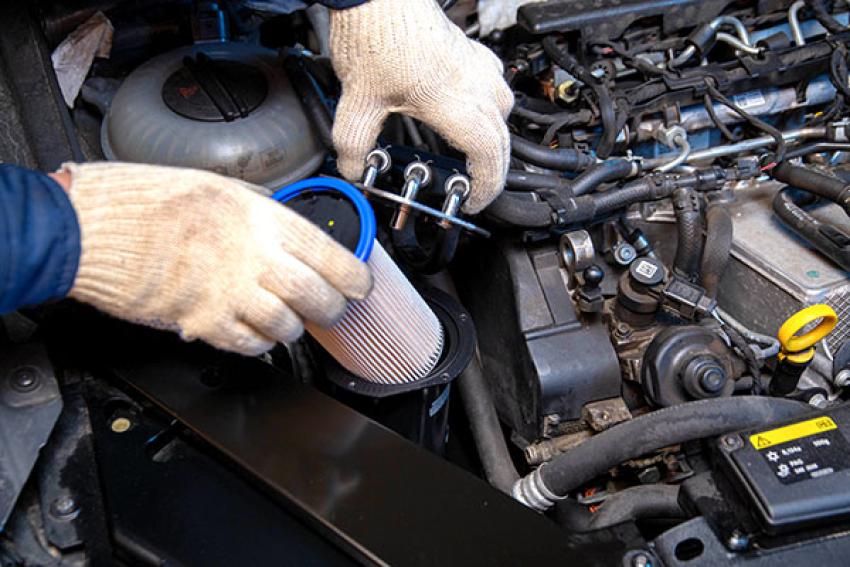
The fuel system is one of the most critical components of any vehicle, responsible for delivering the right amount of fuel to the engine for combustion. When it fails or becomes inefficient, the entire performance of the vehicle suffers. This is where Fuel System Repair becomes essential for maintaining smooth engine operation, fuel efficiency, and long-term reliability.
In modern vehicles, fuel systems are highly advanced, involving fuel pumps, injectors, filters, and electronic control units. Even a small issue can lead to poor performance, increased fuel consumption, or complete engine failure. Understanding the causes, symptoms, and solutions of fuel system problems can help drivers prevent costly repairs and maintain optimal vehicle health.
In this detailed guide, we will explore everything you need to know about Fuel System Repair, including common issues, warning signs, maintenance tips, and expert solutions.
What is a Fuel System?
A vehicle fuel system is responsible for storing, filtering, and delivering fuel to the engine. It ensures that the engine receives a precise mixture of air and fuel for efficient combustion.
A typical fuel system includes:
Fuel tank
Fuel pump
Fuel filter
Fuel injectors or carburetor
Fuel lines
Pressure regulator
Modern vehicles mostly use fuel injection systems, which provide better efficiency and lower emissions compared to older carburetor systems.
Importance of Fuel System Repair
Regular Fuel System Repair and maintenance are essential for:
Improving engine performance
Enhancing fuel efficiency
Reducing harmful emissions
Preventing engine damage
Extending vehicle lifespan
Ignoring fuel system problems can lead to severe engine issues and expensive repairs. That is why timely inspection and fuel system service are critical for every vehicle owner.
Common Causes of Fuel System Problems
Understanding the root causes of fuel system issues helps in preventing future breakdowns. Below are the most common reasons behind fuel system failures:
1. Dirty Fuel Injectors
Fuel injectors can become clogged with carbon deposits over time, leading to poor fuel spray patterns and inefficient combustion. This is one of the most common issues requiring fuel injection repair.
2. Clogged Fuel Filter
A fuel filter traps dirt and debris from fuel. When it becomes clogged, fuel flow to the engine is restricted, causing performance issues.
3. Faulty Fuel Pump
The fuel pump is responsible for delivering fuel from the tank to the engine. A failing pump can result in engine sputtering or complete shutdown.
4. Contaminated Fuel
Low-quality or contaminated fuel can introduce impurities into the system, damaging injectors and filters.
5. Damaged Fuel Lines
Cracked or leaking fuel lines can lead to fuel loss and pose serious safety hazards.
6. Electrical Issues
Modern fuel systems rely on sensors and electronic control units. Faulty wiring or sensors can disrupt fuel delivery.
These issues are commonly categorized under automotive fuel system issues, and require professional diagnosis.
Symptoms of Fuel System Problems
Early detection is key to avoiding expensive repairs. Here are the most common symptoms that indicate you may need Fuel System Repair:
1. Difficulty Starting the Engine
If your engine takes longer than usual to start, it may be due to fuel delivery problems.
2. Poor Acceleration
A clogged injector or weak fuel pump can reduce engine power and acceleration.
3. Decreased Fuel Efficiency
If your vehicle is consuming more fuel than usual, it could indicate an inefficient fuel system.
4. Engine Misfires
Irregular fuel supply can cause the engine to misfire or run unevenly.
5. Strong Fuel Smell
A fuel leak or faulty injector may produce a noticeable fuel odor.
6. Engine Stalling
If your engine suddenly shuts off while driving, it may be due to fuel starvation.
7. Check Engine Light
A malfunctioning fuel system often triggers the check engine light on the dashboard.
Fuel System Repair Solutions
Proper diagnosis and repair are essential to restore vehicle performance. Here are common solutions used in Fuel System Repair:
1. Fuel Injector Cleaning or Replacement
Professional cleaning removes carbon buildup from injectors. In severe cases, replacement may be necessary as part of fuel injection repair.
2. Fuel Filter Replacement
Replacing the fuel filter ensures proper fuel flow and prevents contaminants from entering the engine.
3. Fuel Pump Repair or Replacement
A faulty fuel pump must be repaired or replaced to restore consistent fuel delivery.
4. Fuel System Cleaning Service
A complete fuel system service involves cleaning injectors, fuel lines, and intake components to restore efficiency.
5. Sensor and ECU Diagnosis
Modern vehicles require computerized diagnostics to identify sensor or ECU-related fuel system issues.
6. Fuel Line Repair
Damaged fuel lines must be repaired or replaced immediately to prevent leaks and safety risks.
Vehicle Fuel System Maintenance Tips
Proper vehicle fuel system maintenance can significantly reduce the risk of breakdowns and expensive repairs. Follow these essential tips:
Always use high-quality fuel
Replace fuel filters regularly
Keep your fuel tank at least half full
Schedule periodic fuel system cleaning
Avoid ignoring warning lights
Use fuel additives recommended by professionals
Get regular engine tune-ups
These simple steps can extend the life of your fuel system and improve overall performance.
Preventing Automotive Fuel System Issues
Prevention is always better than repair. Most automotive fuel system issues can be avoided with regular maintenance and careful driving habits.
Here’s how you can prevent problems:
Avoid low-quality fuel stations
Do not let the vehicle sit unused for long periods
Maintain proper service intervals
Address small engine issues immediately
Keep the fuel tank and system clean
By following these practices, you can reduce the likelihood of major fuel system failures.
When to Seek Professional Fuel System Repair
You should immediately seek professional help if:
The engine frequently stalls
Fuel efficiency drops suddenly
You smell fuel inside or outside the car
The vehicle struggles to accelerate
The check engine light remains on
Professional mechanics use diagnostic tools to accurately identify and fix fuel system problems before they worsen.
Cost of Fuel System Repair
The cost of Fuel System Repair depends on the severity of the issue and the type of vehicle. Basic services like fuel filter replacement are relatively inexpensive, while fuel pump or injector replacement can be more costly.
Typical factors affecting cost include:
Type of repair needed
Vehicle make and model
Labor charges
Parts quality
Regular maintenance helps reduce long-term repair costs significantly.
Benefits of Timely Fuel System Service
Getting timely fuel system service offers several advantages:
Better engine performance
Improved fuel economy
Reduced emissions
Longer engine life
Fewer unexpected breakdowns
A well-maintained fuel system ensures your vehicle runs smoothly and efficiently under all conditions.
Conclusion
The fuel system plays a vital role in the overall performance and efficiency of your vehicle. Ignoring its maintenance can lead to serious engine problems and expensive repairs. Understanding the causes, symptoms, and solutions of fuel system issues helps drivers take proactive steps to protect their vehicles.
Regular Fuel System Repair, proper maintenance, and timely servicing can significantly improve your car’s performance and reliability. Whether it’s fuel injector cleaning, pump replacement, or complete system servicing, addressing issues early is the key to long-term vehicle health.
FAQs About Fuel System Repair
1. What is Fuel System Repair?
Fuel System Repair involves diagnosing and fixing issues in components like fuel pumps, injectors, filters, and fuel lines to restore proper engine performance.
2. What are the most common fuel system problems?
Common issues include clogged injectors, faulty fuel pumps, dirty filters, and fuel line leaks.
3. How do I know if my fuel system is failing?
Symptoms include poor acceleration, engine misfires, difficulty starting, and reduced fuel efficiency.
4. How often should I get fuel system service?
It is recommended to get a fuel system service every 20,000 to 30,000 kilometers or as advised by your mechanic.
5. Can bad fuel damage the fuel system?
Yes, contaminated or low-quality fuel can clog injectors and damage the fuel pump.
6. What is fuel injection repair?
Fuel injection repair involves cleaning or replacing clogged or malfunctioning fuel injectors.
7. Is fuel system maintenance expensive?
Basic maintenance is affordable, but ignoring issues can lead to costly repairs.
8. Can I drive with a fuel system problem?
It is not recommended, as it can lead to engine damage or breakdown.
9. What is included in vehicle fuel system maintenance?
It includes cleaning injectors, replacing filters, checking fuel lines, and inspecting pumps.
10. How can I prevent automotive fuel system issues?
Use quality fuel, follow maintenance schedules, and address warning signs early.