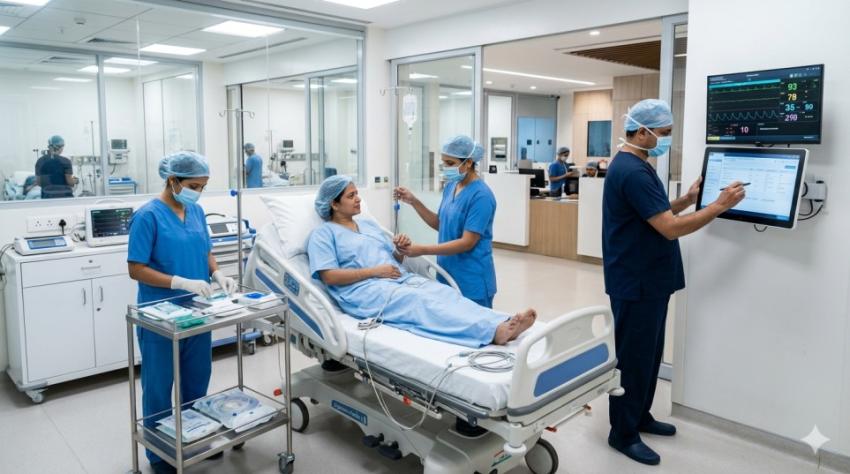
In the last few decades, the way healthcare is delivered has changed drastically. Today, most procedures can be performed in specialized outpatient centers, meaning patients can have their procedure done and go home on the same day. Because of this shift to outpatient surgical centers, they have created many new opportunities within the healthcare system.
Some of the latest news reporting on the investigation into the data breach at the Michigan Surgical Center also highlights healthcare organizations that provide specialized treatment services to thousands of people. While there are probes into specific allegations of wrongdoing, it is easy to see from these investigations that all healthcare providers play a large role in the care of their patients and handling of their sensitive health information.
An outpatient surgical center is designed to provide efficient and focused care for patients who do not need to stay in a facility overnight. Outpatient facilities typically have certain specialties, allowing them to help patients receive treatment in an environment designed specifically for their needs.
Reasons Why Outpatient Surgery Has Increased
Because of advancements in technology, anesthesia, and surgical techniques, many procedures today are much safer and less invasive than many years ago.
The following types of procedures are commonly performed at outpatient facilities today:
- Eye procedures
- Procedures on the bones and joints
- Nose and face procedures
- Procedures on the digestive system
- Treatments for chronic pain
- Testing for health reasons
Many of these outpatient facilities are a great option for many patients instead of using a traditional hospital setting.
Benefits for Patients
have an obligation to keep up with those changes to provide quality patient experiences.
Outpatient surgical clinics are typically set up with efficiency in mind and to provide a high level of care. The smooth flow of patients through the surgical center and focused, specialized care are reasons many patients prefer outpatient surgery.
Some benefits of outpatient surgical clinics:
- Quicker recovery times
- Decreased wait times
- Easier scheduling
- Specialized surgical teams
- Lower cost for health care in certain cases
- The opportunity for a same day discharge for some qualified procedures
These benefits have contributed to the growing acceptance of outpatient surgical patients for several medical specialties.
Creating a positive patient experience is extremely important for healthcare organizations today. Patients now evaluate healthcare providers not only by their clinical outcomes, but also by their communication skills, convenience, access, and quality of care provided.
Healthcare facilities that succeed in creating a positive patient experience generally focus on:
- Effective communication
- Patient education
- Efficient scheduling
- Compassionate care
- Access to support services
By providing a positive patient experience for their patients, healthcare providers can improve their patients' confidence in and comfort with their surgical care throughout the entire treatment process.
The Use of Technology in the Delivery of Surgical Care
Today's surgical centers utilize technology in nearly every aspect of patient care and administration. The use of electronic medical records (EMR), digital imaging systems, patient portals, and advanced surgical instruments have become the standard in surgical centers.
Using technology, healthcare providers can:
- Improve care coordination
- Improve treatment planning
- Streamline administrative processes
- Increase convenience for patients
- Maintain complete medical records
As healthcare technology continues to change and advance, healthcare organizations must adapt to this change so they can provide the best possible experience for those receiving surgical care.
Future Outlook
Outpatient health service demand will likely keep growing as medical advancements allow many operations to be performed and therefore treated within a single day, patients increasingly want to select their physician based on how conveniently, efficiently, and specifically they can receive treatment.
Outpatient surgery facilities or centers of excellence will likely be an integral partner in providing reliable, reasonable, and accessible healthcare services across multiple specialties. Furthermore, ensuring ongoing patient loyalty and providing high-quality patient services while maintaining top-tier service levels will continue to take priority as the industry develops.
The continued development of outpatient surgical centers is an indicator of a shift to more individual, efficient, and patient-centered methods of delivering healthcare in today’s world of medicine.