The landscape of retails shopping has transformed a lot over the past ten years (The decade in retail is long gone). Today’s shopper has more ways to research, compare prices and purchase products than ever before outside of the traditional brick-and-mortar store. Online and mobile shopping channels have become very important for shoppers to find what they want and to make their purchases… no matter where they’re located.
The recent news about a privacy investigation of Tractor Supply Company is just another reminder of how important digital technology is becoming in the retail industry. While the investigation itself deals with a specific issue, the investigation shows us how complicated and robust the digital systems retailers are implementing to understand their customers’ preferences and enhance the overall online shopping experience are becoming.
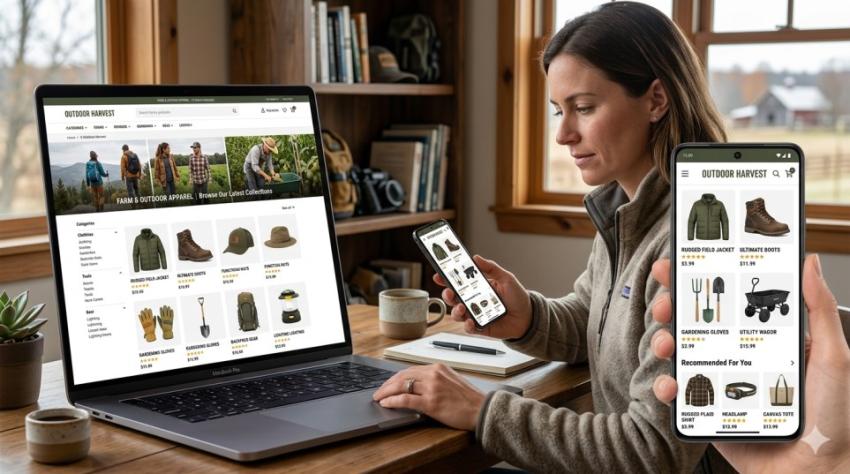
Modern retailer websites are built to provide individual customers with a more personalized shopping experience and fast checkout times. There are various ways to navigate these stores when shopping for garden supplies, pet supplies, home improvement supplies, and outdoor recreation supplies… digital tools will help you to find and organize the product information needed, and will lend themselves to easier navigation through the retailers' sites.
The Evolution of Online Retail
Originally, e-commerce was a digital version of a traditional catalog. However, online retailers are now providing customers with high levels of interactivity that allow them to locate the products they want and need faster than ever before.
Examples of how retailers are providing these forms of interactivity on their websites include:
- Personalized recommendations of products
- Shopping carts that can be saved for later use
- Access to prior purchase histories
- Notifications of product availability
- Availability of customer reviews on purchased products
- Ability to browse using mobile devices
All of these features are designed to create an easier experience for customers and to improve their overall experiences when making purchases.
Understanding Customer Preferences
Retailers are always looking for ways to enhance their websites, thus enhancing their customers' satisfaction. To do this, many businesses analyze how customers are interacting with specific areas of their websites.
A couple of examples of how businesses evaluate their customers' interactions with their websites include:
- Product Categories customers search for most frequently
- Sales Trends - which customer/product pairings have been successful/unsuccessful based on historical sales data
- Website navigation (the most common ways customers click to different pages)
- Engagement with product pages
- Checkout Completion rates (average time spent from product page to order submitted)
Understanding how customers are using a business's website enables businesses to determine areas where they need to improve and/or tailor their products and/or service to provide more pertinent and complete shopping experiences.
Why Convenience Drives Consumer Behavior
Convenience is still the number one thing that drives consumer's decisions when they shop online. Consumers enjoy having the ability to compare products, read reviews, and complete purchases without having to go to several different physical locations to shop for products.
Convenient features include:
- Quick and efficient search tools
- Personalized recommendations
- Multiple payment methods accepted
- Ability to manage account information
- Ability to shop via mobile device
- Simple and efficient checkout processes
As consumer expectations increase/change, retailers are continuing to invest heavily in developing technologies that create better and easier ways for customers to perform their shopping activities.
A Retail Experience is a Customer Experience
Every year, the retail sector continues to evolve with modern technologies allowing retailers and brands to connect with consumers in new and innovative ways (such as via social media and/or through their website). Therefore, as consumer behaviour continues to change, so does the way in which consumers expect to be addressed by retailers and how they will be communicated with.
In addition, as consumers learn more about how digital experiences are created and the role of data in supporting those digital experiences, they are now expecting retailers to be transparent, communicate directly with them and have privacy controls that are simple and easy to use within their broader digital strategy.
The Future of Retail
The retail experience of the future will include digital experiences that are increasingly personalised in every way. Technology will continue to change the way in which consumers interact with retailers online using increasingly sophisticated digital experiences that include enhanced mobile shopping and intelligent search capabilities.
When retailers choose to invest in innovation, their ability to build customer trust and be transparent will be critical to the long-term success of their businesses. If retail businesses can effectively combine convenience, personalisation and responsible digital practices into their customer experience solutions, they will be ideally suited to meet the expectations of "modern consumers".
Overall, the continued evolution of online retail is a demonstration of how technology continues to influence the way in which consumers shop and create new opportunities for retailers to impress upon their customers the value of what they have to offer.