Introduction
The North East of India is changing. Fast.
Places that once saw only a handful of visitors each month are now appearing across social media feeds, travel blogs, and holiday itineraries. Villages hidden behind forest roads. Lakes sitting quietly between mountains. Small tribal communities opening their doors to tourism. More visitors mean more opportunities. But they also bring pressure.
That is exactly why eco-tourism matters in 2026.
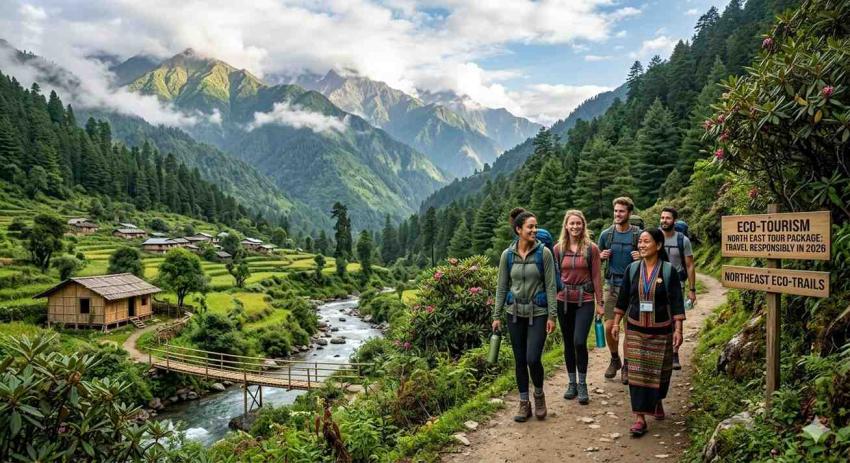
Many travelers looking for north east tour packages are no longer interested in crowded sightseeing schedules. The focus has shifted. Clean environments. Local culture. Responsible travel. Real experiences. Those factors now influence travel decisions as much as hotels and transportation.
And North East India happens to be one of the best places in the country for that approach.
Why Eco-Tourism Matters in North East India
The region is home to some of India's richest biodiversity zones. Dense forests cover large areas of Arunachal Pradesh. Wetlands support hundreds of bird species in Assam. Meghalaya's living root bridges continue to attract global attention. Sikkim maintains strict environmental regulations that many destinations still struggle to implement.
But popularity creates problems.
Plastic waste appears where none existed before. Local resources face additional pressure during peak travel seasons. Roads expand. Construction follows. Small ecosystems begin to feel the impact.
Eco-tourism attempts to slow that cycle.
The idea is simple. Travel should create benefits for local communities while reducing damage to natural surroundings. Sounds straightforward. In reality, it requires effort from tour operators, accommodation providers, local authorities, and travelers.
Every decision matters. Even small ones.
What Makes North East Tour Packages Eco-Friendly?
Not every travel package marketed as "eco-friendly" actually follows sustainable practices.
Some merely add the label.
A genuine eco-focused itinerary often includes locally owned accommodations, community-guided experiences, reduced plastic consumption, and activities that support local economies instead of large outside businesses.
For example, several villages across Meghalaya now operate homestays where tourism income directly supports residents. Similar models are growing in Nagaland and Arunachal Pradesh. The money stays within the community. The impact becomes visible.
And travelers gain something valuable too.
Authentic experiences rarely come from large commercial resorts.
Supporting Local Communities Through Tourism
One of the strongest reasons behind choosing responsible north east travel packages is community support.
Tourism creates jobs. That part is obvious.
Less obvious is how tourism influences small businesses. Local guides. Handicraft sellers. Family-run guesthouses. Farmers supplying food to accommodations. Traditional performers. Transport providers.
A single group of visitors can support dozens of local livelihoods during one trip.
Because of this, several destinations in North East India have started promoting community-led tourism instead of large-scale development projects. The model is not perfect. Challenges remain. But many local communities prefer gradual tourism growth over rapid commercialization.
The difference can be felt on the ground.
Visitors often leave with stories rather than photographs alone.
Best Eco-Tourism Destinations Included in North East Trip Packages
Meghalaya
Meghalaya remains one of the strongest examples of eco-tourism in India.
The villages around Cherrapunji and Mawlynnong have invested significant effort into cleanliness and environmental protection. Forest trails, waterfalls, and living root bridges attract visitors throughout the year. Yet many areas continue to maintain strict waste management practices.
And that matters.
Natural beauty survives only when protected consistently.
Sikkim
Sikkim has spent years building a reputation for responsible tourism. Organic farming initiatives, environmental regulations, and conservation efforts have shaped the state's tourism industry.
Travelers frequently choose Sikkim-based north east tour packages because the balance between tourism and nature remains relatively strong compared to many other mountain destinations.
Arunachal Pradesh
Large parts of Arunachal Pradesh remain untouched by mass tourism.
That creates opportunities and challenges at the same time.
Infrastructure is still developing in many regions. But the reward is access to remote valleys, indigenous cultures, and landscapes that feel remarkably preserved. Responsible tourism plays a major role in maintaining that condition.
Nagaland
Nagaland offers cultural tourism experiences that go far beyond sightseeing.
Village stays, local festivals, traditional crafts, and community interactions form the core attraction. Several tourism initiatives focus on preserving cultural heritage while creating economic opportunities for local residents.
Responsible Travel Habits That Matter
Eco-tourism is not only about choosing the right destination.
Behavior matters.
Carrying reusable water bottles reduces plastic waste. Purchasing locally made products supports community businesses. Respecting cultural traditions prevents unnecessary conflict. Staying on marked trails protects fragile ecosystems.
Simple actions. Real impact.
And in environmentally sensitive destinations, those actions become even more important.
Many travelers underestimate how quickly tourism numbers add up. One visitor leaves little trace. Thousands create a completely different situation.
Challenges Facing Eco-Tourism in 2026
Growth remains the biggest challenge.
Tourism boards want more visitors. Local businesses want more customers. Infrastructure projects aim to improve accessibility. None of those goals are inherently negative.
But rapid expansion often creates unintended consequences.
Several destinations across India have already experienced overcrowding, waste management issues, and environmental degradation after sudden tourism booms. North East India stands at an important point. Decisions made today will influence how these destinations look ten years from now.
That reality cannot be ignored.
Because once natural assets are damaged, recovery becomes difficult and expensive.
Choosing the Right North East Travel Packages
Responsible travelers increasingly evaluate more than price.
Questions about local involvement, environmental practices, accommodation choices, and community benefits are becoming common. Tour operators that work closely with local stakeholders often provide more sustainable experiences compared to mass-market alternatives.
And travelers notice the difference.
A well-designed itinerary creates meaningful interactions instead of rushing through attractions. The journey feels slower. More personal. More connected to the destination itself.
That shift is changing how many north east trip packages are being designed in 2026.
Conclusion
Eco-tourism is no longer a niche travel trend. It has become an important part of how North East India approaches tourism growth.
The region offers extraordinary forests, mountains, wildlife, rivers, and cultural diversity. Protecting those assets requires more than government policies alone. Responsible tourism practices play a major role.
Many modern north east tour packages now focus on community participation, environmental awareness, and sustainable experiences. The approach benefits visitors, local residents, and natural ecosystems at the same time.
And that balance may ultimately determine the future of tourism across North East India.