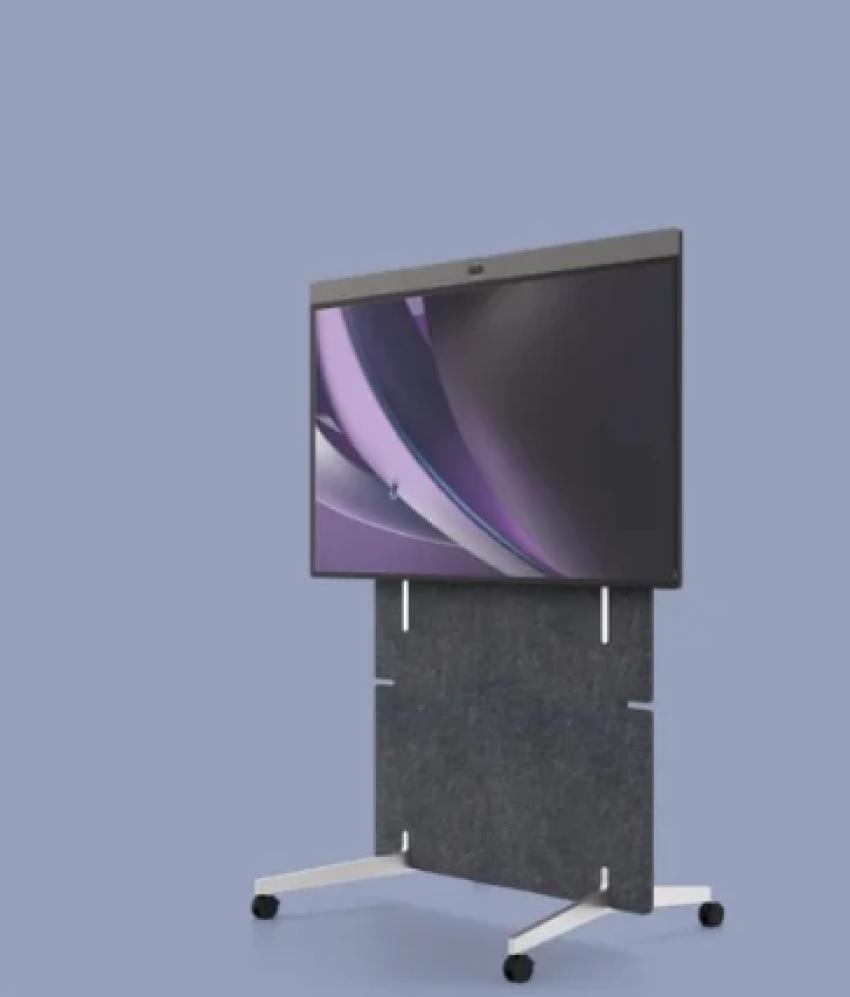
Modern workplaces are changing rapidly. As a result, businesses need meeting room technology that is simple, efficient, and reliable. Complex systems often create delays, technical issues, and user frustration. Therefore, organizations are now shifting toward streamlined meeting room solutions that improve collaboration without adding complexity.
The Growing Need for Simpler Meeting Experiences
Hybrid work has become a standard business practice. Consequently, teams collaborate from different locations every day. Traditional conference room setups often require multiple devices, cables, and software platforms. However, these systems can slow down meetings and reduce productivity.
Simple meeting room technology removes these barriers. Employees can join meetings quickly, share content instantly, and focus on discussions instead of troubleshooting equipment.
How Meeting Room Technology Has Evolved
Meeting rooms have undergone a significant transformation over the last decade. Previously, organizations relied on projectors, external speakers, and complicated control systems. Today, integrated solutions combine video, audio, and collaboration tools into a single platform.
This evolution delivers several benefits:
- Faster meeting startup times
- Reduced technical support requirements
- Better user experiences
- Improved collaboration across locations
- Easier system management
As technology advances, simplicity continues to drive innovation.
Key Features of Modern Meeting Room Solutions
One-Touch Meeting Access
Employees no longer want to navigate multiple applications before joining a meeting. Instead, modern systems provide one-touch access to scheduled calls.
This feature saves time and reduces interruptions. Moreover, it ensures meetings begin on schedule.
Integrated Audio and Video
Clear communication is essential for successful collaboration. Therefore, advanced meeting room solutions integrate high-quality cameras, microphones, and speakers into a single device.
This approach eliminates compatibility issues while delivering a cleaner room setup.
Wireless Content Sharing
Traditional cable connections often create unnecessary delays. In contrast, wireless sharing enables users to present content directly from laptops, tablets, or smartphones.
As a result, meetings become more dynamic and interactive.
Automatic Framing and Speaker Tracking
Artificial intelligence is improving meeting experiences. Modern systems can automatically frame participants and focus on active speakers.
Consequently, remote attendees enjoy a more engaging and natural experience.
Benefits of Simplicity in Meeting Room Technology
Increased Productivity
When technology works effortlessly, employees spend less time solving technical problems. Instead, they focus on decision-making and collaboration.
Therefore, overall productivity improves significantly.
Reduced Training Requirements
Complicated systems often require extensive user training. However, intuitive solutions allow employees to use meeting room technology with minimal instruction.
This advantage saves both time and resources.
Lower Maintenance Costs
Simplified systems typically include fewer components. As a result, there are fewer points of failure.
Organizations can therefore reduce maintenance expenses and minimize downtime.
Enhanced User Adoption
Employees are more likely to use technology that feels familiar and straightforward. Consequently, organizations achieve better returns on their technology investments.
The Role of Artificial Intelligence in Modern Meeting Rooms
Artificial intelligence is becoming a core feature of meeting room environments. It enhances communication while maintaining simplicity.
Popular AI-powered capabilities include:
- Automatic participant framing
- Noise suppression
- Voice enhancement
- Meeting transcription
- Smart camera adjustments
These features operate in the background. Therefore, users benefit from advanced technology without dealing with additional complexity.
Creating Inclusive Hybrid Meeting Experiences
Hybrid meetings can create communication gaps between in-room and remote participants. However, modern meeting room technology helps bridge these differences.
Advanced cameras provide better visibility. Meanwhile, intelligent microphones capture voices more accurately. As a result, every participant can contribute effectively.
This inclusive approach strengthens teamwork and improves engagement.
Important Factors When Choosing Meeting Room Technology
Organizations should evaluate several factors before selecting a solution:
- Ease of Use: User-friendly systems improve adoption rates and reduce support requests.
- Scalability: Technology should support future growth. Therefore, businesses should choose solutions that can adapt to changing requirements.
- Compatibility: Meeting room systems should work seamlessly with popular collaboration platforms and devices.
- Security: Data protection remains essential. Consequently, organizations should prioritize solutions with strong security features and regular updates.
Future Trends in Meeting Room Technology
The future of meeting room technology will focus on simplicity and intelligence. Businesses increasingly prefer solutions that require minimal user interaction.
Several trends are expected to grow:
- AI-powered meeting automation
- Enhanced remote collaboration tools
- Touchless meeting controls
- Smart room analytics
- Cloud-based management platforms
These innovations will continue improving workplace communication while reducing complexity.
Conclusion
The modern workplace demands efficient and intuitive collaboration tools. Therefore, simplicity has become one of the most valuable features in meeting room technology. Integrated audio, intelligent video, wireless sharing, and AI-powered capabilities are transforming how teams communicate.
As organizations embrace hybrid work, streamlined meeting room solutions will continue driving productivity, engagement, and business success. Ultimately, the future belongs to technology that works effortlessly, allowing people to focus on conversations rather than controls.