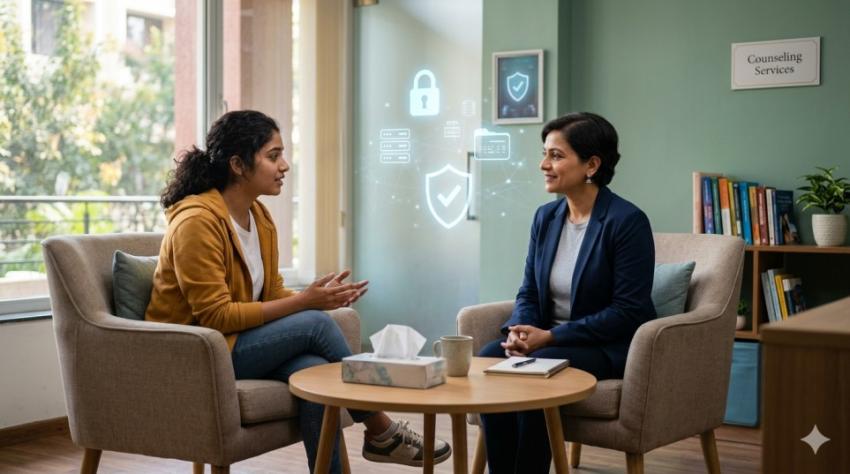
As college students face pressure from their studies, from planning their future careers and making friends with new people, and from the personal issues that come with being a young adult, mental health services have become more important than ever in supporting their needs. Universities, healthcare providers, and counseling organizations are providing greater access to both therapy and behavioral health services to meet the rising demand for mental health services among students on college campuses today.
The ongoing investigation into Mindpath College Health's data breach has highlighted the critical need to protect the privacy of sensitive patient information in the behavioral healthcare field. Every cybersecurity incident is unique; however, what is common to all such incidents is that they demonstrate how important it is for patients to trust their healthcare providers through the care they receive and the services provided to the patient under the confidentiality of the doctor-patient relationship.
When a student seeks mental health support, he or she will often discuss his or her most personal thoughts, feelings, and concerns with their therapist. Patients frequently share information during therapeutic sessions that they would not normally share with family and friends, professors, or employers. As such, confidentiality is considered one of the most fundamental principles of effective mental healthcare.
The Unique Nature of Mental Health Information
Mental health records are typically composed of a variety of highly confidential pieces of information about a person’s emotional state or feelings, as well as the services they have received in the past, including medical history and diagnoses, therapy sessions they have attended, and any healthcare services they require.
Based on the nature of the services provided by an organization, its mental health services division may have the following types of records:
- Contact Information
- Treatment History
- Therapy Network
- Clinical Assessment/Plan of Care
- Insurance Information
- Appointment history
- Coordinating Client Care
Due to the sensitive nature of these records, the need for strict privacy protection is especially critical in behavioral healthcare environments.
The Relationship Between Trust and The Decision to Seek Treatment
Many people have barriers to accessing mental health care. Stigma, privacy, and confidentiality can deter an individual from seeking mental health care when they need it the most.
When patients trust that their confidential information will be handled with the utmost responsible manner, they are more likely to:
- Seek Treatment
- Be open about their personal problems
- Discuss issues in therapy
- Follow Treatment Recommendations
- Maintain Long-Term Relationships with Healthcare Providers
Trust allows healthcare professionals to build strong therapeutic relationships that can positively influence patients treatment outcomes.
The Role of Technology in Modern Healthcare
The use of technology has changed how healthcare services are given to people. Telehealth platforms, electronic health records, patient portals, and online scheduling systems have made it easier for many people to use health services.
For example, college students can use these tools to access health services more easily, as many of them will have busy schedules while attending class.
However, the use of technology requires healthcare organizations to provide good information security practices and to continue to evaluate the security of how they store, access and manage sensitive information.
The first part of building these types of patient confidence is to have open and clear communication with patients regarding privacy policy, data handling practices and patient rights.
- Here are some examples of how to provide a level of transparency:
- Explain how information is used
- Provide privacy notices
- Provide secure means of communicating
- Educate patients on confidentiality protections
- Respond to patient inquiries quickly
Open and clear communication will help patients understand the ways the healthcare organization is protecting their information during the course of treatment.
The Future of Mental Health Care
The recent rise in patients' recognition that mental health care exists and that it is important has led to an increased demand for mental health services. In response to this need, healthcare providers are becoming increasingly aware of the importance of protecting patient privacy and managing their data responsibly.
As organizations implement new digital health care technologies, balancing accessibility, convenience, and privacy will continue to be a top priority. The current state of the discussion surrounding patient confidentiality reminds us all that trust is one of the most important aspects of any health care relationship.
To provide quality care and support individuals who want to access mental health care services, both students and providers need to continue to build trust with their communities in order to ensure their patients have a safe space in which to receive mental health care services.