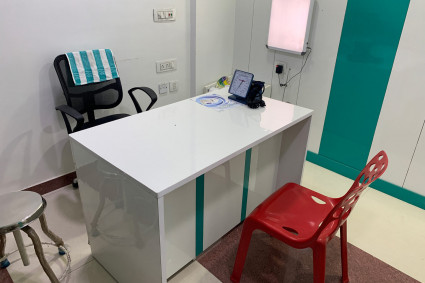
There have been a lot of changes in the healthcare sector within the last few years, but perhaps one of the most important ones is the introduction of teleconsultation services. Once seen as an additional service that can be helpful, it is now widely integrated into the daily routine of many patients who find themselves in need of medical consultations without leaving their homes. Teleconsultation services allow modern-day patients to communicate with medical professionals remotely by using various online means. They provide a number of benefits for patients due to their convenience and flexibility.
Making Healthcare Easier to Access
The convenience of telehealth is one of the biggest reasons telemedicine has become popular. Many individuals would have had to schedule a face-to-face visit with their doctor; however, the ease of arranging a video appointment with your provider means that you can receive care from wherever you are. Through telehealth services, individuals can manage their health by checking in on health conditions, finding answers to questions, obtaining guidance from their healthcare provider, and tracking the progress of their health condition without the hassle of making a trip to the doctor's office. This makes it easier for individuals to incorporate healthcare into their busy lives (especially working adults) as well as parents who are trying to juggle work, family, and all other aspects of life.
Promoting Early Medical Consultations
There are numerous instances when people tend to avoid consulting any medical professional since they feel that they are too preoccupied or they think that their symptoms are not serious enough to warrant a consultation. However, delayed medical consultations could result in unnecessary suffering. The tele consultation has made this aspect easier since having a discussion with a healthcare professional would prove to be easier for many patients. Not only would such discussions be beneficial for patients in terms of gaining some advice, but they would also help patients to feel better since they would be able to understand their condition much better.
Supporting Follow-Up Care
In a follow-up consult, it may not be necessary for the physician to perform a physical exam. In some cases, the goals of the follow-up consult include discussing how a patient is doing, reviewing symptoms, making changes to a treatment plan, and answering questions. Teleconsultations are a convenient option for these types of situations. Patients who are recovering from an illness or managing a chronic condition may appreciate having the option of their provider being able to connect with them through a teleconsultation as opposed to having to physically visit the clinic repeatedly. Providing the ability to connect via teleconsultation can help maintain continuity of care while reducing the inconvenience of travelling to and from the office. Thus, a doctor's teleconsultation can help facilitate ongoing communication between the patient and the physician.
Benefits for Families and Caregivers
Tele-consultations have proven beneficial for families, too. Parents responsible for looking after their kids often struggle to arrange appointments for minor illnesses. Similarly, caregivers responsible for their elderly parents also face similar difficulties. Virtual consultation allows families to easily overcome such issues through the easier process of accessing medical information. Even though not all problems can be addressed virtually, consultation can provide families with clarity as to whether there is a need for an appointment. This ease has become especially important for families dealing with various responsibilities.
Improving Healthcare Efficiency
Ways of using teleconsults to boost efficiency are also being explored by healthcare providers. Virtual visits improve clinics’ ability to manage patient flow, since appropriate cases can be seen virtually, reserving in-person appointments for patients needing physical exams or specialized care. This is a win-win for the patients and the providers.” Patients have timely access to advice, and clinics can focus resources where they are needed most. As healthcare systems continue to evolve, technology is enabling more flexible care models that balance convenience and quality medical support.
Understanding the Limitations
Although Telemedicine is great for many things, it doesn't work in all situations. Medical emergencies, serious symptoms, or conditions that need to be assessed physically will still require you to visit a doctor's office. It is important for patients to understand that telemedicine is just one option available to them for their care; it is not meant to replace all of their visits to the doctor's office. Once you have a better understanding of what occasions virtual visits would work, then you will be able to find the proper care for you.
What’s Next?
The increasing acceptance of teleconsultations demonstrates the changes in people’s attitudes toward accessibility. More and more patients tend to seek for ways that suit their lifestyle while still ensuring medical care. With continuous progress in the development of technologies, teleconsultations will stay among the main trends in healthcare in the near future. They provide higher flexibility, early consultations, and better accessibility to healthcare services. No matter if it is about follow-ups or just routine medical guidance, a tele consultation with a Doctor has proven its effectiveness and high efficiency. Traditional clinic appointments won’t lose their relevance, but, at the same time, teleconsultations demonstrate the convenience and effectiveness of healthcare delivery.