"Your kidneys aren't functioning well." For anyone sitting in a doctor's office hearing those words, it can feel like the ground shifts beneath them. Then come the medical terms — chronic kidney disease, kidney failure, GFR, dialysis — and the confusion compounds the fear.
If you or someone you love has recently been diagnosed, or if you're simply trying to understand what these terms mean, you're in the right place. As a nephrologist offering Chronic Kidney Disease Treatment, I see patients every week who arrive with the same question: "Is this kidney failure? Is it CKD? Are they the same thing?"
They're not. And understanding the difference could genuinely change how you approach your health from this point forward.
The Kidneys: More Than Just a Filter
Most people know the kidneys filter waste from the blood. But they do quite a bit more than that.
Your two kidneys — each roughly the size of your fist — also:
Regulate blood pressure by controlling fluid levels
Produce a hormone called erythropoietin, which tells your body to make red blood cells
Activate vitamin D to keep bones strong
Maintain the balance of electrolytes like sodium, potassium, and phosphorus
When the kidneys are damaged or struggling, all of these functions can be affected. That's why kidney disease often shows up in unexpected ways — fatigue, swollen ankles, high blood pressure, or even anemia — before people realize their kidneys are involved at all.
What Is Chronic Kidney Disease (CKD)?
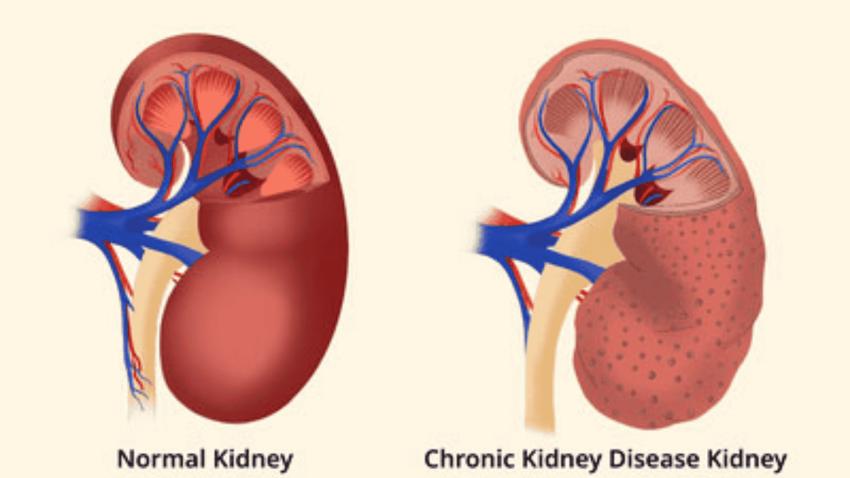
Chronic kidney disease is a long-term condition in which the kidneys gradually lose their ability to function properly. The word chronic is important here — it means this has been developing over months or years, not overnight.
CKD is classified into five stages based on something called the GFR (Glomerular Filtration Rate) — essentially a measure of how well your kidneys are filtering your blood. A healthy GFR is 90 or above. As kidney function declines, the GFR number drops.
The Five Stages of CKD at a Glance
Stage 1: GFR 90+ — Kidney damage present, but function is normal or near-normal
Stage 2: GFR 60–89 — Mildly reduced function
Stage 3: GFR 30–59 — Moderately reduced function; symptoms may begin
Stage 4: GFR 15–29 — Severely reduced function; preparing for kidney replacement therapy
Stage 5: GFR below 15 — Kidney failure; dialysis or transplant required
The critical thing to understand about CKD is that early stages are often silent. Many patients feel completely normal at Stage 1 or 2. This is why routine blood and urine tests matter so much — especially if you have diabetes or high blood pressure, the two most common causes of CKD.
What Is Kidney Failure?
Kidney failure — also called end-stage renal disease (ESRD) or end-stage kidney disease — is not a separate condition from CKD. It is, in fact, Stage 5 of CKD. It's the point at which the kidneys can no longer sustain life without medical intervention.
However, there is also a different type of kidney failure called acute kidney injury (AKI) — a sudden, rapid loss of kidney function that develops over hours or days. This is distinct from CKD and is often triggered by:
Severe dehydration
A serious infection or sepsis
Certain medications (particularly NSAIDs or some antibiotics)
A major surgery or trauma
Obstruction in the urinary tract
AKI can sometimes be reversed if caught and treated quickly. CKD, by contrast, is not reversible — but it can be slowed significantly with the right management.
CKD vs Kidney Failure: The Core Differences
Chronic Kidney Disease (CKD)
Kidney Failure
Onset
Gradual, over months to years
CKD Stage 5: gradual; AKI: sudden
Reversibility
Not reversible, but manageable
AKI may reverse; ESRD is permanent
Symptoms early on
Often none
Significant and serious
Treatment goal
Slow progression, protect function
Dialysis or a kidney transplant
Urgency
Managed long-term
Requires immediate intervention
Practical Steps Every Patient Can Take Today
You don't have to wait for a doctor's appointment to start protecting your kidneys. These steps are evidence-backed and accessible:
Stay well hydrated — aim for 2–3 litres of water daily unless your doctor advises otherwise
Get your blood pressure and blood sugar checked regularly
Ask for a kidney function test (serum creatinine and urine albumin) at your next health check
Avoid self-medicating with painkillers for extended periods
Eat a balanced diet — less processed food, less salt, more vegetables
Don't ignore swelling, fatigue, or changes in urination patterns
Protecting Your Kidneys Today Can Change Your Future
Kidney disease often progresses quietly, but timely action can make a major difference. Understanding the difference between chronic kidney disease and kidney failure helps patients recognize symptoms earlier and seek the right medical support before complications become severe.
With proper monitoring, healthy lifestyle choices, and expert medical guidance, many patients can continue living active and fulfilling lives even after a kidney disease diagnosis. If you or a loved one is experiencing warning signs or searching for trusted Chronic Kidney Disease Treatment in Mumbai, consulting an experienced Kidney Specialist like Dr. Chandan Chaudhari can help you take the next step toward better kidney health and long-term well-being.