Panic attacks can feel sudden, intense, and overwhelming because many people do not fully understand what is happening. Many women experience these episodes but often hesitate to talk about them. The fear, discomfort, and confusion can create obstacles that affect daily routines. Learning about the signs may help you respond more calmly and regain a sense of control.
Understanding Panic Attacks
People must first understand what a panic attack actually involves before identifying panic attack symptoms. A panic attack causes a sudden wave of intense fear that usually reaches its peak within minutes. These episodes may appear without a clear reason, which can make the experience even more frightening, especially during the first episode. Emotional stress, hormonal changes, and life pressure can trigger panic attacks in many women. Identifying these patterns may help improve panic attack treatment and management.
6 Woman Panic Attack Symptoms You Should Not Ignore
1. Rapid Heartbeat and Chest Discomfort
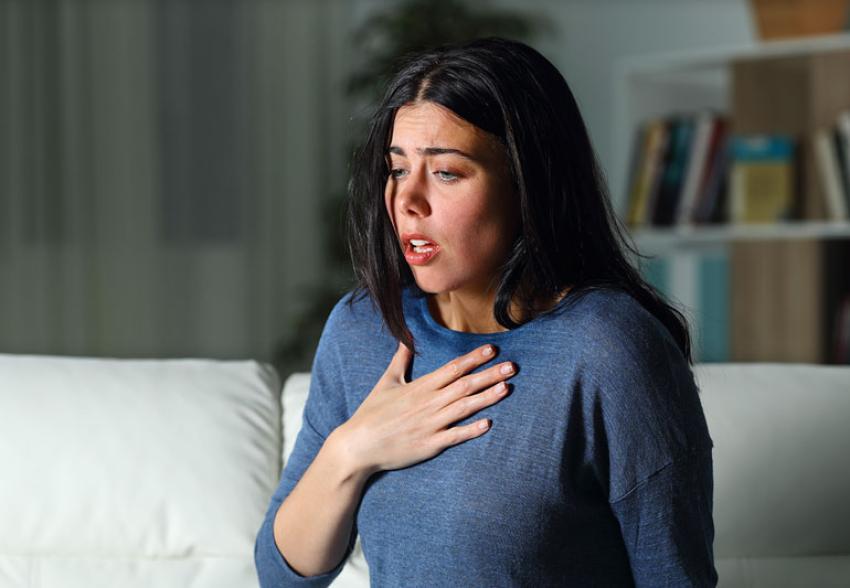
One of the most common symptoms women experience during panic attacks is a racing heartbeat and chest tightness. These symptoms often feel alarming and may create fear of a serious health emergency.
2. Shortness of Breath
You may feel like you cannot breathe properly or are choking. This symptom can make the panic attack feel even more intense and frightening.
3. Sudden Sweating and Trembling
People may experience uncontrolled sweating or shaking, even when there is no real danger. The body reacts as if it is facing a threat despite being safe.
4. Dizziness or Lightheadedness
Many women report feeling faint, dizzy, or unsteady during panic attacks. These sensations can make it difficult to stay calm in the moment.
5. Feelings of Loss of Control
A strong fear of losing control or feeling like something terrible is about to happen can become overwhelming during a panic attack.
6. Numbness or Tingling
Some individuals may experience tingling sensations in their hands or feet. This is often the body’s response to stress and anxiety.
How to Control Panic Attack
Learning to manage panic attacks is important for regaining control. It takes time and practice, but simple techniques may help reduce the intensity and duration of an episode. Start with deep breathing — inhale slowly, hold your breath for a few seconds, and exhale gently. This may help calm the nervous system. Looking around and naming things you can see or hear may also help you feel more connected to the present moment. Most importantly, remind yourself that the feeling will pass. A panic attack can feel frightening, but it is temporary. With regular practice, these coping methods may help make daily life feel more manageable.
Promising Sophisticated Panic Attack Treatment
There are several approaches to panic attack treatment depending on the severity and frequency of episodes. Cognitive behavioral therapy (CBT) is commonly used to identify triggers and change negative thought patterns. Doctors may also recommend medication in severe cases. Healthy lifestyle habits such as regular exercise, proper sleep, and stress management techniques may also support recovery. Professional guidance can help you receive care that matches your specific needs.
When to Seek Help
You should seek professional help if panic attacks become more frequent or begin affecting your daily life. Ignoring them may increase anxiety levels and make future episodes more severe. Mental health professionals can help you identify triggers and develop healthier coping strategies. Early support may prevent the condition from becoming more serious.
Conclusion
Panic attacks can be managed with proper awareness, support, and care. Identifying the symptoms early may help you respond better and reduce their impact on daily life. With the right treatment, lifestyle changes, and professional guidance, many people are able to regain confidence and improve their overall well-being.
FAQs
1. Is Panic Attack Normal?
Panic attacks are more common than many people realize. They may happen during periods of emotional stress or pressure. While occasional panic attacks may not always indicate a serious condition, frequent episodes should not be ignored. Proper support and therapy may help reduce their impact on daily life.
2. How Does A Panic Attack Feel?
A panic attack may create sudden fear that affects both the mind and body. Symptoms can include a rapid heartbeat, breathing difficulty, dizziness, sweating, and a feeling of losing control. The experience may feel overwhelming, but the symptoms usually pass within a short period.
3. Can Panic Attacks Start At Any Age?
Panic attacks can begin at almost any age, including adolescence and adulthood. Stressful situations, major life changes, and anxiety-related conditions may increase the chances of experiencing them. Early support and proper management may help reduce their frequency and severity.