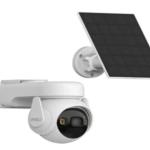
Night vision technology has become one of the most important features in modern security cameras. Whether for homes, offices, shops, or warehouses, the ability to monitor surroundings clearly in low-light conditions can significantly improve security and surveillance effectiveness.
Today, security camera buyers often face a common question: should they choose color night vision or infrared night vision cameras? Both technologies are designed to improve visibility during darkness, but they operate differently and offer unique advantages depending on the environment and security requirements.
In this article, we will explore the differences between color night vision and infrared night vision, compare their strengths and weaknesses, and help you decide which option is best for your security setup.
Understanding Night Vision Technology
Night vision allows security cameras to capture video footage in dark or low-light environments. Without night vision capabilities, cameras would struggle to record clear images after sunset or in poorly lit areas.
Traditional security cameras relied heavily on infrared technology for nighttime surveillance. However, advancements in imaging sensors and lighting systems have introduced color night vision cameras that provide more detailed and realistic footage during nighttime conditions.
Choosing between these technologies depends on factors such as lighting conditions, surveillance goals, installation location, and budget.
What Is Infrared Night Vision?
Infrared night vision uses infrared LEDs to illuminate dark areas invisibly. The camera sensor detects infrared light and produces black-and-white footage during nighttime recording.
Infrared cameras are widely used because they work effectively even in complete darkness. Since infrared light is invisible to the human eye, these cameras can monitor areas discreetly without drawing attention.
Infrared night vision is commonly found in:
Home surveillance systems
Office security cameras
Warehouses
Parking lots
Retail stores
Outdoor monitoring systems
Most traditional CCTV cameras use infrared technology because it is reliable and cost-effective.
Advantages of Infrared Night Vision
Infrared night vision offers several important benefits for security monitoring.
Works in Complete Darkness
One of the biggest advantages of infrared cameras is their ability to function in zero-light environments. Even if there are no streetlights or nearby lighting sources, infrared cameras can still capture visible footage.
Affordable Security Option
Infrared cameras are generally more affordable than advanced color night vision systems. Many buyers comparing night vision camera price in Pakistan often find infrared models to be budget-friendly while still offering reliable nighttime monitoring.
Lower Power Consumption
Infrared LEDs usually consume less power than bright white spotlights used in some color night vision systems. This makes them suitable for long-term surveillance setups.
Discreet Monitoring
Because infrared light is invisible, these cameras can monitor areas without attracting attention. This is useful for businesses and properties that require subtle security coverage.
Limitations of Infrared Night Vision
Although infrared technology is effective, it does have some drawbacks.
Black-and-White Footage
Infrared cameras usually produce monochrome footage at night. While the image may still be clear, the absence of color can make it harder to identify details such as clothing color, vehicle paint, or object appearance.
Reflection Issues
Infrared cameras may experience glare or reflection problems when pointed at glass surfaces or reflective objects. This can sometimes reduce image clarity.
Limited Identification Accuracy
In certain situations, black-and-white footage may not provide enough detail for accurate identification during investigations.
What Is Color Night Vision?
Color night vision uses advanced image sensors, larger apertures, low-light technology, and built-in white lights to capture colored footage during nighttime conditions.
Unlike infrared cameras, color night vision systems provide more realistic images by preserving color details even in low-light environments.
These cameras are becoming increasingly popular for residential and commercial security because they offer improved visibility and better evidence collection.
Advantages of Color Night Vision
Color night vision cameras provide several key benefits that make them attractive for modern surveillance systems.
Better Detail Recognition
Color footage makes it easier to identify people, vehicles, clothing, and objects. This can be extremely valuable during investigations or security incidents.
For example, identifying the color of a suspicious vehicle or a person's clothing can significantly improve evidence accuracy.
Enhanced Image Clarity
Modern color night vision cameras use advanced low-light sensors that often produce sharper and more detailed images than standard infrared systems.
Improved Security Awareness
Bright color footage can provide a more realistic view of the monitored area, helping homeowners and security personnel better understand nighttime activities.
Modern Smart Features
Many color night vision systems are integrated with smart technologies such as motion detection, AI alerts, mobile viewing, and cloud recording.
Some advanced wireless systems even combine color night vision with devices powered by solutions like the Standalone Smart Home Battery, allowing uninterrupted surveillance during power outages.
Limitations of Color Night Vision
Despite its advantages, color night vision also has a few limitations.
Requires Some Ambient Light
Most color night vision cameras perform best when there is at least minimal lighting available, such as streetlights, porch lights, or built-in LED illumination.
In completely dark environments, performance may decrease unless the camera includes strong spotlight features.
Higher Cost
Color night vision cameras are usually more expensive than standard infrared cameras because of their advanced imaging technology.
Buyers researching wifi camera price options may notice that cameras with advanced color night vision features often cost more than basic infrared models.
Increased Power Usage
Cameras using spotlights or advanced lighting systems may consume more power compared to traditional infrared cameras.
Which Technology Is Better for Homes?
For residential security, both technologies can be effective depending on the installation area.
Infrared cameras are ideal for:
Backyards
Storage areas
Dark alleys
Garages
Low-light outdoor spaces
Color night vision cameras are better for:
Front entrances
Driveways
Main gates
Areas requiring facial recognition
High-traffic residential zones
Many homeowners now combine both technologies for complete security coverage.
Which Technology Is Better for Businesses?
Businesses often benefit more from color night vision because detailed footage is important for identifying customers, employees, vehicles, and incidents.
Retail stores, offices, hotels, and commercial buildings typically prefer color footage for improved evidence collection and monitoring accuracy.
However, warehouses and industrial areas with very low lighting may still rely heavily on infrared surveillance systems.
Wireless Security and Smart Monitoring
Modern security systems increasingly support wireless connectivity and remote monitoring features.
Smart cameras now allow users to:
View live footage remotely
Receive motion alerts
Store recordings in the cloud
Control cameras through mobile apps
Access AI-powered detection features
Wireless solutions are especially popular among homeowners seeking flexible installation without extensive cabling.
As technology advances, many modern cameras now combine infrared and color night vision into hybrid systems that automatically switch depending on environmental lighting.
Factors to Consider Before Buying
Before choosing a night vision camera, it is important to evaluate your specific security needs.
Consider factors such as:
Lighting conditions
Indoor or outdoor use
Required image detail
Budget
Power availability
Storage options
Remote viewing features
A properly selected camera system can significantly improve long-term security performance and reliability.