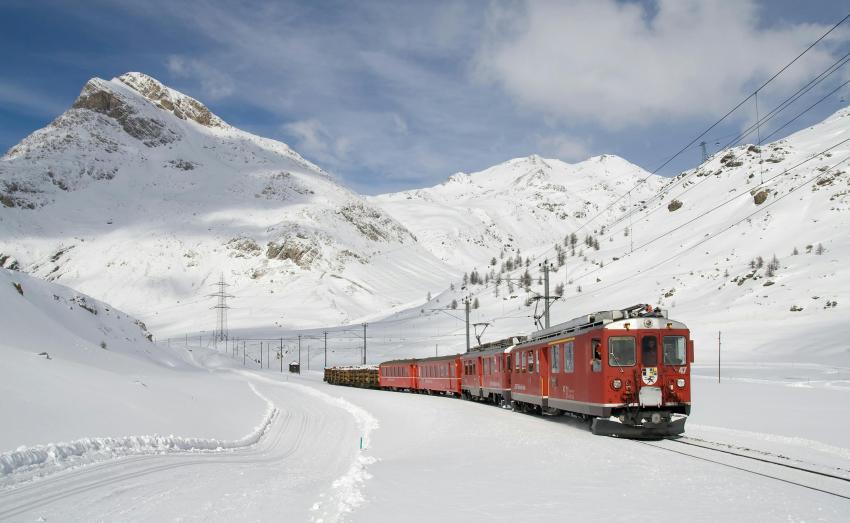
Go north, and suddenly daylight itself becomes a factor you have to plan around. For travellers coming from India, the real question isn’t just where to go, it’s how to deal with a season that doesn’t always cooperate. That’s where the Europe Winter Tour Packages start making sense. Not for comfort, but because winter logistics can get messy if you try to wing it. Operators like Travel Junky usually build routes around weather patterns, transport reliability, and what actually stays open. That sounds basic, but in winter, it’s the difference between a smooth trip and long delays.
How Europe Splits in Winter
You can’t treat Europe as one winter destination. It behaves differently across regions.
Alpine Belt (Switzerland, Austria, France)
This is the most predictable winter setup. Places like Zermatt, Innsbruck, and Chamonix are used to heavy snow. Trains run, lifts work, and roads are cleared fast. Zermatt is car-free, so you park at Täsch and take the shuttle train in. It’s efficient, even in bad weather. Chamonix has serious terrain. Vallée Blanche looks tempting, but it’s not a casual ski run. You need a guide. People underestimate that.
Central Europe (Germany, the Czech Republic, and Hungary)
Cities like Prague and Munich don’t stay buried under snow the whole time. You’ll get cold weather, maybe snow, maybe slush. It varies week to week. The upside is flexibility. You’re not locked into snow activities. Trains are reliable here, and delays usually don’t spiral into full-day disruptions.
Nordic Region (Norway, Finland, Iceland)
This is a different environment altogether. In places like Tromsø or Rovaniemi, daylight drops to just a few hours. Your day is built around that, whether you like it or not. Northern Lights trips run mostly at night, obviously, but weather plays a big role. Some nights you see nothing. That’s normal, not a failure of planning.
Snow Destinations That Actually Work
When picking Europe snow destinations, it’s worth thinking beyond photos. Access matters more than people expect.
Interlaken, Switzerland
Not a destination by itself, more like a base. From here, you can reach Jungfraujoch even in peak winter. Trains run unless conditions are extreme.Hallstatt, Austria
Small, quiet, sometimes icy. Roads can get tricky, but ferries usually keep running across the lake.Salzburg, Austria
A practical mix. You get a proper city plus access to nearby snow areas. The Untersberg cable car operates most days, weather permitting.Tromsø, Norway
Built for Arctic travel. Whale watching trips run, but cancellations happen often due to sea conditions. You need buffer time here.
Timing Your Trip Properly
Winter months aren’t interchangeable.
December
Good for markets and atmosphere. Snow is hit or miss outside the Alps.January
Coldest month. If you want proper snow coverage, this is your safest bet.February
Slightly easier conditions. More daylight, still plenty of snow.
For most travellers planning winter travel in Europe, February tends to be more balanced. December looks better on paper than it performs on the ground.
What Packages Usually Cover
Most Europe tour packages in winter aren’t packed with activities. They focus on getting you from place to place without trouble.
Intercity transfers (train or coach)
Hotels near stations or town centres
Pre-booked mountain excursions like Jungfraujoch
Optional snow activities, not always included
They don’t remove weather risks. They just make them easier to handle.
Highlights You’ll Actually Notice
Scenic train routes like the Glacier Express
Cable cars to snow viewpoints
Frozen lakes in controlled zones
Christmas markets in Central Europe
Northern Lights tours in Arctic regions
Ground Reality Check
Packing is where many people go wrong. Regular winter wear from India isn’t enough for sub-zero temperatures. You’ll need proper thermals, insulated jackets, and waterproof shoes. Not optional. Transport is mostly reliable, but delays do happen. Western Europe handles snow better than remote northern areas. Flights to smaller airports can get cancelled without much notice. Many international packages quietly include buffer time. Independent plans often don’t, and that’s where trips start falling apart.
Pro Tip
If you’re covering multiple regions, start with the Alps. If something gets delayed, you still have room to adjust. Doing it the other way around can compress your schedule at the worst time.
Closing Note
Winter travel in Europe isn’t always smooth. Some days work perfectly, others don’t. That’s part of it. The real advantage of Europe Winter Tour Packages is structure. When routes, timing, and access are handled properly, the trip becomes far more manageable, even when the weather isn’t.