For millions of workers around the world, bad weather is not an excuse to pause the job. Construction crews, delivery personnel, road workers, utility technicians, farmers, warehouse staff, and outdoor maintenance teams often work through heavy rain, wind, and harsh environmental conditions. In these situations, proper rain protection clothing is not just about comfort—it is essential for safety, productivity, and long-term health.
Modern rain protection workwear is specifically designed to handle demanding job environments while keeping workers dry, visible, and mobile. Unlike regular rain jackets used for casual wear, workwear rain gear must withstand physical stress, rough surfaces, repeated use, and challenging weather conditions without compromising performance.
Why Rain Protection Clothing Matters in Work Environments
Working in wet conditions can create serious challenges and risks. Rain exposure not only causes discomfort but can also reduce concentration, limit mobility, and increase the chances of workplace accidents.
1. Improved Worker Safety
Wet clothing and slippery conditions can increase the risk of falls, fatigue, and cold-related illnesses. Waterproof workwear helps workers maintain body temperature and avoid distractions caused by soaked clothing.
For industries like construction, transportation, and utility maintenance, staying dry directly contributes to safer working conditions.
2. Increased Productivity
Workers who remain dry and comfortable are able to focus better and maintain higher productivity levels throughout the day. Constant exposure to rain can slow movement, reduce morale, and create physical discomfort that impacts performance.
High-quality rain protection clothing allows employees to continue working efficiently even during poor weather.
3. Protection Against Harsh Weather
Rain is often accompanied by strong winds, cold temperatures, and low visibility. Specialized workwear rain gear provides protection against multiple environmental hazards at once.
Some garments also include insulation for colder climates or breathable designs for humid conditions.
4. Compliance with Workplace Safety Standards
Many industries require employers to provide appropriate protective clothing for workers exposed to outdoor weather conditions. High-visibility rainwear, flame-resistant waterproof gear, and insulated rain protection may be mandatory depending on the work environment.
Employers who invest in proper rain protection clothing often improve both worker safety and regulatory compliance.
Key Features to Look for in Rain Protection Workwear
Not all rain gear is suitable for demanding work environments. Choosing the right workwear requires understanding the features that provide durability, protection, and comfort.
Waterproof Materials
The primary purpose of rain protection clothing is to prevent water from penetrating the fabric.
Common Waterproof Materials
Quality workwear often uses durable waterproof fabrics such as:
- PVC-coated polyester
- Polyurethane-coated fabrics
- Nylon with waterproof membranes
- Rubberized materials
- Multi-layer laminated fabrics
These materials are designed to withstand continuous exposure to rain while remaining durable enough for physical labor.
Waterproof Ratings
Professional rain gear may include waterproof ratings that indicate performance levels under pressure.
- 5,000 mm: Suitable for light rain
- 10,000 mm: Good for moderate rain and work conditions
- 20,000 mm+: Designed for heavy rain and extreme outdoor environments
Workers exposed to prolonged rain should choose garments with higher waterproof ratings.
Seam Sealing Technology
Water can enter through stitched seams even if the fabric itself is waterproof. This is why seam sealing is critical in workwear rain gear.
Fully Taped Seams
High-quality rain protection clothing includes fully taped seams that prevent water leakage through stitching holes.
In industrial environments where workers spend hours in rain, fully sealed seams significantly improve protection.
Durability and Abrasion Resistance
Workwear rain gear experiences far more wear and tear than casual outdoor clothing. Construction sites, roadwork, warehouses, and farms expose garments to rough surfaces, sharp objects, and heavy movement.
Reinforced Construction
Look for features such as:
- Ripstop fabric
- Reinforced knees and elbows
- Heavy-duty stitching
- Tear-resistant materials
Durable rain protection clothing lasts longer and reduces replacement costs over time.
Breathability for Comfort
While waterproofing keeps rain out, breathability allows sweat and body heat to escape.
Without proper ventilation, workers can quickly become overheated and uncomfortable, especially during physically demanding tasks.
Breathable Waterproof Fabrics
Modern rain gear may include breathable membranes that allow moisture vapor to exit while blocking water from entering.
Breathability is especially important for:
- Construction workers
- Delivery drivers
- Utility crews
- Agricultural laborers
- Outdoor maintenance staff
High-Visibility Features
Many outdoor jobs involve working near traffic, machinery, or low-light environments. Rain can reduce visibility significantly, increasing accident risks.
Reflective Safety Elements
High-visibility rainwear often includes:
- Reflective tape
- Fluorescent colors
- Bright safety panels
These features help workers remain visible in rain, fog, and low-light conditions.
Industries such as road construction and logistics often require ANSI-compliant or ISO-certified high-visibility rain gear.
Windproof Protection
Rainy conditions are frequently combined with strong winds. Windproof workwear helps maintain warmth and prevents cold air from penetrating the garment.
Wind-resistant outer shells are especially valuable in:
- Marine work
- Utility maintenance
- Transportation
- Agricultural work
- Winter construction
Combining waterproof and windproof protection ensures greater comfort in unpredictable weather.
Mobility and Flexibility
Workers need FR clothing that protects them without limiting movement.
Rain protection workwear should allow users to:
- Bend easily
- Lift objects
- Climb safely
- Operate machinery comfortably
Ergonomic Design Features
Modern workwear often includes:
- Articulated sleeves
- Adjustable cuffs
- Stretch panels
- Flexible fabrics
- Adjustable waist systems
Comfortable mobility improves both safety and efficiency on the job.
Hood Design
A poorly designed hood can obstruct vision and create discomfort during work.
Features of a Functional Workwear Hood
An effective hood should provide:
- Full head coverage
- Adjustable fit
- Helmet compatibility
- Stable positioning during wind
Some industrial rain jackets include detachable hoods for added flexibility.
Types of Rain Protection Clothing for Workwear
Different jobs require different forms of rain protection. Employers and workers should choose clothing based on the specific demands of the work environment.
Rain Jackets
Waterproof jackets are the most common type of rain protection workwear.
Best For:
- Construction
- Delivery services
- Utility work
- Transportation
- General outdoor labor
Features often include reflective tape, reinforced seams, and multiple pockets.
Rain Pants and Bib Overalls
Rain pants provide lower-body protection during heavy rain and muddy conditions.
Bib overalls offer additional chest protection and are popular among:
- Fishermen
- Farmers
- Industrial workers
- Road crews
These garments are ideal for prolonged outdoor exposure.
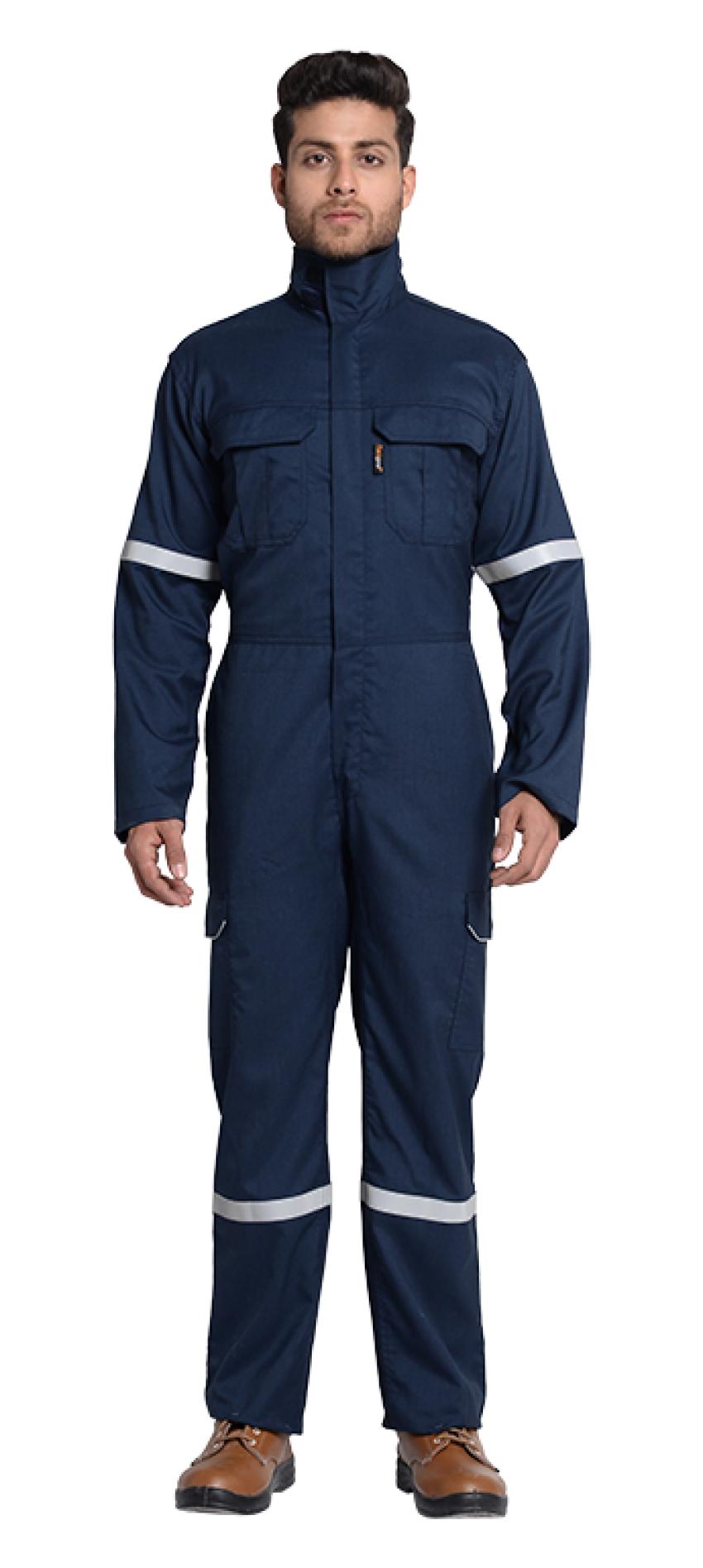
Waterproof Coveralls
Coveralls provide full-body protection in severe weather environments.
They are commonly used in:
- Oil and gas industries
- Marine operations
- Industrial maintenance
- Hazardous outdoor work
Coveralls reduce the risk of water entering through gaps between garments.
High-Visibility Rain Suits
Rain suits combine waterproofing and visibility for workers operating near roads or machinery.
They are essential for:
- Traffic control workers
- Emergency responders
- Railway maintenance crews
- Airport ground staff
Safety regulations often require reflective rainwear in these industries.
Waterproof Safety Footwear
Rain protection is incomplete without proper footwear.
Waterproof work boots help prevent:
- Slipping
- Foot injuries
- Cold exposure
- Water-related discomfort
Slip-resistant soles are especially important on wet surfaces.
Choosing the Right Rain Protection Clothing for Your Industry
Different industries have unique requirements for rain protection workwear.
Construction Industry
Construction workers need durable, high-visibility rain gear that withstands abrasion and movement.
Key priorities include:
- Reinforced fabrics
- Reflective safety features
- Mobility
- Waterproof durability
Transportation and Delivery
Drivers and delivery personnel benefit from lightweight, breathable rainwear that allows easy movement.
Packable rain jackets are especially useful for workers frequently entering and exiting vehicles.
Agriculture and Farming
Farm workers often face mud, heavy rain, and long outdoor hours.
Waterproof bib overalls and rubberized rain gear are common choices for agricultural environments.
Utility and Maintenance Services
Utility crews require weather-resistant clothing that protects against rain, wind, and electrical hazards.
Some jobs may require flame-resistant waterproof workwear for added protection.
Caring for Rain Protection Workwear
Proper maintenance helps preserve waterproof performance and extend garment lifespan.
Maintenance Tips
- Follow manufacturer washing instructions
- Avoid harsh detergents
- Reapply waterproof coatings when needed
- Air dry when possible
- Store garments in dry environments
Regular inspection for seam damage, tears, or worn coatings ensures continued protection.
The Future of Rain Protection Workwear
Modern workwear continues to evolve with new technologies and sustainable materials.
Emerging Innovations Include:
- Smart temperature-regulating fabrics
- Eco-friendly waterproof coatings
- Lightweight breathable membranes
- Improved reflective technologies
- Stretch waterproof materials
Manufacturers are increasingly focused on combining safety, comfort, sustainability, and durability in next-generation rain gear.
Final Thoughts
Rain protection clothing for workwear is an essential investment for both employers and workers. High-quality waterproof gear improves safety, comfort, productivity, and long-term job performance in challenging weather conditions.
The best rain protection workwear combines waterproof materials, seam sealing, breathability, durability, visibility, and mobility to meet the demands of physically demanding jobs. Choosing the right gear for your industry ensures workers remain protected, efficient, and comfortable throughout the workday.
As technology continues to improve, modern rain protection clothing is becoming lighter, stronger, more breathable, and more sustainable than ever before. Whether you work in construction, transportation, agriculture, utilities, or industrial maintenance, investing in reliable rain protection workwear is one of the smartest decisions for workplace safety and performance.