Businesses today experience relentless demands to create innovations while expanding their operations and providing uninterrupted digital experiences. Organizations continue to depend on their legacy systems which were built before current requirements came into existence. Organizations face mounting challenges to sustain their technological competitiveness because these systems prevent flexible operation and scalable growth and system connections.
Organizations that use legacy systems experience operational delays which lead to increased need for system upkeep and development of security weaknesses. Businesses lose their ability to compete with digital rivals when they stay dependent on their outdated systems. The Legacy System Modernization Approaches provide the necessary solution for this problem.
Organizations need to upgrade their legacy systems because technology requires them to change their operational processes. Organizations can achieve better operational results by using this solution which improves their operational efficiency and user experience and security defense and business growth opportunities. Modernization investments enable enterprises to build adaptive capabilities which help them handle market shifts while protecting their business operations from future threats.
Why Legacy Systems Need Modernization
The legacy systems that functioned as dependable systems now prevent organizations from pursuing innovative work. The systems were developed with programming languages and system architectures that have become obsolete and do not function with current-day technologies.
The typical difficulties that come with legacy systems include these problems:
The system uses outdated technology which restricts its ability to grow and deliver proper performance
The system requires extensive financial resources to maintain because its infrastructure marks older than its expected lifespan
The system lacks capacity to connect with current software and hardware solutions
The system presents heightened danger of security breaches which create new pathways for cyber attackers to exploit
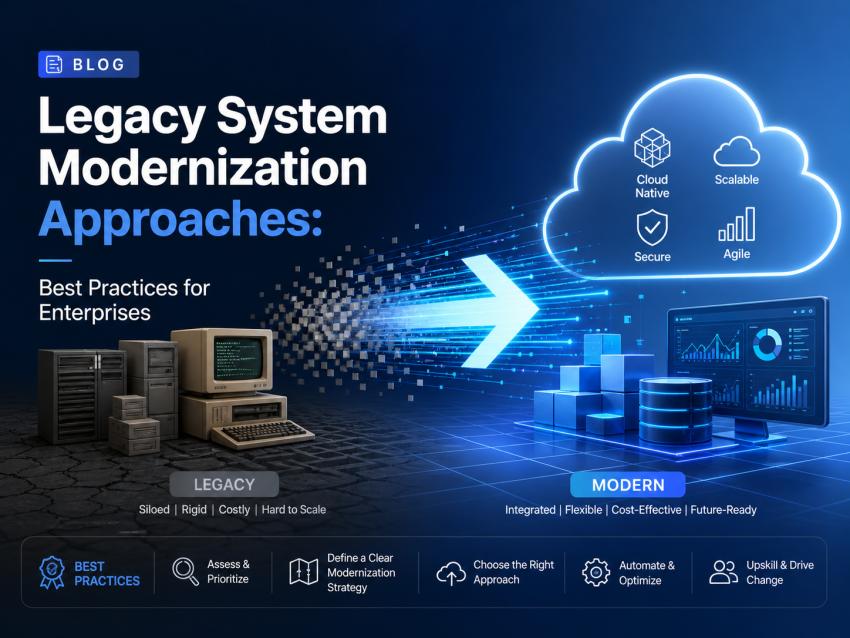
The limitations that organizations face result in major reductions of their ability to operate effectively while delivering worse experiences to their customers. Modernization helps organizations overcome these challenges by replacing outdated components with flexible and scalable solutions.
Key Modernization Strategies
Modernization requires businesses to select an appropriate method that matches their organizational objectives and financial resources and their technological needs.
Enterprises commonly use three main approaches which include:
Rehosting (Lift and Shift): Moving existing applications to the cloud without major changes
Refactoring: Existing code undergoes modification to achieve better performance and scalability
Rebuilding: The application builder creates a new system using current technological solutions
Replacing: Organizations implement a complete transition to different software or system solutions
Every method provides distinct benefits along with corresponding downsides. Rehosting provides organizations with an expedited and budget-friendly solution but rebuilding enables them to achieve more advantageous long-term results. The right choice depends on the organization’s priorities and future vision.
Importance of a Clear Roadmap
A successful modernization initiative begins with a well-structured plan. The Legacy System Modernization roadmap which has been designed with precise specifications will guide the organization through the complete process of its transformation.
The complete roadmap defines:
Assessment of existing systems and infrastructure
Identification of risks and dependencies
Selection of appropriate technologies
Step-by-step implementation strategy
A company can use its roadmap to reduce operational interruptions while they handle their resources and maintain alignment between their business goals and technical requirements. The system establishes a definite schedule which allows users to measure their advancement through specific achievement points.
Leveraging Modern Technologies
Modernization requires organizations to use advanced technologies for developing infrastructure that will meet future needs instead of focusing on system replacements alone.
The key technologies which drive modernization include the following components:
Cloud Computing: Enables scalability, flexibility, and cost optimization
Microservices Architecture: Breaks down applications into smaller, independent components
APIs: Facilitate seamless integration between different systems
Artificial Intelligence and Data Analytics: Provide actionable insights and automation.
The technologies enable businesses to create flexible systems which can modify their operations according to new requirements. The systems achieve better performance outcomes while experiencing fewer downtime incidents and delivering improved operational efficiency.
Benefits of Modernization
The process of modernizing legacy systems brings various benefits which extend beyond the realm of technical enhancements. The process directly improves both business development and operational productivity.
The main advantages of the system include:
The system achieves better performance through its ability to process information at higher speeds and maintain system stability.
The system protects against current cyber threats through its advanced security features.
The system provides an optimal user experience through its user-friendly interfaces which enable smooth user interactions.
The system achieves cost savings through its ability to decrease both maintenance costs and operating expenses.
The design of modern systems allows businesses to quickly adapt to changing market conditions and customer requirements through their scalable and flexible capabilities.
Choosing the Right Solutions
The correct Legacy System Modernization solution selection process serves as the most important factor determining your transformation journey success. Businesses must evaluate their options carefully to ensure long-term sustainability.
Important aspects which need evaluation include:
Scalability to support future growth
Compatibility with existing systems
Cost-effectiveness and ROI
Flexibility to adapt to new technologies
The appropriate solution must solve existing problems while creating a base for upcoming innovative developments.
Challenges in Modernization
Modernization brings multiple advantages which it delivers to organizations, yet this process creates particular difficulties. Organizations need to handle these challenges because they will lead to successful implementation of their planned changes.
The typical obstacles which organizations face include:
The process of moving data becomes difficult to manage because it creates risks for data loss.
The implementation process shows a danger of systems becoming unavailable.
The implementation requires organizations to spend large amounts of money and distribute their resources.
Workers show opposition to changes which they need to handle.
Organizations need to develop detailed plans which need them to employ expert staff members while they practice successful methods for transforming their operations.
Role of Modernization Companies
The complete process becomes simpler and risk levels decrease when organizations team up with established Legacy System Modernization service providers. The companies provide their clients three main benefits which include Expert knowledge about contemporary technologies and systems and Proven methods which help organizations update their systems.
The companies provide continuous support together with system upkeep services. The correct partnership enables your modernization initiative to achieve efficient execution together with the results you want to achieve.
Best Practices for Enterprises
The modernized practices of your organization will achieve their highest success rate when you implement established best practices. The key recommendations for your project include the following three elements.
The first step requires organizations to establish a unified operational strategy which directly supports their business objectives. Organizations should focus on their most vital systems because these systems deliver the greatest business value. T
he organization should implement its operations through a gradual process which will help to decrease potential dangers. The organization needs to maintain ongoing system performance evaluation together with performance improvement efforts throughout the entire operation.
The organization uses these methods to create a seamless transition process which enables them to achieve maximum return on investment while reducing operational interruptions.
Conclusion
Businesses must modernize their legacy systems because digital technology has become fundamental to business operations. All businesses must adopt modern technologies because outdated systems create obstacles which result in higher expenses and block their ability to develop new products.
Through proper implementation of modernization methods and establishment of a structured development plan and use of modern technological solutions, organizations can convert their old systems into advanced systems which will meet their present and future operational needs. The process of modernization creates opportunities for growth while it enhances productivity and establishes pathways to achieve sustainable success when organizations use proper planning and expert knowledge.