You wake up and already know the throbbing has started. One side of your head is pounding, light feels like a knife, and the nausea is creeping in. Sound familiar? If you live with migraines in the UK, you are far from alone. Around 10 million people in the UK are currently living with migraine, and over 190,000 migraine attacks happen every single day across the country. That is not a small problem that is a national health crisis hiding in plain sight.
What Is Osteopathy and Why Does It Matter for Migraines?
Osteopathy is a hands-on healthcare approach that looks at your whole body, not just the part that hurts. An Osteopath Ashford Kent is trained to assess the relationship between your muscles, joints, nerves, and circulatory system. The idea is simple: when your body is out of balance structurally, other systems suffer too. And migraines, it turns out, are often closely tied to that imbalance.
Think of it this way. If you spend eight hours hunched over a laptop every day, your neck and upper back muscles are working overtime. That tension does not just stay put — it travels. It restricts blood flow. It compresses nerves. And for someone with migraine tendencies, that physical tension can be exactly what lights the fuse.
How Does an Osteopath Actually Treat Migraines?
Releasing Neck and Shoulder Tension
One of the most common contributors to migraines is tension in the neck and upper back. Poor posture, long working hours, stress all of these cause muscles to tighten. That tightness reduces blood flow to the head and can irritate the nerves that feed into the scalp and skull.
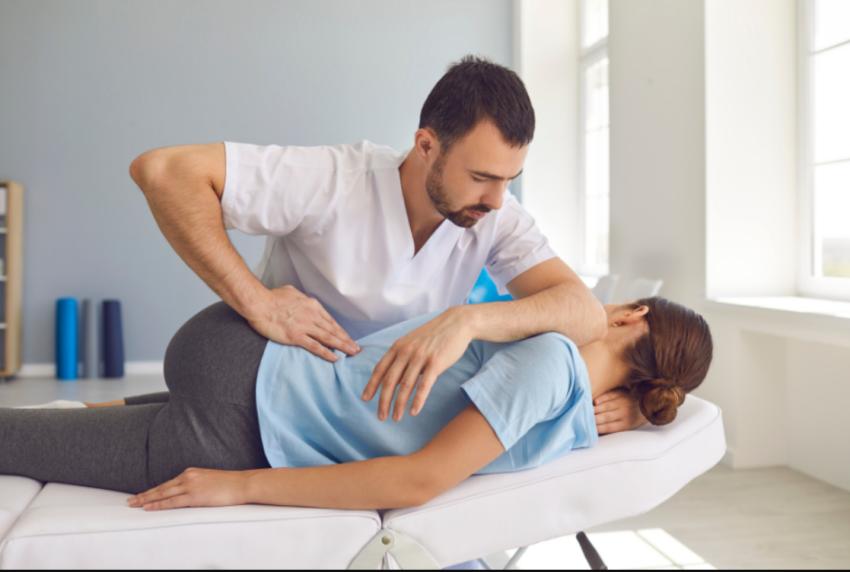
An osteopath uses soft tissue massage and targeted stretching to loosen those tight areas. Many patients feel a noticeable reduction in head pressure even during their first session. It is not magic, it is mechanics.
Cranial Osteopathy
Cranial osteopathy is a gentle, subtle technique that focuses on the head, base of the skull, and sacrum. It works by releasing tension around the cranial bones and the membranes that surround the brain and spinal cord. The goal is to restore a natural rhythm to the cerebrospinal fluid that surrounds these structures.
A 2024 review published in Cureus (PMC11377354) identified 15 studies confirming that osteopathic manipulative treatment, including cranial techniques, led to meaningful reductions in the frequency, intensity, and duration of both migraines and tension-type headaches. This kind of evidence matters; it tells us this is not just anecdotal.
Myofascial Release
Fascia is the connective tissue that wraps around all your muscles and organs. When fascia becomes tight or restricted often from stress, poor posture, or old injuries — it can pull on surrounding structures and trigger headaches.
Myofascial release involves applying sustained, gentle pressure to break apart those restrictions. For migraine sufferers, this technique can reduce the muscular triggers that set off an attack. Many patients describe it as feeling like a deep internal unwinding — a release they did not even know they needed.
Improving Blood Flow and Nerve Function
Restricted blood flow to the head is a well-recognised factor in migraine attacks. Osteopathic treatment directly targets the muscular and joint tightness that restricts this flow. By restoring proper circulation through the neck, jaw, and base of the skull, an osteopath can reduce the frequency of attacks over time. Nerve irritation caused by spinal misalignment also settles down once the structure supporting it is corrected.
A Real Case Worth Knowing About
One documented case involved a 16-year-old boy who had been suffering from a constant migraine for a full month. His GP had prescribed medication, but the pain was not resolving. When an osteopath assessed him, they found dysfunction in the sphenobasilar joint at the base of the skull, a joint responsible for maintaining pressure balance in the cranial system. The osteopath applied treatment to mobilise the joint and reduce cranial tension. By the second visit, the migraine had completely disappeared.
What to Expect at Your First Appointment
Walking into an osteopath's office for migraines might feel unfamiliar. Here is what usually happens. Your osteopath will take a full medical history and ask about your migraines in detail how often they occur, what seems to trigger them, how long they last, and what you have already tried. From there, they will carry out a physical assessment — checking your posture, spine, neck, jaw, and skull base. Treatment often begins in the same session. Most people find the experience deeply relaxing rather than uncomfortable.
Key Statistics That Put This in Perspective
The scale of migraine suffering in the UK is staggering. Migraine is the third most common condition in the world more common than diabetes, asthma, and epilepsy combined. It affects roughly 1 in 5 women and 1 in 15 men. In the UK alone, migraines cause an estimated 25 million lost working or school days every year.
Is Osteopathy Right for Everyone with Migraines?
Osteopathy is not a one-size-fits-all cure. Some migraines have deeper neurological causes that sit beyond the scope of manual therapy. A good osteopath will always be honest about this and if your case has features suggesting a neurological issue, they will refer you to a neurologist.
That said, for the vast majority of migraine sufferers, particularly those whose attacks are connected to neck tension, posture, stress, or structural imbalance, osteopathy can deliver real and lasting migraine relief. It is also safe for children, pregnant women, and people who have not responded well to medication. That makes it one of the most versatile treatment options currently available in the UK.
Conclusion
Migraines do not have to run your life. While medication has its place, it rarely addresses why your migraines are happening in the first place. Osteopathy does. By working on the physical structures that trigger and sustain migraine attacks the neck, the skull base, the fascia, the nervous system a skilled osteopath can offer the kind of migraine relief that actually lasts.