Advancements in Industrial Cooling Technology
Recent years have witnessed remarkable advancements in the field of industrial cooling, transforming how businesses manage temperature-sensitive operations. Modern industrial coolers now incorporate smart monitoring systems, improved performance capabilities, and significantly lower energy consumption. These innovations enable companies to maintain optimal operating conditions while reducing overall costs.
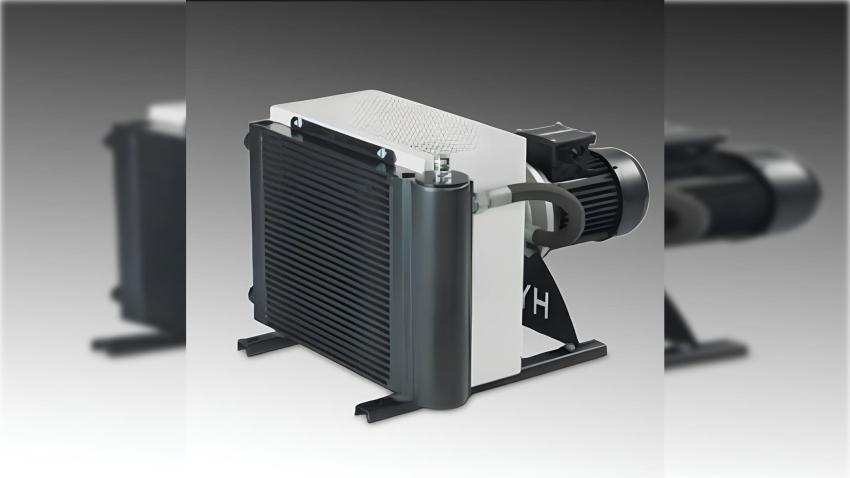
Many advanced cooling units can automatically adjust their settings based on real-time environmental data, ensuring consistent efficiency without requiring constant manual supervision. A compact industrial cooler today often features a front-mounted radiator with horizontal fins, connected tubing, and a cylindrical motor, all enclosed in a durable and streamlined casing designed for long-term reliability and ease of maintenance.
Applications Across Diverse Industries
Industrial coolers are widely used across a broad spectrum of industries, each with distinct cooling needs. In manufacturing, they are essential for maintaining stable temperatures, preventing machinery from overheating, and ensuring uninterrupted production processes. In the food and beverage industry, precise temperature control is crucial for preserving product freshness, maintaining quality, and meeting strict safety regulations.
Data centres also depend heavily on industrial cooling systems to keep servers and networking equipment operating within safe temperature ranges, preventing costly downtime and potential data loss. Warehouses rely on these systems to protect stored goods from heat damage, especially in regions with high temperatures.
Importance in Sensitive Sectors
The importance of industrial cooling extends to highly sensitive sectors such as pharmaceuticals and chemical processing. In these industries, even slight temperature fluctuations can lead to product degradation, financial losses, or serious safety hazards. Maintaining consistent and accurate temperature control is therefore critical. Industrial coolers provide the precision and dependability required to support these demanding environments, highlighting their role as a vital component in modern industrial infrastructure.
Sustainability and Environmental Impact
As environmental concerns continue to grow, sustainability has become a key focus in the development of industrial cooling solutions. Modern systems are designed with energy efficiency in mind, helping businesses reduce electricity consumption and operational costs. Additionally, the use of advanced, eco-friendly refrigerants minimizes the negative impact on the environment.
Evaporative cooling systems, in particular, are gaining popularity due to their lower energy requirements compared to conventional air conditioning systems. By adopting sustainable cooling technologies, companies can significantly reduce their carbon footprint while maintaining high levels of performance and reliability.
Investing in Reliable Cooling Solutions
Investing in reliable industrial cooling systems is essential for ensuring productivity, operational safety, and long-term efficiency. By carefully selecting the right system and performing regular maintenance, businesses can maximize performance and extend equipment lifespan. As technology continues to evolve, industrial coolers will remain at the forefront of innovation, helping industries adapt to changing demands and maintain peak performance in an increasingly competitive and environmentally conscious world.