Where's the Best Place to Drive in the UK? Uncovering Britain’s Most Scenic and Thrilling Routes
There are few places in the world like the UK, with its dramatic cliffs, picturesque hilltops, and quaint market towns. No matter what kind of car you are driving, from a vintage sports model to an ordinary hatchback, there is nothing quite like taking to Britain’s varied landscape. With winding roads that lead through the breathtaking mountains of Scotland and the charming villages of the Cotswolds, the problem isn’t whether or not you should take a drive; the question is where to begin. This article provides insight into the most scenic driving routes in England, Scotland, and Wales.
However, the most scenic trips usually start in an urban environment. For example, many people looking for some rest from Hertfordshire arrange a car service to transport them to the location where they can rent a car or catch a train. Reliable Taxis Hemel offers a convenient means of transport that helps local residents get ready to travel to the country without problems with finding a place to park their cars at the airport. There is one important lesson in regard to UK driving. The trip becomes enjoyable only when you are well prepared.
The North Coast 500: Scotland’s Answer to Route 66
The question of which is the best driving route to try in Britain, especially when put to drivers who have been doing it for some time, will mostly result in them answering the North Coast 500 (NC500). This 831-kilometer circuit starts and ends at Inverness Castle, making its way around the northern coast of Scotland's Highlands. The NC500 is known for single track roads with passing points, tough uphill climbs through Bealach na Bà, and scenic white sandy beaches reminiscent of the Caribbean but with cooler temperatures. Skilled driving techniques are required, dealing with tight corners and animals coming in the opposite direction. It offers a sense of solitude and nature that cannot be matched anywhere else. Some of the stops include Sandwood Bay, Smoo Cave, and the whisky trails of Sutherland.
The Lake District: Hardknott and Wrynose Passes
For those individuals seeking excitement and thrills instead of peace and quiet, the Hardknott Pass on the shores of the Lake District can be considered the hardest drive in England. It has a steep incline of one in three, which means that it is quite steep (about 33%), as well as a number of very tight and unfriendly corners. It would be advisable to attempt to drive through this ancient Roman route in a car that can handle a low ratio gear. From atop, there is an amazing view of Scafell mountains and the picturesque Eskdale Lake. In close proximity, there is another pass called Wrynose Pass, which is easier to navigate through. However, the roads are quite narrow, which requires extra caution from drivers because of cyclists and hikers who may be using the routes.
Snowdonia’s A4085: The Underrated Welsh Gem
Whereas all flock toward the A470 route through the national park of Snowdonia, it is the A4085 route from Penrhyndeudraeg to Beddgelert that is truly recommended. In this way, one can enjoy scenic views of the mountain range with no caravans obstructing the view at all times. This particular road is smooth in its texture, full of sweeping bends that enable the driver to have a very pleasant experience. You will travel through ancient woods, old stone bridges over crystal-clear rivers and even the Welsh Highland Railway. All of this creates an opportunity for a picturesque autumn photo shoot and a picnic at Lake Llyn Cwellyn.
The Atlantic Highway: Bude to Newquay
Further south, you will come across another spectacular driving route in the form of the Atlantic Highway (A39), located in North Cornwall and Devon. It starts at the cliffs of Bude and goes all the way to Newquay, famous for its surfing beaches. One of the most scenic parts of this road stretches from Port Isaac to Padstow, where the view includes both the seaside, which feels like it can be touched, and the moor on the other side of steep hedgerow-covered banks. Expect the weather conditions to change quickly here; sunny weather can be replaced by sea fog in just several minutes. Be sure to visit Tintagel Castle (said to be King Arthur’s home) and sand dunes of Perranporth.
In order to truly take advantage of all that a variety of landscapes has to offer, it becomes essential to have some logistical arrangements made in advance. For those living in or visiting Hertfordshire who wish to get to one of the regional airports to enjoy their fly-drive holidays, an efficient method to achieve this will be via Hemel Hempstead Airport Taxis, which provides them access to Luton, Heathrow, or Stansted without any hassle whatsoever. This would ensure that there would be no wasted effort going through traffic and they could begin their drive right away.
The Snake Pass: Peak District Thrills
Linking the cities of Manchester and Sheffield is the famous road known as Snake Pass (A57). The name “Snake Pass” owes its origin to the many snake-like twists this road winds through across the moors, where the altitude reaches as high as 1,680 feet above sea level. A driver’s road through and through, this road offers clear sightlines, steep hills, and a road surface to drive carefully on, particularly during winter months, when the road is closed because of snow cover. During spring and summer months, the purple heather blossoms contrast strikingly against the black edges of the gritstone. Pub stops like The Snake Pass Inn are great for taking a break midway and having some hearty food.
Causeway Coastal Route: Northern Ireland’s Masterpiece
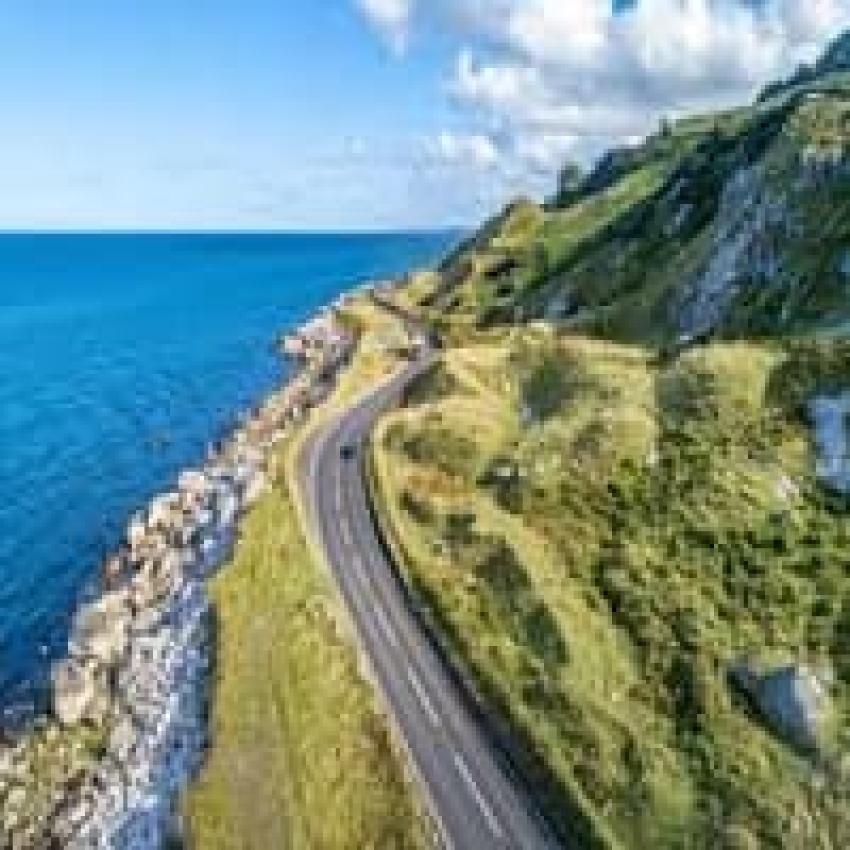
While it does not always make it to UK-wide lists of great drives, Northern Ireland’s Causeway Coastal Route between Belfast and Derry~Londonderry is an excellent driving adventure. Along the A2 road, a 130-mile journey brings one by the World Heritage site of Giant’s Causeway, Dunluce Castle ruins, and the Carrick-a-Rede Rope Bridge, which hangs above a sheer drop into the sea. The route itself features both wide, fast roads and narrower sections hugging the coastline, ensuring diversity. In contrast with other British roads, this one offers unpredictable weather, with storms hitting and crashing waves against giant basalt rocks—better seen through the windscreen in a rainstorm.
Essential Tips for UK Driving Holidays
Prior to departure, make sure that your car is ready for the tight roads. The satellite navigation with "caravan mode" function or locals' knowledge can be priceless in some cases. Make sure to take a map, since there will be no cellular network in the Highlands and Snowdonia. Obey the signs about passing places – they should not be used as parking spaces. Last but not least, always look out for closed roads – particularly from November to March. The best period to drive in Britain is May-June and September.
Conclusion: The Verdict on the Best Drive
Therefore, what is the best driving route in the UK? It depends on personal choice. If one seeks something adventurous, then Hardknott Pass offers it. If one is after coastal views, then the North Coast 500 is the way to go. If one desires a relaxing trip, then the A4085 in Snowdonia cannot be beaten. However, no matter which route one chooses, what matters most is being immersed in the moment. Every turn is a picture postcard. So load up the car and enjoy the journey!