When it comes to securing your home, one of the most common questions homeowners ask is: how many CCTV cameras are actually enough? Installing too few cameras can leave blind spots, while installing too many can increase costs without adding real value. Finding the right balance is essential for effective and affordable home security.
In this guide, we will explore how to determine the ideal number of CCTV cameras for your house based on size, layout, and security priorities. Whether you live in a small apartment or a large villa, understanding camera placement and coverage will help you build a reliable surveillance system.
Why the Number of Cameras Matters
A properly planned CCTV system ensures complete coverage of your property. The goal is not just to install cameras, but to eliminate blind spots and monitor key areas effectively. Every home has unique security needs, which is why there is no one-size-fits-all answer.
The number of cameras depends on multiple factors such as entry points, outdoor space, and indoor layout. A strategic approach ensures that every important area is covered without unnecessary duplication.
Key Areas That Must Be Covered
Before deciding the number of cameras, you should identify critical areas in your home. These include:
1. Main Entrance
The front door is the most important location for surveillance. A camera here helps monitor visitors, deliveries, and any suspicious activity.
2. Back Door or Secondary Entry Points
Burglars often target less visible entry points. Installing cameras at back doors or side entrances is essential.
3. Garage or Parking Area
If your home has a garage or driveway, it should be monitored to protect vehicles and prevent unauthorized access.
4. Living Room or Main Indoor Area
Indoor cameras help you monitor daily activities, especially when you are away. Devices like Imou Bulb Cam 3MP Night Vision wifi indoor security camera are ideal for such spaces due to their wide-angle coverage.
5. Backyard or Garden
Outdoor areas can be vulnerable, especially at night. A night vision camera ensures visibility even in low-light conditions.
Camera Requirements Based on House Size
The size of your home plays a major role in determining how many cameras you need.
Small Houses or Apartments
For smaller homes, typically 2 to 4 cameras are enough. A basic setup may include:
One camera at the main entrance
One for indoor monitoring
One for the back or balcony area
Compact solutions like Imou Bulb Cam 3MP Night Vision wifi indoor security camera work well in apartments because they are easy to install and provide sufficient coverage.
Medium-Sized Houses
A medium-sized home usually requires 4 to 8 cameras. This setup may include:
Front door camera
Back door camera
Garage or driveway camera
1–2 indoor cameras
Backyard monitoring
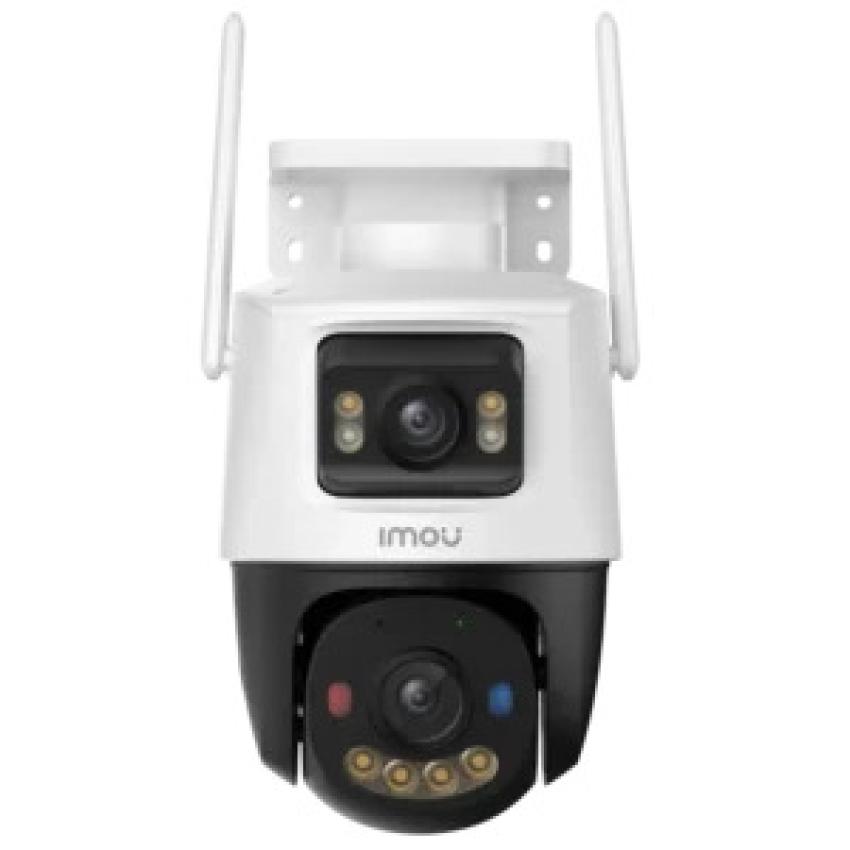
For outdoor coverage, a high-performance device like Imou Crusier Dual 10MP Night Vision Wifi CCTV Camera can cover larger areas effectively.
Large Houses or Villas
Large homes may need 8 to 16 cameras or more depending on layout. Coverage typically includes:
Multiple entry points
Full perimeter surveillance
Indoor monitoring for multiple rooms
Garage, garden, and rooftop areas
In such cases, combining indoor and outdoor cameras ensures maximum protection.
Factors That Influence Camera Count
1. Number of Entry Points
Every door and accessible window increases the need for additional cameras. More entry points mean more surveillance coverage is required.
2. Outdoor Space
Homes with large outdoor areas require more cameras to monitor gardens, driveways, and boundary walls.
3. Lighting Conditions
Low-light environments require cameras with night vision capabilities. Installing a night vision camera ensures 24/7 monitoring regardless of lighting.
4. Security Level Required
If you live in a high-risk area or want advanced monitoring, you may need additional cameras for enhanced coverage.
5. Camera Type and Field of View
Wide-angle cameras can cover more area, reducing the total number of devices needed. High-resolution options like Imou Crusier Dual 10MP Night Vision Wifi CCTV Camera can monitor larger spaces with fewer units.
Indoor vs Outdoor Camera Balance
A common mistake homeowners make is focusing only on outdoor cameras. While outdoor surveillance is important, indoor cameras provide an extra layer of security.
Indoor cameras help you:
Monitor family members and pets
Detect unusual activity inside the house
Keep an eye on valuables
Outdoor cameras, on the other hand, act as the first line of defense. A balanced combination of both ensures complete protection.
Avoiding Common Mistakes
Overlapping Coverage
Installing too many cameras in the same area can lead to unnecessary costs. Plan placement carefully to avoid overlap.
Ignoring Blind Spots
Failing to cover hidden areas can compromise your security. Walk around your home and identify locations that need monitoring.
Poor Placement Height
Cameras installed too high or too low may not capture useful footage. Position them at an optimal height for clear visibility.
Not Considering Night Vision
Security does not stop at sunset. Using a night vision camera ensures continuous protection during nighttime.
Smart Planning Tips
Start with essential areas and expand gradually
Choose cameras with wide-angle lenses to reduce quantity
Use indoor cameras like Imou Bulb Cam 3MP Night Vision wifi indoor security camera for flexible monitoring
Install advanced outdoor cameras such as Imou Crusier Dual 10MP Night Vision Wifi CCTV Camera for larger coverage
Test camera angles before final installation
Future-Proofing Your Security System
As your needs grow, your security system should be able to expand. Choose cameras that are easy to integrate with additional devices. Wireless and WiFi-enabled cameras make it easier to upgrade your system without complex wiring.
Modern CCTV systems also offer features like mobile access, motion detection, and real-time alerts. These features enhance security without requiring additional cameras.