Wide Load, Tight Squeeze: How American Cars Handle the UK‘s Narrow Roads: A Complete Guide
Meta Description: “Considering moving your American car to the UK? Learn how the UK’s notoriously tight roads compare to American highways, the reality of driving in the UK, and why size does matter in a place like Hemel Hempstead.”
The charm of driving through the British countryside is hard to resist—rolling stone walls, narrow roads, and quaint villages that seem to have leapt straight from a fairy tale. But for those used to the broad avenues and expansive highways of the US, this charming tableau can rapidly become a nightmare of logistics. The contrast between the US and the UK in terms of infrastructure is extreme, and this presents a special challenge for those driving larger American cars. A sport utility vehicle or pickup truck made in America is a badge of freedom and functionality in the US, but on British roads, it is like a cruise liner trying to make its way through a canal. For the uninitiated and the visitor struggling to find their footing, an understanding of local logistics is essential, and sometimes the simplest way to avoid the frustration of navigating these narrow streets is to call on the expertise of a service such as Cabs In Hemel to transport you around town while you find your feet in the British way of life .
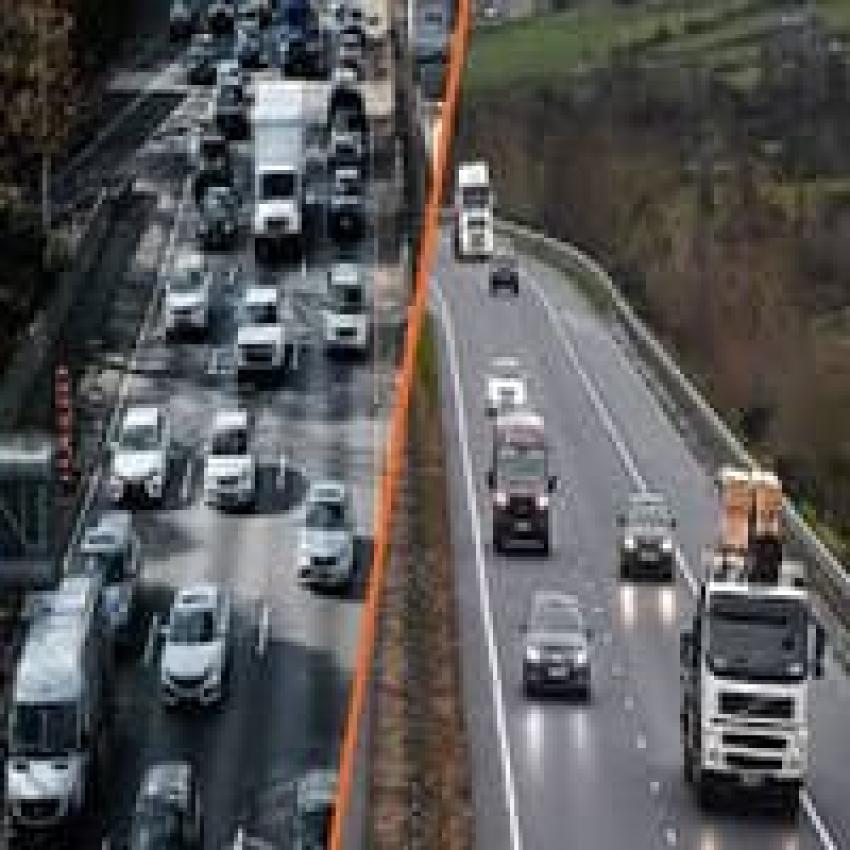
The heart of the problem is rooted in the inherent geometry of the roads themselves. In the United States, the typical road width averages around a generous 38 feet. Meanwhile, British residential and rural roads can be as small as 18 feet wide, which is less than half the width . This is no coincidence; it is a product of history. Many roads in the UK were originally built as routes for horse-drawn carriages, well before the invention of the internal combustion engine, and were simply paved over as the years passed . They twist through ancient property lines, with no room to grow.
The Numbers Game: Vehicle Size Comparison
To grasp the “terrifying” experience that American expats so often relate, it is necessary to examine the metal. The best-selling cars in each country reveal the truth. In the UK, the most popular cars are small, such as the Vauxhall Corsa, which is about 5.7 feet wide . Such cars are designed for the roads on which they operate: agile, easy to park, and able to fit into small spaces.
On the other side of the pond, the math is very different. America’s best-selling cars can include the Honda Accord (slightly over six feet wide) and behemoth pickup trucks such as the Chevrolet Silverado. Although a few inches may not seem like a lot, on a road where two cars must slow down to pass each other, those inches mean the difference between side-swiping a stone wall or folding in your mirrors. “Big” car drivers often find themselves hugging the hedgerows, hoping that oncoming traffic does the same.
The Daily Reality: Stress, Scrapes, and Sat-Navs
Is this a significant problem for everyday driving? For most people, the answer is yes. The worry is not limited to super-sized American trucks; even domestic British drivers experience a high level of stress when driving in country lanes. "A daily occurrence" is how one resident of Soham described the problem of large trucks trying to turn into tight corners, often leading to near misses or actual collisions with parked cars and property. The problem is so widespread that residents in areas such as Paignton have witnessed "chunks" of their cottages being knocked off by trucks that were too wide for the lane.
The situation is further compounded by modern technology. The driver, whether in a rental moving truck or their own SUV, will often use GPS navigation. However, these systems are not always set up to take into consideration the width or weight of the vehicle. They will route the driver based on the shortest route, unwittingly sending a 40-ton HGV or a wide-body American truck down a road that is little more than a paved footpath . This leads to the vehicle becoming stuck, damaging property, or having to reverse down a blind bend.
The "Sword Hand" and the Steering Wheel
To the physical width of the car, you have to add the psychological struggle of getting used to driving on the "wrong" side of the road. The UK drives on the left side of the road, and this habit was ingrained by the General Highways Act of 1773 and the Highway Act of 1835, which advised drivers to keep their "sword hand" (the right hand) towards oncoming traffic . For an American driver, it not only means adjusting to lanes that are half as wide as what you're used to, but you're also doing it from the passenger side of your own car.
This is why it is so hard to gauge the driver's side clearance, which is now right next to oncoming traffic. It is one of the reasons why the popular TikTok videos of Americans driving in the UK have so many views; it is a "terrifying" mix of width and disorientation .
When Driving Isn‘t the Answer: Local Alternatives
For those living within or traveling to the UK, the worry of navigating through the daily grind in a large vehicle can quickly remove the pleasure of traveling. In busy towns where old narrow roads meet modern traffic congestion, many owners of large vehicles find themselves opting to leave the vehicle parked. This is especially true in commuter towns with intricate road systems.
Consider, for instance, the difficulties of traveling in a location such as Hemel Hempstead. Although it has modern buildings, it also has older infrastructure and is linked by twisting rural roads to the surrounding Hertfordshire countryside. In such a scenario, functionality trumps pride of ownership. Instead of fighting for parking slots that can accommodate a Ford F-150 or fighting through rural roads, it is much more convenient to arrange an Airport Taxi Hemel Hempstead to take them to Luton or Heathrow airports, thus beginning their trip stress-free without the hassle of where to park the large vehicle at the airport terminal.
What Does the Future Hold?
Interestingly, the debate about road width is also undergoing changes. There are proposals to make roads in the UK even narrower. Active Travel England has proposed narrowing lane widths to discourage motorists from passing cyclists, in a bid to enhance safety for cyclists . This proposal has also generated debate, with motoring organizations arguing that it fails to take into account the reality of contemporary traffic flow and the rising use of SUVs.
However, as the AA observes, it is "impossible and impractical" to alter the width of roads that have been in existence for centuries . The onus, therefore, is still on the motorist. Unlike in the US, where a broad road network can accommodate any vehicle, in the UK, motorists must use a "degree of give and take" .
Conclusion
But can you drive a big American car on the UK’s tight roads? Technically, yes. But is it a big deal? For many, yes. The constant attention required to drive in 18-foot-wide roads, the worry of scratching your car on a stone wall, and the annoyance of finding a parking space wide enough to accommodate you can turn the simple task of picking up milk into a high-stakes mission.
Whereas the American road trip experience is all about freedom and space, driving in the UK is more about finesse and restraint. For those who refuse to give up their beloved large car, the trick to making it work is often knowing when to drive and when to take a taxi. Whether you are driving through the Cotswolds’ twisty roads or the busy streets of a new town, knowing the capabilities of your car is the trick to a harmonious relationship between your vehicle and the old, narrow, and picturesque roads of the UK.