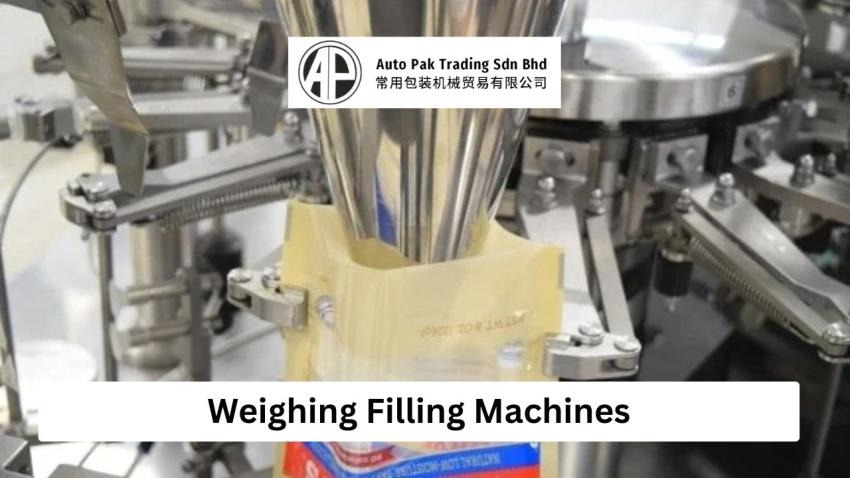
Getting the right fill every time builds trust between brands and buyers. In food, pharma, and chemical packaging, small weight gaps spark waste and loss. Teams need tools that guide each pack with care and control. A powder filling machine anchors this task by steering weight from the first fill point.
Auto Pak Trading Sdn Bhd supports this approach by focusing on steady fills and clear control. With firm weight checks and smooth flow, businesses guard quality, follow rules, and keep work steady on the packaging floor.
What a Weighing Filling Does
A weighing filling machine fills packs by weight. It reads each dose before release. This method replaces guesswork with clear numbers. While teams gain control over every pack that leaves the line.
How the System Works Step by Step
Even product flows into the hopper.
Sensors read the weight during filling.
Controls guide the flow until the target weight.
While the system releases the pack at the right point.
Even though the system reads weight at each stage, it keeps fills steady from start to end.
Why Accurate Filling Matters in Packaging
Accuracy protects both product and brand. When packs match label claims, customers stay confident. Even when fills stay even, waste drops and output rises.
Core Reasons Accuracy Shapes Success
Customers expect a fair weight in every pack.
Rules demand tight weight limits.
Waste cuts profit and time.
Errors slow lines and tire staff
When teams focus on weight control, they protect quality and pace at the same time.
How Weight Control Improves Daily Operations
Accurate filling supports calm, steady work on the floor. While it cuts rechecks and rework, it helps teams plan runs with fewer pauses.
Daily Gains for Packaging Teams
Lower product loss during shifts
Fewer rejected packs at checks.
Stable output across batches
Clear control during long runs
When weight stays correct, teams keep lines moving and meet targets with ease.
The Role of Sensors in Packaging Accuracy
Sensors act as the eyes of the system. While they read with care and speed. Each reading guides the next move during filling.
Sensor Strengths in Filling Lines
Real-time weight checks
Fast response to flow changes
Clear signals to control units
Strong support for fine powders
While sensors track each gram, they help teams trust every fill without second-guessing.
Flow Control and Its Impact on Fill Quality
Flow control shapes how the product enters each pack. Therefore, smooth flow keeps the weight stable while sudden surges cause errors and spills.
Ways Flow Control Improves Results
Guides the product at a steady pace
Reduces spillage during filling
Supports clean pack edges
Protects seals from strain
When flow stays smooth, packs look neat and meet weight goals with ease.
Why Weight-Based Filling Beats Volume Filling
Volume filling measures space, not mass. Even powders change shape and density during runs, while this shift leads to uneven packs.
Clear Strengths of Weight-Based Filling
Handles fine and coarse powders
Adjusts to density shifts
Keeps packs even across runs
Even weight guides each fill, the weighing filling machine protects both product and brand image.
Managing Different Powder Types with Ease
Powders behave in many ways; therefore, some flow fast, while others clump. Even weight systems handle these changes with care.
Powder Traits Weight Systems Manage Well
Light and airy textures
Dense and heavy blends
Moisture-sensitive products
Heat-prone materials
Since the system reads weight, not volume, it adapts to these traits without manual changes.
Accuracy and Compliance Go Together
Rules set clear limits on pack weight while errors risk fines and recall; therefore, weight-based systems help teams meet these rules with confidence.
Compliance Gains Teams' Value
Consistent label claims
Clear batch records
Fewer audit gaps
When weight stays right, teams face checks with calm and clarity.
Reducing Waste Through Precise Filling
Waste drains profit and time. Even overfills give away product. While underfills cause rejects. Therefore, weight control solves both issues.
Ways to Make Precision Cuts Waste
Stops overfills at the source
Limits underweight packs
Reduces clean-up needs
Protects raw material stock
While each fill meets the target, waste drops across every shift.
Supporting Faster Line Speeds Without Risk
Speed matters in modern packaging. While fast lines need strong control to avoid errors; therefore, weight systems balance speed with care.
How Weight Systems Support Speed
Fast sensor response
Stable control during high output
Fewer stops for checks
When speed rises without loss of control, teams meet demand without stress.
Improving Staff Confidence and Focus
Clear systems support staff confidence. Therefore, when machines handle weight checks, teams focus on quality and safety.
Staff Benefit from Weight Controls
Less manual checking
Clear displays for quick review
Fewer disputes over pack weight
While this clarity lifts focus and supports smooth teamwork on the floor.
Data and Tracking for Better Decisions
Weight systems collect useful data during runs. While this data guides planning and improvement.
Data Points Teams Can Track
Fill weight trends
Batch consistency
Error patterns
When teams read this data, they adjust processes and lift accuracy over time.
Consistent Weight Builds Customer Confidence
Accurate packs help customers feel secure with every purchase, because even small gaps affect trust. When each pack feels the same, confidence grows faster, and buyers return more often. Even clear weight control, therefore, keeps brands strong in busy markets and supports long-term loyalty.
How consistency shapes trust
Customers receive fair value always.
Complaints drop across many batches.
Brand image stays clear and strong.
Repeat buying grows over time.
Smart Controls Keep Production Stable
Modern filling systems use smart controls to guide each step, so the process stays calm and steady. These controls, in turn, reduce sudden errors during long runs and help teams manage pressure with ease.
Ways smart controls help teams
Balance product flow during filling
Prevent sudden stops on lines.
Keep output even across shifts.
Reduce strain on workers.
Clean Filling Protects Product Quality
Clean filling matters in food, health, and chemical work, since safety shapes value. A neat process, therefore, guards product quality and keeps packs tidy from start to finish.
Benefits of clean filling
Less spillage on packaging lines
Stronger seals on every pack
Safer handling for staff
Better shelf looks overall.
Final Thoughts
Accuracy drives strong packaging results. When fills stay correct, waste drops, and trust grows. Teams gain firm control, face fewer rejects, and enjoy calmer shifts on the line. A Powder Filling Machines shapes this success by guiding each pack to the right weight without guesswork.
Auto Pak Trading Sdn Bhd highlights the value of weight-based filling for clean output and steady runs. By choosing this method, businesses secure quality from start to finish and deliver packs that meet customer needs and industry standards.
FAQ
Q 1: Why does accurate filling matter in packaging?
Accurate filling helps brands deliver fair value, cut waste, and follow rules. It also sharpens the pack's look and builds customer trust, which drives repeat buying and supports long-term business growth.
Q 2: How does weight control reduce production issues?
Weight control steadies across runs. It blocks rejects, stops overfills, and limits line pauses. As a result, teams work with less stress and produce smooth, reliable output.
Q 3: Can accurate filling improve efficiency over time?
Yes, accurate filling saves material and time. It strengthens planning, trims rework, and helps teams hold steady production, which lifts overall efficiency and supports future expansion.