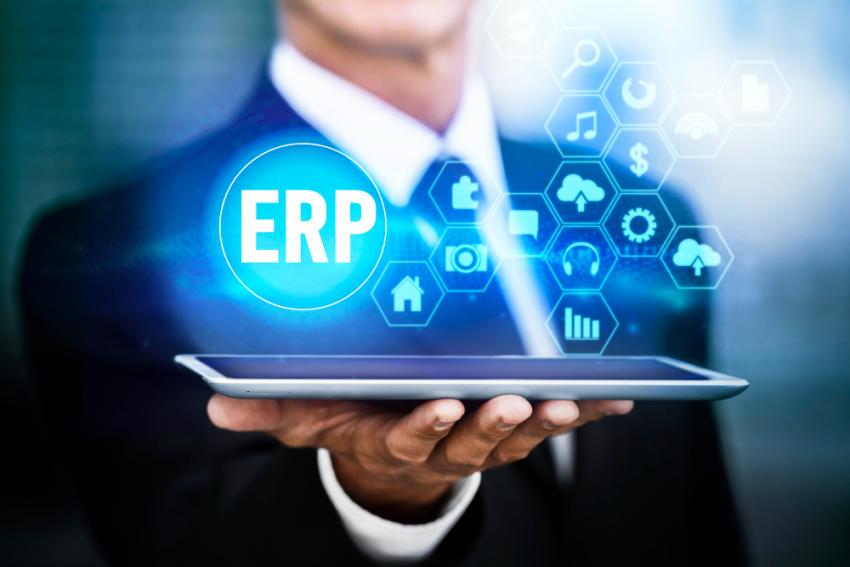
Manufacturing is complex. Tight deadlines, fluctuating raw material costs, machine breakdowns, compliance rules—everything moves fast. Yet many manufacturers still rely on generic ERP systems that promise “all-in-one” solutions but fail to address real shop-floor challenges.
If you’ve ever felt frustrated because your ERP doesn’t truly fit your operations, you’re not alone. Let’s break down why this happens—and how the right solution can change everything.
Why Generic ERP Systems Fail Manufacturers
Generic ERP systems are designed for broad industries. Manufacturing, however, is not “broad.” It’s specific, technical, and operationally sensitive.
Here’s where the problem begins:
1. Poor Shop-Floor Alignment
Manufacturing workflows involve:
Production planning
Inventory tracking
Quality checks
Supply chain coordination
Maintenance scheduling
A generic ERP often lacks deep integration with machines, barcode systems, and production lines. This leads to manual workarounds—exactly what ERP was meant to eliminate.
2. Limited Customization
Most off-the-shelf ERP platforms come with rigid structures.
Manufacturers often face issues like:
Inflexible BOM (Bill of Materials) configurations
Limited multi-plant visibility
Difficulty adapting to regulatory changes
Inadequate production forecasting tools
When software forces you to change your process instead of supporting it, productivity drops.
3. Integration Gaps
Manufacturers frequently use multiple tools—CRM, accounting software, warehouse systems, IoT devices.
Generic ERP systems struggle to integrate smoothly, causing:
Data duplication
Reporting errors
Delayed decision-making
This creates frustration at management levels and confusion on the floor.
4. Scalability Issues
As your operations grow, complexity increases.
Generic systems often fail to support:
Multi-location production
Advanced analytics
Automation workflows
Custom reporting dashboards
Instead of empowering growth, the ERP becomes a bottleneck.
How Custom ERP Fixes These Challenges
This is where custom erp software for manufacturing makes a real difference.
Unlike generic systems, custom ERP is built around your processes—not the other way around.
1. Designed Around Your Workflow
A tailored ERP system can include:
Production-specific dashboards
Real-time inventory tracking
Automated procurement workflows
Machine-level data integration
Everything aligns with your operational structure.
2. Seamless Integration
An experienced manufacturing software development company ensures your ERP integrates with:
Accounting systems
CRM platforms
Warehouse management
IoT and automation tools
This creates a unified ecosystem where data flows smoothly across departments.
3. Improved Decision-Making
With real-time reporting and analytics, leadership teams can:
Track production efficiency
Identify bottlenecks
Forecast demand accurately
Optimize resource allocation
Data becomes actionable—not just visible.
4. Built for Growth
Custom ERP systems are scalable by design.
As your business expands, features can evolve with it—new modules, additional plants, advanced reporting, or automation layers.
The Role of Manufacturing IT Expertise
Building a successful ERP system requires deep industry knowledge.
That’s where professional manufacturing IT services come in.
An experienced team understands:
Production environments
Compliance standards
Inventory cycles
Vendor coordination challenges
At Arobit Business Solutions Pvt. Ltd., we’ve seen how manufacturers transform when their software truly supports their operations. The goal isn’t to “sell software”—it’s to build systems that remove operational stress and unlock efficiency.
If your current ERP feels like a compromise, it might be time to explore a solution built specifically for your manufacturing ecosystem.
Conclusion
Generic ERP systems often fail manufacturers because they are not designed for the realities of production environments. They lack flexibility, integration depth, and scalability.
Custom ERP, on the other hand, adapts to your workflow, integrates seamlessly, and supports long-term growth. When implemented by an experienced manufacturing software development company, it becomes a strategic asset—not just a tool.
If you’re evaluating ERP options, start by asking one simple question:
Is your current system supporting your process—or forcing you to adjust to it?
The answer could shape the future of your manufacturing business.
FAQs
1. What is custom ERP software for manufacturing?
Custom ERP software for manufacturing is a tailored enterprise resource planning system designed specifically around a manufacturer’s processes, workflows, and operational requirements.
2. Why do manufacturers need specialized IT services?
Manufacturing environments involve complex production cycles, compliance standards, and supply chain management. Professional manufacturing IT services ensure systems are secure, integrated, and aligned with operational goals.
3. How do I choose the right manufacturing software development company?
Look for a company with proven experience in manufacturing projects, strong integration capabilities, scalable architecture, and a consultative approach that focuses on understanding your business before proposing solutions.