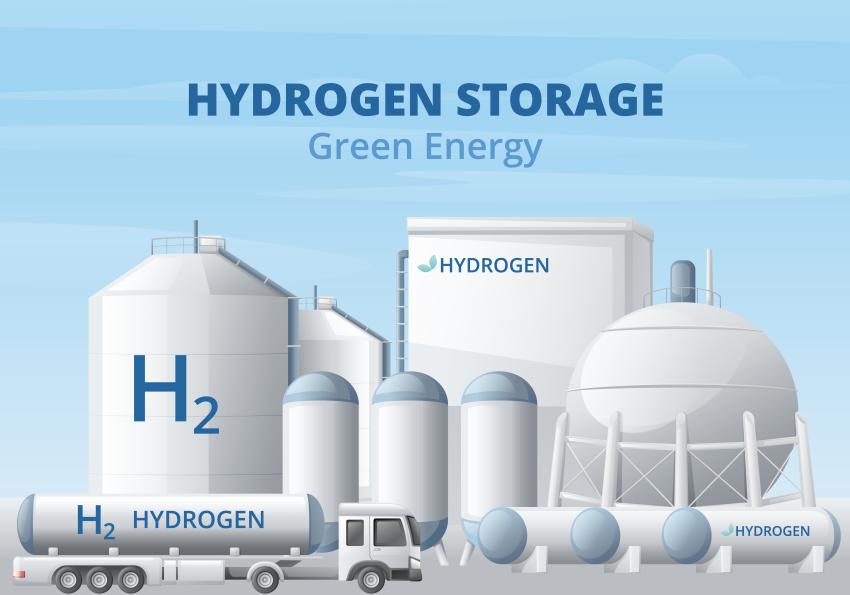
Green hydrogen plants are rising across the globe. Solar fields power electrolyzers. Wind farms feed clean power into hydrogen systems. On paper, the supply side looks strong. But production alone does not move energy. Hydrogen must travel from plant to buyer. That journey depends on ports.Ports are the missing link in the green hydrogen chain. Without new port systems, large-scale trade cannot work. Old ports were built for coal, oil, and gas. Hydrogen behaves very differently. It needs new handling, storage, and safety rules. That is why new ports matter as much as new plants.
Hydrogen is not a plug-and-play fuel. It is light, volatile, and hard to store. Moving it takes planning. Ports sit at the center of this challenge.
The Transport Problem No One Talks About
Most green hydrogen demand will not sit next to production sites. Steel plants, shipping hubs, and power users are often far away. Export markets are even farther.
Pipelines help on land. Ships rule across seas. Ports connect both.
Traditional ports move liquid fuels at high density. Hydrogen has low density. To ship it, hydrogen must be compressed, liquefied, or turned into ammonia. Each option needs special gear.
Without port upgrades, hydrogen stays trapped near plants. That limits scale and raises cost.
Why Existing Ports Fall Short
Most ports were not designed for hydrogen. Problems appear fast.
Storage tanks are not suitable
Safety zones are too small
Loading arms cannot handle cold hydrogen
Fire systems are not rated for hydrogen leaks
Hydrogen flames are near invisible. Leaks rise fast. Small errors can cause major risk.
Ports must handle this safely, every day, at scale. That means new layouts and new rules.
New Ports Act as Energy Gateways
Modern hydrogen ports do more than load ships. They act as energy hubs.
A hydrogen-ready port includes:
Large-scale storage
Conversion units for ammonia or liquid hydrogen
Grid links for power balance
Safety systems built for gas handling
Space for future growth
These ports connect clean power, industry, and trade. They allow buyers to trust supply. They allow sellers to reach global markets.
This is why Green Hydrogen growth depends on ports.
Case Study 1: Rotterdam’s Hydrogen Port Shift
The Port of Rotterdam is changing its role. Once focused on oil and coal, it now builds hydrogen import systems.
The port is adding hydrogen pipelines, ammonia terminals, and storage zones. These upgrades aim to support steel and chemical plants inland.
A key fact: Rotterdam expects hydrogen imports to exceed local production by 2030. Without port changes, that plan fails.
This shows a clear lesson. Even energy-rich regions need ports built for hydrogen trade.
Case Study 2: Saudi Arabia’s NEOM Export Model
Saudi Arabia’s NEOM project is often seen as a plant story. But its real strength is port design.
The project includes export docks built for ammonia shipping. Hydrogen is converted near the coast. Ships move it to Asia and Europe.
The fact is simple. The plant works because the port works. No port, no export. No export, no scale.
This model is now shaping talks at global forums like the World Hydrogen Summit.
Ports Shape Cost and Speed
Hydrogen cost is not just about making it. Transport can add up to 40 percent of total cost.
Efficient ports reduce steps. They cut delays. They lower loss.
Poor ports do the opposite. They raise risk and scare buyers.
Investors look closely at port plans. Buyers ask about delivery routes. Governments plan trade deals around port capacity.
Ports turn hydrogen from a local fuel into a traded one.
Safety Drives Design Choices
Hydrogen safety is not optional. Ports sit near cities and workers.
New hydrogen ports need:
Wide buffer zones
Gas detection systems
Trained crews
Clear response plans
These needs often clash with old port layouts. Retrofitting is hard. In many cases, new port zones are cheaper and safer.
This is why many countries plan fresh hydrogen terminals instead of patching old ones.
The Role of Hydrogen Technologies
Advanced Hydrogen Technologies help ports scale faster.
Examples include:
Cryogenic storage tanks
Smart leak sensors
Digital flow controls
Modular conversion units
These tools improve safety and speed. But they need space and planning. Ports must be designed to use them well.
Plants Without Ports Create Bottlenecks
Many early hydrogen projects focus only on production. That creates risk.
Plants may run below capacity. Buyers may delay contracts. Storage may fill up fast.
Ports remove these limits. They give hydrogen a clear exit path.
Countries that plan ports early will lead trade. Others will struggle, even with strong plants.
FAQs
1. Why can’t existing oil ports handle hydrogen?
Oil ports lack the safety zones and storage systems needed for hydrogen. Retrofitting is often costly and risky.
2. Is ammonia safer than hydrogen for shipping?
Ammonia is easier to ship but still risky. It needs special handling and trained crews.
3. Do all hydrogen projects need ports?
No. Local use may not. Export and large industry projects almost always do.
4. Are hydrogen ports only for exports?
No. They also support imports, storage, and local industry supply.
5. Will ports slow down hydrogen rollout?
If ignored, yes. If planned early, ports speed up scale and cut cost.
Closing Thought
Green hydrogen will not scale on plants alone. Energy must move to matter. Ports make that movement possible. The next phase of hydrogen growth will be built at the water’s edge, not just in the desert or on windy plains.