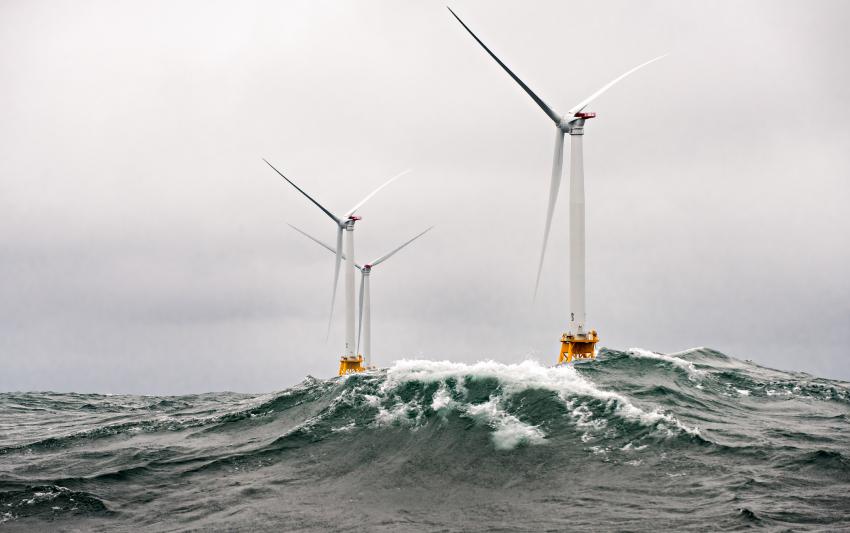
When the Wind Turns Rough: Why Blade Damage at Sea Threatens Offshore Wind Power
Offshore wind turbines work in one of the harshest places on earth. Salt spray, strong winds, rain, hail, and waves hit them every day. Among all turbine parts, blades take the hardest beating. Blade damage at sea is one of the biggest reasons for downtime, high repair cost, and safety risk.
A single damaged blade can cut power output fast. If left unchecked, the damage spreads. Repairs at sea are slow and costly. Weather limits access. Skilled crews are hard to deploy. This makes blade care a top concern for offshore wind operators.
Why Offshore Blades Get Damaged So Often
Blades face constant stress. Wind speed changes by the minute. Rain and salt wear down the surface. Small cracks form over time.
Common causes include:
Erosion at blade tips due to rain and salt
Lightning strikes, even with protection systems
Bird strikes and floating debris
Poor coating quality during early builds
Fatigue cracks from long-term load cycles
At sea, even small damage grows fast. Salt enters cracks. Moisture weakens the core. What starts as surface wear can become deep structural damage.
This is why blade health is a key part of Offshore Wind Maintenance.
Impact on Power and Safety
Blade damage affects more than looks. It hits performance first.
Rough blade surfaces reduce lift. Power output drops. Turbines work harder to produce the same energy. This raises stress on gearboxes and bearings.
Safety risk also rises. A cracked blade can fail during high wind. Falling debris puts vessels and crews at risk. In rare cases, turbines must shut down for months.
Every delay costs money. Offshore repairs cost far more than onshore work.
Inspection Challenges at Sea
Inspecting blades offshore is not simple.
Rope access depends on calm seas
Drones struggle in high wind
Vessel access is limited by waves
Weather windows are short
Missed inspections lead to late detection. Late detection means bigger repairs.
Operators now mix methods. Visual checks, drone scans, and sensor data work together. This improves early damage detection.
Blade checks are now a core task in Offshore wind Operations planning.
Case Study 1: North Sea Blade Erosion Shutdown
A wind farm in the North Sea saw power loss across several turbines. Early signs were missed due to rough weather delaying inspections.
After drone checks, crews found heavy erosion on blade tips. Salt and rain had worn down coatings. Some blades had deep surface cracks.
Five turbines were shut down for safety. Repairs took four months due to weather delays. Power loss reached millions in revenue.
After repairs, the operator added yearly drone scans and improved coating specs. Later damage rates dropped sharply.
Lesson: Early detection saves months of downtime.
Case Study 2: Lightning Damage in the Baltic Sea
A Baltic Sea wind farm faced repeated blade failures after storms. Lightning protection systems were installed but not tested often.
One storm caused a direct strike. The blade showed small surface burns. The turbine kept running.
Weeks later, the blade split near the root. Full replacement was needed. Vessel and crane costs were high.
After the incident, the operator added lightning system tests and post-storm blade scans. No repeat failures occurred.
Lesson: Lightning damage is not always visible. Checks must follow every major storm.
Repair Methods Used
Offshore blade repair depends on damage size.
Small erosion: surface sanding and re-coating
Cracks: resin injection and patch work
Deep damage: bonded structural repair
Severe cases: full blade replacement
Repairs need trained teams and calm seas. Even simple fixes can take days offshore.
Some operators now tow blades to shore for repair. This cuts risk but adds transport cost.
Preventing Blade Damage at Sea
Prevention costs less than repair.
Best practices include:
Strong leading-edge coatings
Regular drone inspections
Lightning system testing
Post-storm blade checks
Data tracking of wear patterns
Good planning reduces emergency repairs and keeps turbines running longer.
Why Blade Care Shapes Offshore Wind Success
Blades drive power output. When they fail, turbines stop. At sea, every delay grows expensive.
Blade damage will remain a major challenge as turbines grow larger and move farther offshore. Better inspection tools, skilled crews, and clear repair plans are now essential.
Strong blade care programs protect energy output, safety, and long-term returns.
FAQs
1. Why are offshore blades damaged faster than onshore blades?
Salt, rain, strong wind, and constant moisture speed up wear and erosion.
2. How often should offshore blades be inspected?
At least once a year, plus after major storms or lightning events.
3. Can blade damage be repaired at sea?
Yes, for small to mid-level damage. Severe cases may need full replacement.
4. Does blade erosion reduce power output?
Yes. Rough surfaces lower lift and cut energy production.
5. Are drones reliable for offshore blade inspection?
Yes, when weather allows. They reduce risk and speed up checks.