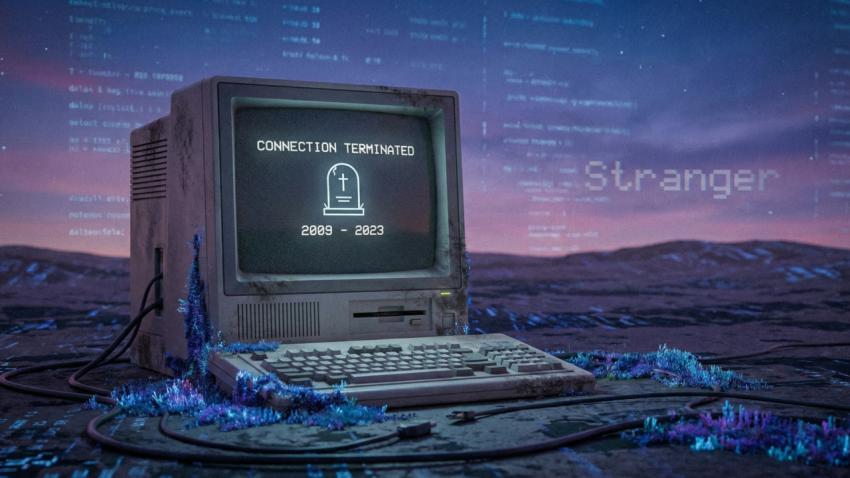
On November 8, 2023, the internet landscape changed forever. Users who navigated to the familiar URL expecting to meet a stranger were instead greeted by a simple, grey tombstone logo and a lengthy farewell letter.
For over a decade, Omegle was synonymous with online randomness. It was the place where bored teenagers, aspiring musicians, and curious minds went to kill time. Its sudden disappearance sent shockwaves through social media, leaving millions of daily users confused.
In this comprehensive deep dive, we explore everything you need to know: Is the site truly gone, why did it happen, and what does this mean for the future of online anonymity?
Is Omegle Shut Down Permanently or Is It Coming Back?
This is the most persistent question in 2026. The answer is definitive: Yes, Omegle is shut down permanently.
The closure was not a temporary server outage, a maintenance break, or a rebranding strategy. Leif K-Brooks, the site’s reclusive founder, made it clear in his final statement that the project was ending. The servers have been wiped, the chat functionality has been disabled, and the business entity has effectively ceased operations.
While rumors constantly circulate on platforms like TikTok claiming that "Omegle is back," these are almost always misleading advertisements for clone sites or completely different applications using the name to gain traffic. The original platform, as we knew it from 2009 to 2023, is history.
Why Did Omegle Shut Down After 14 Years of Success?
To understand the closure, we have to look beyond the "Start Chat" button. The decision to shut down Omegle was driven by a complex mix of financial, legal, and psychological pressures.
In his open letter, the founder cited the "psychological and financial toll" of running the platform. Towards the end of its life, the site was fighting a losing battle on two fronts:
The Moderation Crisis: Despite investing heavily in AI moderation and human review, the sheer volume of users made it nearly impossible to police every interaction effectively. Bad actors constantly found ways to bypass safety filters.
Legal Liability: The site became the target of numerous lawsuits attempting to hold the platform responsible for the actions of its users. Defending against these attacks became financially unsustainable.
Ultimately, the cost of keeping the "Wild West" of the internet open became too high for a small team to manage.
The History of Omegle: From a Bedroom Project to a Global Giant
The story of Omegle is a classic Silicon Valley tale. It was founded in 2009 by Leif K-Brooks when he was just an 18-year-old student in Vermont.
Initially, it was a text-only platform. The premise was revolutionary in its simplicity: talk to a stranger without registering.
2010: The introduction of Video Chat changed everything. It added a layer of human connection (and chaos) that text couldn't match.
2020-2021: During the global pandemic lockdowns, Omegle experienced a massive resurgence. With everyone stuck at home, the site became a digital lifeline, exploding in popularity on TikTok and YouTube.
For a brief moment, it felt like the entire world was hanging out in the same digital room.
Did Omegle Have an Official App Before It Closed?
A common misconception among users is searching for the "Omegle App." Throughout its entire 14-year history, Omegle never had an official mobile app.
The founder was a purist who believed in the browser experience. All the apps you saw on the App Store or Google Play Store with the word "Omegle" in the title were third-party clones or fakes. This lack of an official app actually contributed to its charm; it was a relic of the desktop internet era that refused to modernize, yet remained incredibly popular on mobile browsers.
How Did Omegle Influence Modern Social Media?
The legacy of Omegle extends far beyond its own domain. It fundamentally changed how we view content creation. Many of today’s biggest streamers and YouTubers built their careers using the site. It created a new genre of content: "Trolling on Omegle," "Musician surprises strangers," or "Wholesome interactions."
It proved that people were hungry for unscripted reality. While Instagram and TikTok offered curated, polished content, this chat site offered raw, unfiltered humanity. It was the reality TV of the internet, where the participants were the audience themselves.
What Happened to User Data After Omegle Closed?
Privacy was always a major selling point of the platform. You didn't need an account, an email, or a phone number. However, the site did log IP addresses and chat timestamps for legal compliance.
When Omegle shut down, questions arose about this data. While the company has not released a detailed technical post-mortem, standard industry practice in such dissolutions usually involves purging user logs that are no longer legally required to be kept. The closure effectively ended the data collection, ensuring that no new digital footprints are being created under the brand's name.
Why Do People Still Miss Omegle in 2026?
Three years after its death, the search volume for the site remains millions strong. Why can't we let go?
Psychologists point to the concept of "Intermittent Reinforcement." The site functioned like a slot machine. You never knew if the next click would bring a boring bot, a rude person, or a life-changing conversation. That unpredictability is addictive.
Modern social media is safe and algorithmic. It shows you what you already like. Omegle showed you what you didn't know existed. It was the last public square where you could meet someone purely by chance, without an algorithm interfering. Until a new platform fully replicates that specific feeling of "safe danger" and pure serendipity, the ghost of Omegle will continue to haunt the internet.