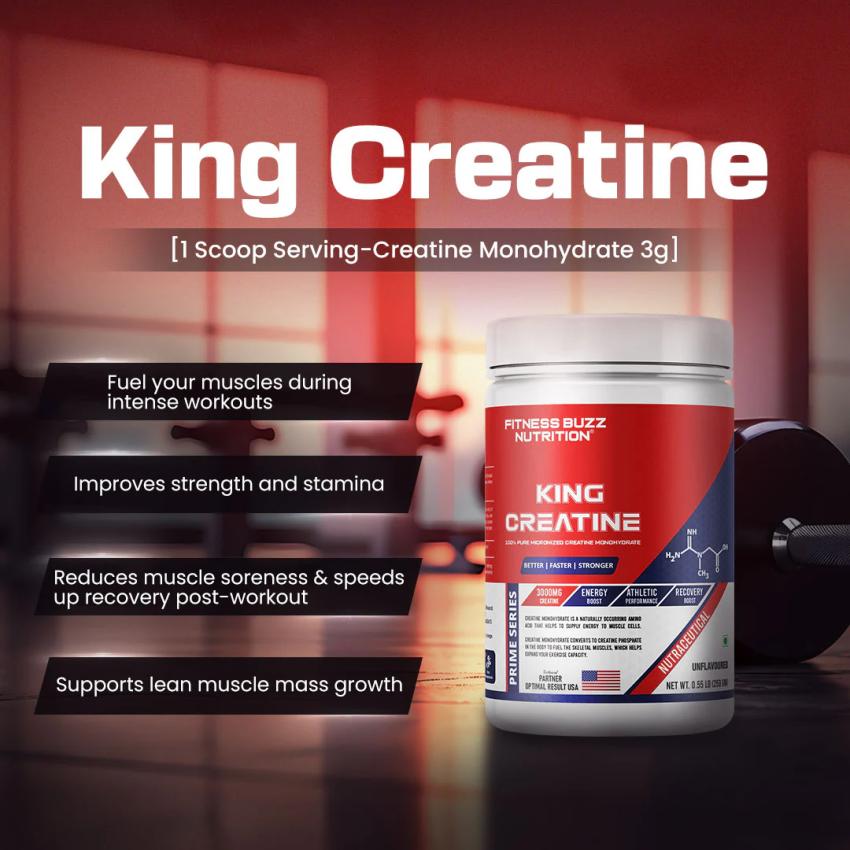
Creatine is one of the most popular fitness supplements today, and for good reason. Whether your goal is to build muscle, improve strength, or enhance workout performance, creatine is often the first supplement people look at. That being said, there are several key components that you need to be aware of before opting a creatine monohydrate.
With this list of key factors in mind, here's a rundown of everything you need to know to make sure you're making the right decision for you and your goals when it comes to creatine supplementation.
1. Understand What Creatine Actually Does
Creatine is a naturally produced substance found within your muscles. When you perform intense physical activities such as lifting weights or sprinting, creatine replenishes your body's energy levels through ATP production. By increasing your ATP output, you can see an increase in your strength, a rise in muscle mass, and longer recovery periods between sets of exercises.
Although creatine can help improve athletic performance, it is important to keep in mind that it does not replace the need for a proper exercise program, a healthy diet, and adequate rest for the best results.
2. Selecting the Appropriate Kind of Creatine
You'll observe numerous types of creatine when you search for creatine on the market, including creatine monohydrate, micronised creatine, creatine hydrochloride (HCL), etc., but the most thoroughly researched, cost-effective, and efficient option for most individuals will be creatine monohydrate.
Creatine monohydrate is generally a good option for novices to get started.
3. Ensuring Purity & Quality
Not every supplement is created equal. When considering creatine, examine the label for both purity and ingredient transparency (which should contain no fillers, artificial colours, preservatives, or other superfluous substances). The highest-quality creatine will normally be free from all additives and preservatives.
The most trustworthy products are those that have undergone lab testing or certification to verify quality. Petrified herbal products and supplements will be much safer to use regularly.
4. Knowing the Proper Dosage
Many individuals overthink or overconsume creatine. If an individual is taking in too much creatine, it is otherwise ineffective. Most individuals will respond to creatine at dosages of 3-5 grams daily.
Many individuals incorporate a loading phase into their consumption, while others choose not to; however, both methods have been found to work when followed consistently.
5. Take Care of Your Entire Diet
Creatine can be more effective when consumed with adequate amounts of nutrition. Most people who work out combine creatine with whey protein isolate because of its ability to help muscle recovery and muscle-building effects. It is used for building muscle, quick-digesting and clean protein that reinforces muscle tissue that has been damaged due to intensive exercise.
Adding whey protein isolate along with creatine will enhance the effectiveness of creatine if you consume sufficient protein.
6. Drink water
The water pulled into muscle cells by creatine is one of its mechanisms for assisting with athletic performance. Therefore, to take advantage of this benefit, hydration is necessary. Drinking adequate amounts of water throughout the day will help to prevent cramping, bloating or full sensations, and other types of discomfort.
If you plan on selecting a creatine product, make hydration a part of your daily routine instead of only thinking about it at the time you are in the gym.
Final Thoughts
Before you buy creatine, it is important that you know what your body needs and begin looking into what the supplement actually contains. Choosing the appropriate form of creatine, emphasising quality, taking the proper amount, and complementing it with the right nutrition, such as whey protein isolate will go a long way in helping you achieve optimal results.
When used properly, creatine is a safe and effective supplement for beginners, and it will contribute to your continued success in fitness over time. Therefore, make good choices, remain consistent, and allow your training to do its job.