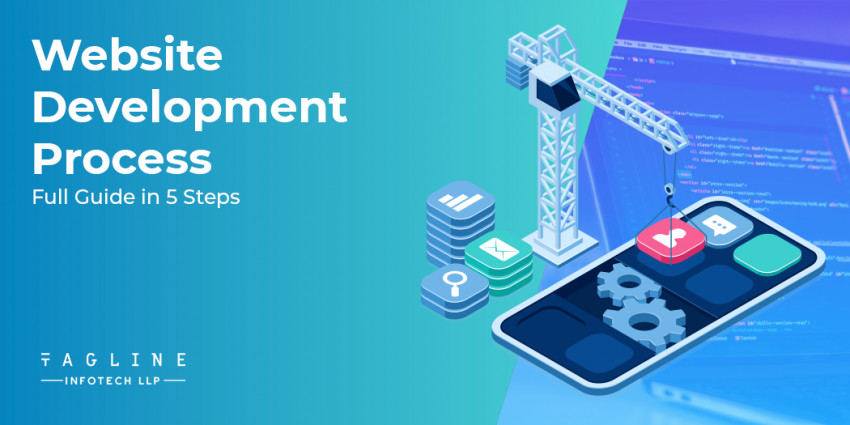
The website development process can seem intimidating at first if you’ve never done it before, but it doesn’t have to be! There are certain steps you can take to ensure the process goes smoothly and easily, but that also ensures that your end product turns out great and is exactly what you want and need. Follow these five steps to the letter, and your website will come out just how you want it.
1) Business Analysis
First, determine what you want to achieve. This is your business’s overarching goal, so think carefully about it. Write a mission statement that outlines your priorities and vision for your company, like Zappos: To provide our customers with excellent service and high-quality products at competitive prices while building a company where people love to work. We have a detailed guide on how to write one if you need help coming up with one. Once you have your mission statement, start asking yourself questions about what success looks like. What will be different when you reach success? How will your customers feel? What kind of resources will you need to get there? Make sure to include quantitative goals—like increased revenue or decreased costs—as well as qualitative ones—like customer satisfaction or employee engagement. You can learn more about setting quantifiable goals here. These are called performance indicators, or metrics. They are measurements that you'll use to track your progress toward achieving your objectives. As an example, let's say you're starting a tech company and one of your goals is to grow monthly sales by 25%. One way to measure growth would be by comparing month-over-month sales figures each month. You could also look at total revenue generated over time—though these two approaches would give slightly different results (monthly growth might slow down toward the end of each quarter because most companies experience seasonal fluctuations). The choice is yours! For more guidance on choosing metrics, check out our post here. A good next step would be getting feedback from potential users/customers.
2) Requirements
There are several important things you must know before developing a new website. First, you must have a set of requirements that will describe every important aspect of your site. These might include The number of pages on your site, how often it needs to be updated, and any special functionality that you would like included. When creating these requirements, try to be as detailed as possible so that no details are left out; try writing them down first on paper and then implementing those points into a spreadsheet or document that can easily be referred back to. Second, choose your web development company wisely by checking with references, doing thorough research, and finding out how long they have been around. It is also important to find out if they are able to complete your project within a reasonable time frame. Lastly, when choosing your web design company, make sure that their style matches yours and that you feel comfortable working with them. If not, keep looking until you find one that does! Once all of these factors have been taken care of, moving forward should be smooth sailing!
3) Design
It’s important to hire a professional designer with experience to create a website that people want to visit. The first thing they do is ask you questions about your product, services, and what you’re trying to convey. They will work with you to understand your product or service and then use those elements as inspiration for their design. This means it’s important for you to have a firm grasp of your branding and message so you can effectively communicate it through your website. Once there are finalized designs, they will be sent back and forth multiple times until everything is exactly how you want it. The whole process generally takes anywhere from two weeks up six months depending on how complicated it is (and how much feedback there is.) There’s also an opportunity to get real-time responses throughout the entire process, meaning there are no surprises at launch time. Having access to someone who understands every step of web development ensures your vision is executed flawlessly.
4) Development
All websites start with a wireframe, which is like a blueprint that defines how content is organized and structured on each page. After your wireframe is approved by stakeholders and the client, you’ll move on to design. The design includes both layout and visual design, like colors, fonts, images, logos, navigation elements, and more. Once the design is complete you can move on to development—which actually means coding—and will then test your site for bugs and errors before launching it live. We won't get into all of these steps here (there's plenty of information out there if you want to learn more) but just remember: The earlier you plan out your website's development process, the smoother things will go when it comes time to build your site. And that'll save everyone time and money in the long run.
In addition, if they wanted an extra credit activity they could create a website using any CMS or blogging platform they choose based on their description. It would be judged on organization, originality, use of technology/platforms (if applicable), creativity, and overall aesthetic appeal.
5) Implementation
When developing a website, there are many steps to take before you can expect your site to be up and running. From buying your domain name and hosting account, to using CMSs like WordPress or Joomla!, we’ve got a whole list of tips for getting things done quickly and accurately. Whether you’re a professional web developer or just looking for some pointers, read on for our step-by-step guide. 1. Purchase Domain Name & Hosting Account: Before anything else, it’s important to get your basic framework set up. That means purchasing a domain name (your website address) and hosting account from a provider such as GoDaddy or Bluehost. This will give you an online presence that allows people to find your site and visit it easily. 2. Find Your Niche: After setting up your base, it’s time to start thinking about what type of content you want to feature on your new website—or niche! You should already have an idea in mind by now, but if not, think about your skills and interests. For example, if you’re a skilled graphic designer with experience creating websites, then maybe you could create a portfolio site showcasing your work. Or maybe you’re interested in writing articles related to video games? Whatever it is, make sure it aligns with your skillset and interests so that you don't waste time working on something that doesn't interest you. 3. Plan Out Design: Once you know what kind of website you want to create and have purchased all necessary tools for development (domain name/hosting account), it's time to sit down and plan out how everything will look visually.