Singapore keeps coming up in travel conversations lately, mostly because people are starting to realise it isn’t just a quick shopping stop anymore. The city has always been polished, sure, but something about 2026 feels like a turning point — maybe the new attractions, maybe the shifting exchange rates, maybe just travellers wanting cleaner, easier trips after dealing with chaotic visa issues elsewhere. Hard to say exactly. But the value question keeps resurfacing.
Now, figuring out when Singapore tour packages actually justify the spend gets tricky fast. And here’s the thing — the price tag alone doesn’t tell the whole story. Packages can look expensive at first glance, especially when rates float between seasons, but the actual worth becomes clearer once you factor in the time saving, the transport quirks, and how fast costs stack up if you try piecing everything together on your own.
The attraction timing issue no one talks about
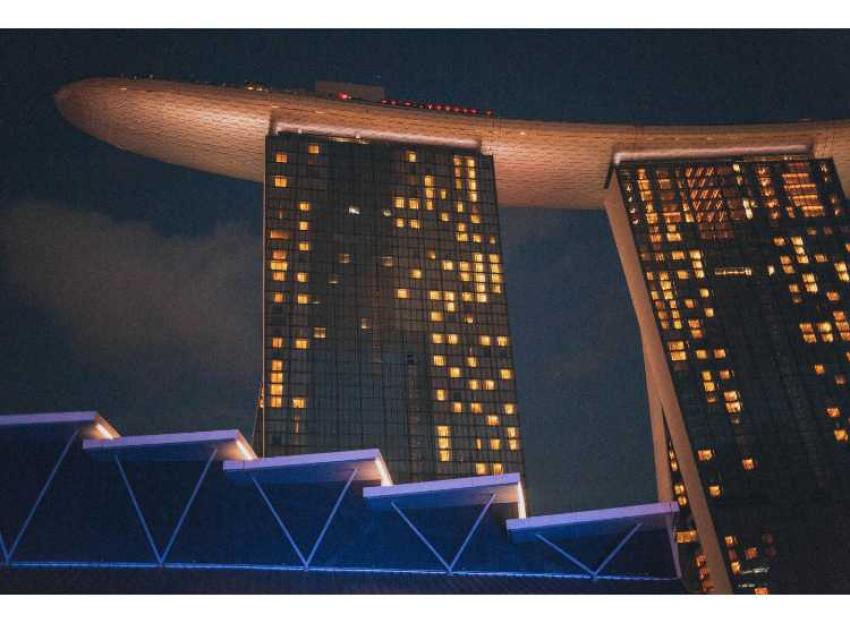
There’s a timing reality in this city that people overlook. Most major places — Marina Bay Sands SkyPark, the big indoor attractions, the evening shows — all follow tight slots. Miss one by fifteen minutes and you’re waiting around in humidity that gets pretty heavy by late afternoon. Packages that pre-arrange these slots tend to feel more valuable than they look on paper. Roughly speaking, some operators line up entry windows to avoid those slow periods that eat half the day.
And honestly, that planning alone is worth more than the generic advice floating online, which usually assumes you’re fine wandering around without structure. That’s not quite how Singapore works. The heat drains energy, traffic during certain hours stretches short distances longer than expected, and indoor–outdoor transitions get tiring. Packages that handle these bottlenecks almost always make the trip smoother — even though the Singapore tour packages price might appear higher upfront.
The transport puzzle — small place, complicated movement
People assume Singapore is small, which it is, technically. But the movement between areas is where things get confusing. The metro system works brilliantly, except during peak windows when carriages fill up enough that you start reconsidering your whole itinerary. Taxis surge unpredictably depending on weather — and tropical rainstorms hit suddenly, especially around November–January — ruining any attempt at estimating costs.
This is where the good Singapore travel packages quietly shine. They include transfers at moments where walking isn’t ideal, particularly around Sentosa or the zoo areas. And before anyone jumps in with "just use public transport," that advice often comes from folks who haven’t tried navigating with luggage or tired kids at 9 p.m. after a long day.
Going back to the earlier point about value — smooth movement is part of it. Packages that guarantee specific pickups save both energy and money, though you only realise the difference when you’re actually there dealing with the late-night humidity.
The real difference: What’s bundled, and how intelligently
Now, here’s the interesting part. Not all Singapore tours include the same add-ons, and this is where worth becomes highly variable. Some bundle too many things — like packing two major attractions into a single morning, which sounds efficient but becomes exhausting. Others under-build the plan and leave travellers spending extra on dining or evening shows that could’ve been included at a lower combined rate.
Worth, in 2026, comes down to intelligent curation. Not volume.
I’ve seen operators cram Universal Studios and SEA Aquarium into the same block of hours. My opinion? That never works. Both need different energy levels and wildly different pacing. Same with pairing Gardens by the Bay and the night safari; the heat and walking distances make that combination borderline uncomfortable unless timed with early entry.
Packages that stretch activities realistically — and adjust for things like monsoon timing or peak dinner windows — tend to feel far better than those that simply look cheaper.
Short trips: The 3-day question
A lot of people look at a Singapore tour package 3 days 2 nights thinking it’s enough. Sometimes it is. Sometimes it really isn’t. Depends on how much you want to fit in. The typical 3 days Singapore tour packages work best when they prioritise clusters rather than bouncing around the map. Without that, time evaporates fast.
If memory serves correctly, average visitors spend roughly $50–80 per meal for two in mid-range places, and those numbers fluctuate depending on the stronger currency at the time. Meaning — if your package includes breakfast and even a couple of dinners, the value becomes clearer than the per-day rate suggests.
But again, this could shift depending on exchange rates in 2026, so take that assessment with the usual skepticism.
The price confusion — always shifting
Now, about context on Singapore tour packages price. It varies so wildly that any fixed number feels unreliable without checking current rates. Weekends push numbers up. School holidays shift availability. Weather impacts the schedules of certain shows. And operators sometimes adjust prices based on staffing shortages — something that happened surprisingly often the past few years.
So, any guide giving exact figures without date context is probably oversimplifying. Expect semi-premium packages in 2026 to sit somewhere in the middle range, not rock-bottom cheap but not as high as full luxury circuits. More affordable Singapore holiday packages might trim transport or attraction fees, which is fine as long as expectations are clear.
Why local packages occasionally win
There’s one angle people forget — Singapore local tour packages sometimes outperform international operators because they understand the city’s temperamental scheduling. They know which mornings tend to be quieter, they anticipate thunderstorms better, and they plan routes around the unpredictable midday heat.
Not always. But often enough that comparing both sides feels necessary.
The simple answer — worth depends on friction
If I had to summarise the whole thing — not formally, just the general sense — a package becomes worth the money when it reduces friction. When it cuts waiting time. When it lowers the mental load of dealing with heat, timing, transport, and unpredictable costs. When it strings the city’s experiences together in a way that actually matches human energy levels.
That’s pretty much it.
Some travellers prefer building everything themselves. Others realise halfway through that paying a little extra upfront saves far more than it costs.
Either way — 2026 will make the decision clearer because prices may shift again, attractions might adjust timings, and travellers might finally start valuing comfort over pure cost comparison.
That’s the whole thing, really. Worth isn’t fixed. It depends on how you travel, when you go, and how much chaos you’re trying to avoid.