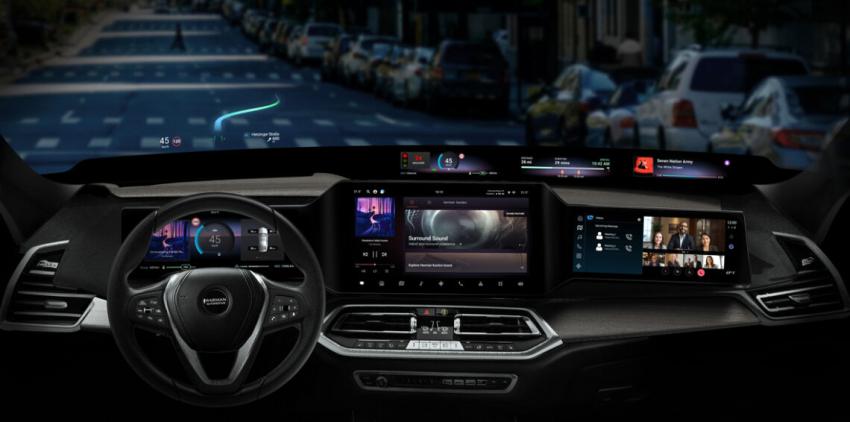
automotive telematics control unit (TCU) market is progressively solving issues related to cybersecurity and data protection in connected vehicles. It's done through the combination of highly secure encryption, communication protocols and AI-driven threat detection, the automotive telematics control unit (TCU) market is ensuring vehicle operations are not only secure, but also reliable and robust in a digitally connected ecosystem.
Introduction
The automotive telematics control unit (TCU) market has emerged as a vital player in the fight against cyber-threats in connected vehicles. As vehicle connectivity is on the rise, the automotive telematics control unit (TCU) market acts as a secure means of data transfer, safeguarding sensitive data, and ensuring that the industry standards and the regulatory requirements are met.
As a result of the decisions made by OEMs, fleet operators, and service providers to implement technologies for connected vehicles, the automotive telematics control unit (TCU) market is the one which guarantees the existence of strong cybersecurity frameworks that, thus, make it possible for vehicles to operate safely and efficiently. The incorporation of security measures in the automotive telematics control unit (TCU) market strengthens the security of vital vehicle systems, driver data, and overall performance.
Cybersecurity Applications
The automotive telematics control unit (TCU) market is the key enabler to secure communication between vehicles, cloud platforms, infrastructure, and IoT devices. TCUs use encryption, authentication protocols, and intrusion detection systems to protect sensitive data, thus, highlighting the importance of the automotive telematics control unit (TCU) market in the security of connected vehicles.
Fleet operators utilize the automotive telematics control unit (TCU) market in their endeavors to deter unauthorized access, detect cyber threats, and secure data transmission. The automotive telematics control unit (TCU) market facilitates the security of vehicle systems through on-the-spot checks, which allows for the identification of irregularities, and the prevention of probable security breaches.
Data Protection in Connected Vehicles
The automotive telematics control unit (TCU) market is responsible for the safe delivery of vehicle data, thus, it entails GPS location, performance metrics, and driver behavior information. As a result of the protection of this sensitive data, the automotive telematics control unit (TCU) market ensures that privacy is respected, and the trust had by vehicle owners, operators, and service providers in each other is further strengthened.
The automotive telematics control unit (TCU) market is also instrumental in achieving compliance with international data protection laws, such as GDPR, and local automotive cybersecurity standards. TCUs are designed to facilitate secure storage, access control, and data anonymization to ensure safe operations of connected vehicles.
Technological Innovations
In order to bring about improved cybersecurity and better data protection, the automotive telematics control unit (TCU) market welcomes technologies like AI, machine learning, blockchain, and advanced encryption. An AI-based TCUs are capable of finding unusual events, forecasting security loopholes, and initiating the security steps which prevent the problems from happening, thereby strengthening the role of the automotive telematics control unit (TCU) market in digital vehicle safety.
IoT-enabled automotive telematics control unit (TCU) market solutions establish security for open communication among vehicles, fleet management platforms, and cloud servers. This makes it possible for real-time threat detection, secure software updates, and encrypted data communication to be performed, thus, the automotive telematics control unit (TCU) market being reinforced as a security enabler of connected mobility.
Fleet and Commercial Vehicle Integration
One of the primary consumers of the automotive telematics control unit (TCU) market is commercial fleets that want to secure their operational data, keep off hackers, and allow safe vehicle operations. TCUs, in turn, give security status real-time snapshots, warn the safety department about the potential threats, and, thus, allow intervention from a distance.
Fleet managers who have the automotive telematics control unit (TCU) market embedded in their systems can securely watch over vehicle performance, keep operational information that is sensitive safe, and at the same time, prevent disruptions. Thereby, operational risk is lowered, compliance with regulations is ensured, and fleet reliability is enhanced, thus, the automotive telematics control unit (TCU) market’s significance in commercial mobility is demonstrated.
Regional Adoption Patterns
The automotive telematics control unit (TCU) market is very well received and makes a lot of progress in North America, Europe, and Asia-Pacific. North America is at the forefront because of an advanced connected vehicle infrastructure, strict cybersecurity regulations, and a high-density fleet, leading to a high level of adoption of the automotive telematics control unit (TCU) market.
Europe puts an emphasis on regulatory compliance, data protection standards, and urban mobility safety that are the main reasons why the automotive telematics control unit (TCU) market is thriving there. Asia-Pacific is speeding up the automotive telematics control unit (TCU) market growth, especially China, Japan, and South Korea, due to smart city initiatives, autonomous vehicle development, and fleet modernization programs.
There are some emerging regions like Latin America, the Middle East, and Africa that are slowly but surely adopting the automotive telematics control unit (TCU) market solutions to make the operation of connected vehicles safer, to lower the risk of cyber-attacks and to improve the efficiency of operations, thus, the local markets are turning to be globally attributed.
Competitive Landscape
The leading players in the automotive telematics control unit (TCU) market are putting their money where their mouth is in terms of cybersecurity solutions, secure cloud connectivity, and AI-driven threat detection platforms. Most of the time, when such things happen as the automotive telematics control unit (TCU) market witnesses strategic partnerships between OEMs, telematics providers, and cybersecurity technology companies to deliver integrated, secure mobility solutions.
Real-time monitoring, secure data transmission, and predictive threat analytics innovations are some of the reasons behind the strengthening of the automotive telematics control unit (TCU) market. Companies are increasingly providing scalable cybersecurity services to commercial fleets, connected passenger vehicles, and autonomous mobility systems.
Market Challenges
While the automotive telematics control unit (TCU) market is expanding, it is still confronted with issues such as quickly changing cyber threats, complicated regulations, and the problem of how to work together with the old systems Moreover, the problem of how to communicate securely among different models of vehicles and telematics platforms is a very serious one as far as the automotive telematics control unit (TCU) market is concerned.
Besides technical complexity, the high cost of deployment, and the need for continuous software updates are some other challenges. Taking care of these matters is very important for the automotive telematics control unit (TCU) market if it wants to be able to offer dependable, scalable, and strong cybersecurity and data protection solutions.
Future Outlook
As the number of connected and autonomous vehicles grows, the automotive telematics control unit (TCU) market will have an opportunity to expand considerably. The future telematics devices will be incorporating the following: highly sophisticated AI-driven threat detection, blockchain-based security frameworks, and real-time encrypted communication, all done to further vehicle cybersecurity and data protection.
The expansion of smart cities, autonomous vehicles, and connected fleets all over the world will be accompanied by the need for the automotive telematics control unit (TCU) market to be there in the first line of defense of digital mobility, thus, ensuring not only the operational reliability but, also, the passenger trust in the connected transportation ecosystems.
Conclusion
Summing up, the automotive telematics control unit (TCU) market is transforming the way cybersecurity and data protection are accomplished in connected vehicles. The market is enabled to provide safe, trustworthy, and stable vehicle operations through the use of AI, blockchain, encryption, and real-time monitoring.
The automotive telematics control unit (TCU) market is to be credited with the innovations that brought about the OEMs, fleet operators, and urban mobility planners a new era of vehicle systems security, operational data confidentiality, and driver information protection, which are empowering the continuation of safe, connected, and autonomous mobility at a global scale.