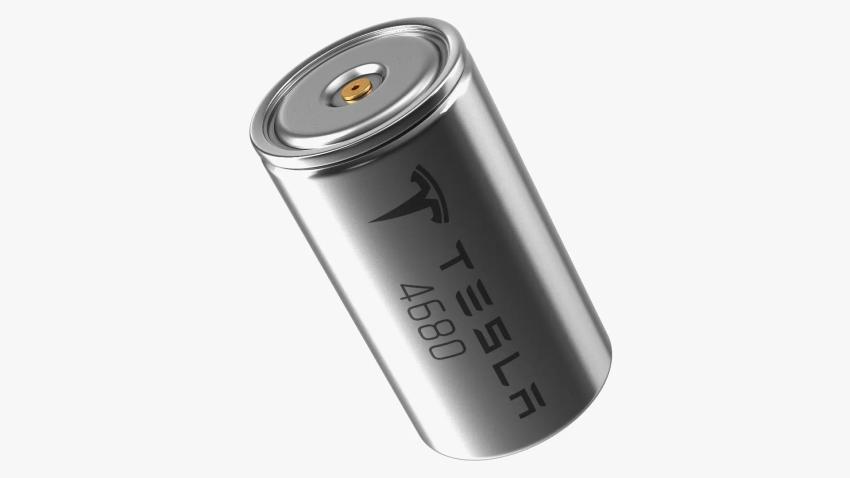
A Major Evolution in Battery Format and Design
The 4680 battery is important because it represents one of the most significant advancements in cylindrical lithium-ion cell design in recent years. Its name comes from its dimensions—46 mm in diameter and 80 mm in height—which are much larger than previous cell formats like 18650 and 2170. This larger structure enables a higher energy capacity per cell, reducing the number of individual cells needed in a battery pack. Fewer cells mean simpler pack architecture, fewer weld points, and reduced internal resistance. These improvements help reduce the overall weight and complexity of the pack, ultimately making electric vehicles more efficient and easier to manufacture on a large scale.
Higher Energy Density and Longer Driving Range
One of the most important reasons the 4680 battery matters is its ability to deliver higher energy density. With more active material inside each cell and improved internal structure, these batteries store more energy without significantly increasing weight. The result is the potential for a longer driving range in electric vehicles. Higher energy density also means improved volumetric efficiency, which allows manufacturers to design vehicles with more interior space or lighter structures. This improvement directly addresses a major concern for EV buyers—range anxiety—and helps make electric vehicles more practical for long-distance travel and everyday use.
Structural Battery Integration Enhances Vehicle Performance
Tesla’s introduction of structural battery packs is another reason why the 4680 battery is considered so important. Instead of simply being modules placed inside a vehicle chassis, 4680 cells can be used as load-bearing components that strengthen the overall structure of the car. This approach reduces the need for traditional frame components and results in a more rigid body. A stiffer structure improves crash safety, enhances handling, and lowers overall vehicle mass. By integrating the battery into the vehicle’s frame, manufacturers can produce cars that are lighter, more durable, and more energy efficient—all of which improve overall performance and user experience.
Potential for Lower Manufacturing Costs and Faster Production
Another reason the 4680 battery is important lies in its cost-reduction potential. The design supports advanced production techniques such as dry-electrode manufacturing, which can lower material waste, reduce factory energy consumption, and increase throughput. These efficiencies make it possible to produce batteries at a lower cost per kilowatt-hour. Since batteries remain the single most expensive component of an electric vehicle, even modest cost reductions can significantly lower the price of EVs. This can make electric vehicles more affordable and accelerate widespread adoption. Although current production challenges remain, the long-term cost benefits of 4680 technology continue to be a major focus for automakers.
Improved Fast-Charging Capabilities and Thermal Performance
The 4680 battery also matters because it has the potential to improve charging performance. Its updated internal architecture supports better thermal management, allowing heat to dissipate more effectively during high-power charging. Improved thermal stability can help reduce charging times and enhance battery longevity. Better heat control also contributes to safer operation, as overheating is one of the biggest risks in lithium-ion battery systems. With improved efficiency under high loads, the 4680 battery enables electric vehicles to charge more quickly and perform reliably in demanding conditions, making the overall EV experience more convenient for users.
A Critical Step Toward the Future of Electric Mobility
Ultimately, the 4680 battery is important because it pushes the electric vehicle industry toward a more advanced and scalable future. From higher energy density and structural integration to cost reductions and faster charging, the 4680 cell addresses multiple challenges that have historically slowed the growth of EV adoption. Its design aligns with the long-term goals of automakers: improving performance, lowering costs, and expanding mass production capabilities. As manufacturing processes mature and production volumes increase, the 4680 battery could serve as a foundational technology that shapes the next generation of electric vehicles, helping the industry move closer to widespread global electrification.