Nowadays, India has become a large center of hip replacement surgery; it restores mobility and transforms life. India is focusing on good surgery, combining cutting-edge technology with expert orthopedic care to deliver a better result for hip transplant. India aims to ensure diagnosis quickly, faster recovery, and lasting mobility for every patient. In addition to hip replacements, India also offers advanced Knee Replacement Surgery Treatment, reflecting its growing excellence in orthopedic care.
What Is Hip Replacement Surgery?
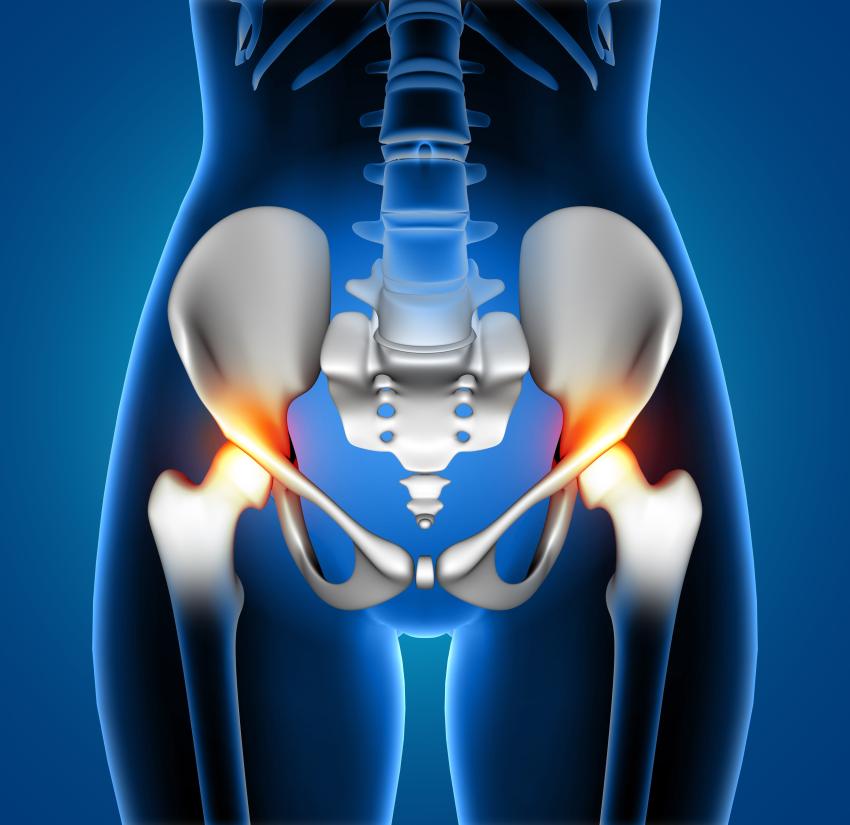
Arthroplasty surgery is also known as hip replacement surgery. This surgical procedure aims to find out the hip pain. It is used to remove the diseased part of the hip joints and swap the new one. It can be artificial parts of the hip. The artificial part is made of a mimic of the original or normal hip joint. The hip joint consists of a ball and socket in the pelvis or hip bone.
Types of Hip Replacement
Several types of hip replacement procedures are present.
Total Hip Replacement (THR): The femoral head and the acetabulum are replaced. Those with substantial joint destruction or severe arthritis are candidates for this operation PolarishealthcarePracto.
Partial Hip Replacement (Hemiarthroplasty): The surgery is limited to the replacement of the ball only, the femoral head (c), usually done after a hip fracture Polarishealthcare.
Hip Resurfacing: The ball is not taken out but its size is reduced and a cap is placed over it; a procedure for younger patients who want to remain active Verywell HealthPracto.
Revision Hip Replacement: Carried out in situations where a worn-out, infected, or problematic primary replacement has led to failure Verywell Health.
Who Needs Hip Replacement?
Generally, the hip replacement is the option that is advised in case the conservative treatments (i.e. therapy, medication, or injections) are not able to control the continuous pain in the hip or the loss of function. Such indicators may be:
Extreme degenerative joint disease or chronic inflammatory arthritis is experienced.
Bones death or hip bone collapses.
When a person loses their motility due to fracture.
Stiffness and pain of a long duration that impair the quality of life Practo.
Evaluation and Diagnostics
Before surgery, doctors perform a comprehensive evaluation:
To comprehend the signs and the patient’s physical capabilities, the Physical exam and medical history were taken.
To evaluate the condition of the joint and its anatomy, imaging tests such as X-rays, MRI, or CT scans are used at Verywell HealthCK Birla Hospital.
Blood work for general health and to eliminate the possibility of complications CK Birla HospitalPracto.
Hip Replacement Surgery Procedure
A casual breakdown of what to expect is provided here.
Before Surgery
Planning plays a very important role - picture aids for mobility (walking sticks, reachers), shower chairs, elevated toilet seats (particularly in the case of a hip replacement using the posterior surgical approach), and getting your home ready in a way that is comfortable and supportive The Australian.
During Surgery
Posterior (from behind): Common, good access, might have a slightly higher dislocation risk, but modern techniques have largely alleviated that.
Anterior (from front): Muscle-sparing, usually results in a faster recovery, but has a small risk of nerve problems The AustralianWikipedia.
Other approaches (lateral, anterolateral): Justified by the patient anatomy and surgeon inclination Wikipedia.
Minimally invasive and robotic-assisted surgeries: Designed to reduce the amount of tissue damage and to raise the precision level, however, the extent of the benefits compared to traditional methods is still under research WikipediaThe Times of India.
After Surgery
Recovery generally consists of pain control, physical therapy, and slowly advancing the level of activity. The majority of patients, who have undergone an operation, are released from the hospital within a few days and are allowed to carry on their rehabilitation at home or as outpatients. Usually, new implants can be functional for 10 to 20 years, and even for the whole lifetime of the patient in some cases. PractoThe Australian.
Risks of Hip Replacement Surgery
While often highly successful, potential risks are carried by hip replacement.
Dislocation that occurred right after the surgery, however, it is still a safe situation if the necessary precautions are taken Digit Insurance.
The gradual loosening of the implant—depending on a revision operation that is likely to take place within 10–15 years Digit Insurance.
Typical complications include infection, blood clots, nerve or leg length differences, and rare cases of implant failure The AustralianYashoda Hospitals.
Benefits of Hip Replacement Surgery
The upsides are significant:
Major pain relief and improved joint function are provided
Better mobility and independence are achieved
A high success rate and long-term improvement in quality of life are observed by The Australian Yashoda Hospitals.
What to Expect After Surgery
Post-operative expectations are typically included.
Supported rapid growth in movement capability.
A few instances of post-operative tiredness, aching and rehab discomfort.
A planned and step-by-step resumption of the usual activities, under the supervision of a physiotherapist The Australian.
Hip Replacement Surgery Cost in India
The costs for hip replacement vary widely depending on the city, hospital, implant, and technique.
City (Procedure Type)
Cost Range (INR)
Total Hip
Replacement in Delhi
₹2,00,000 – ₹3,50,000 (standard)
Minimally Invasive
₹3,00,000 – ₹4,50,000
Robotic Assisted
₹4,50,000 – ₹6,00,000 Shifam Health
Across India Average
₹1,50,000 – ₹4,50,000 (typical)
Premium Hospitals (metros)
Up to ₹6,00,000+ healzone.co.inMedijourney
Partial, Revision, Resurfacing
Partial: ₹2.4 – ₹3.8 lakh; Resurfacing: ~₹1.5 – ₹3 lakh; Revision: ₹2.1 – ₹5 lakh CK Birla HospitalPristyn Care
Low-end to High-end Range
₹60,000 – ₹8,00,000 depending on all factors PractoImpact Guru
Diagnostics, hospital stay, physiotherapy, medications, and consumables are included as additional costs by Pristyn CarePracto.
Best Hospitals for Hip Replacement in India
India provides excellent global alternatives which have the same experience and advanced technology:
Medanta, Gurugram - Dr. Ashok Rajgopal: robotic & computer-navigated surgeries, ~ 30,000 replacements, 98% success rate Shifam Health.
Apollo Hospitals, Delhi - Dr. IPS Oberoi: minimally invasive surgery with 72-hour recovery and 3D-printed implants Shifam Health.
Fortis, Mumbai - Dr. Kaushal Malhan: specializes in hip preservation and resurfacing for younger patients Shifam Health.
Max Super Speciality, Delhi - Dr. Vivek Logani: ceramic joints and anterior approach Shifam Health.
Wockhardt, Mumbai - Dr. Sanjay Agarwala: focused on cost-effective solutions for elderly patients Shifam Health.
Indraprastha Apollo, Delhi, S. L. Raheja, Mumbai, Moolchand Hospital, Delhi, Kokilaben Ambani, Mumbai - rated top for joint replacement and rehab ClinicSpots.
Conclusion
In India, Hip replacement is a combination of a reasonable price, excellent quality, and easy access. Through contemporary implants and the latest surgical techniques, patients are generally able to get amazing freedom from pain and are able to move around easily for a long time that is up to several years or in some cases even decades. It will certainly benefit you to do some coverage of not only hospitals and surgeons but also insurance or government schemes like Ayushman Bharat.