Beyond the Kilt and the Castle: What Does the World Really Think of Scotland? A Complete Guide
Scotland. Just the name conjures a potent mix of imagery. For many across the globe, it’s a land of dramatic landscapes, ancient history, and a culture both proud and welcoming. But how accurate is the international perception of this small but mighty nation? Is Scotland forever pigeonholed as the land of Braveheart, whisky, and haggis, or is there a more nuanced understanding emerging? Let’s embark on a journey to uncover the real perception of Scotland by other countries, separating the romanticised stereotypes from the modern reality.
For countless visitors, their first real, human interaction with Scotland is with a local. This is where initial perceptions are formed and often pleasantly challenged. A tourist hailing a Glasgow Taxi might expect a gruff, no-nonsense exchange, only to be met with a friendly, witty driver offering an impromptu history lesson and a recommendation for the best pub for live music. This immediate warmth cuts through the preconceived notion of the dour Scot, revealing a nation whose people are its greatest asset—known for their humour, hospitality, and a startling honesty that is both refreshing and endearing.
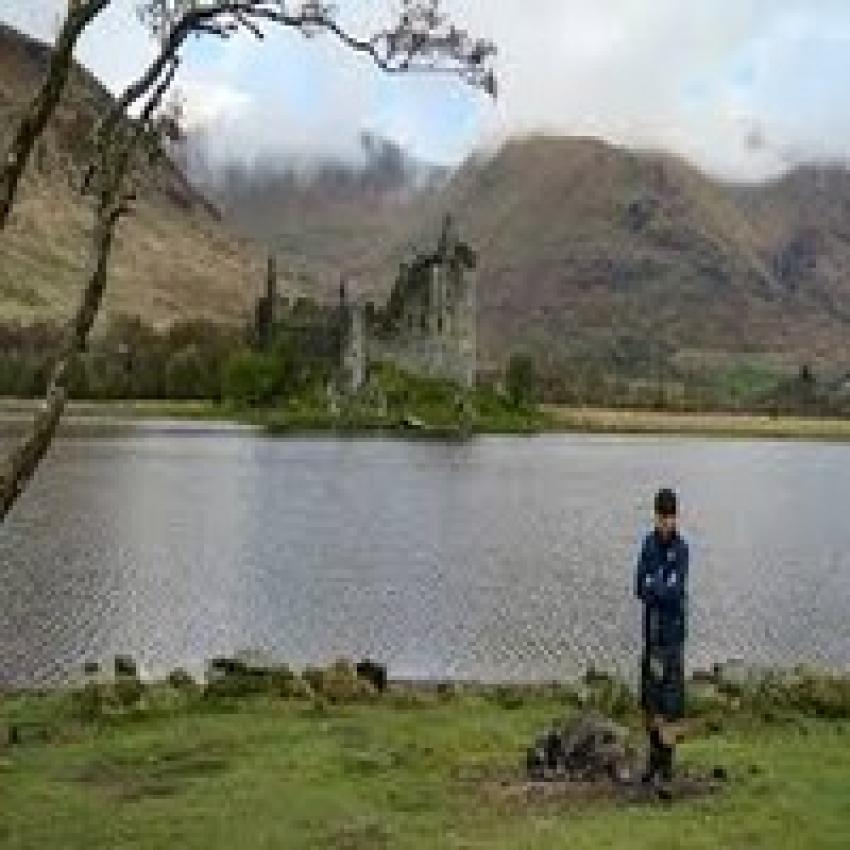
The most dominant and enduring global perception of Scotland is undoubtedly its breathtaking natural beauty. From the misty peaks of the Highlands to the mysterious depths of Loch Ness, the Scottish landscape is its primary export to the world’s imagination. Hollywood has played a significant role in this, using Scotland as a backdrop for epic fantasies like Braveheart and Highlander, and more recently, as the stand-in for Westeros in Game of Thrones (though primarily filmed in Northern Ireland, it cemented a certain aesthetic). This has created a powerful, almost mythical image of Scotland as a rugged, untamed wilderness—a perception that is, for the most part, wonderfully accurate and a major driver of its thriving tourism industry.
Then there’s the cultural toolkit that everyone associates with Scotland: the kilt, the bagpipes, the whisky, and the Loch Ness Monster. These icons are inescapable and form the bedrock of its international brand. While some might dismiss them as clichés, they are deeply rooted in authentic tradition. The world sees Tartan as a symbol of clan identity and heritage, not just a pattern on a souvenir. Scotch whisky is perceived as a premium, sophisticated spirit, crafted with centuries of expertise. These elements create a perception of a country deeply connected to its past, a place where tradition isn’t just remembered; it’s lived.
A significant shift in perception, particularly over the last 25 years, is Scotland’s political identity. The world watches with keen interest as Scotland asserts itself within the United Kingdom and on the global stage. The devolution of the Scottish Parliament and the independence referendum of 2014 projected an image of a nation confident, politically engaged, and fiercely democratic. Internationally, this has fostered a view of Scotland as progressive, forward-thinking, and distinct in its social and political values from its southern neighbour, especially in the context of events like Brexit.
But is Scotland perceived as being stuck in the past? Far from it. While it trades on its history, the global view is increasingly acknowledging its modern contributions. Scotland is a world leader in renewable energy, particularly wind and tidal power. Its universities in Edinburgh, Glasgow, and St. Andrews are renowned centres of innovation and academic excellence. The cities, too, shatter antiquated expectations. The efficiency and professionalism of services like Edinburgh Airport Transfers provide a visitor's first glimpse of a modern, connected infrastructure, whisking them from the airport not to a bygone era, but to a vibrant, cosmopolitan capital famed for its world-class festivals and tech scene.
Of course, not all perceptions are positive. The world also sees Scotland through the lens of its challenges. The stereotype of the hard-drinking Scot, often amplified by media, persists. International audiences are aware of Scotland’s complex relationship with health and social issues. Furthermore, the weather is an inseparable part of its image—a land of four seasons in one day, often veering towards the damp and chilly. Yet, even this is often romanticised, seen as the price of admission for such dramatic and lush scenery.
So, what is the real, holistic perception of Scotland? It’s a fascinating duality. The world sees a country that is both ancient and modern, rugged and innovative, tradition-bound and fiercely progressive. It is the land of the misty glen and the cutting-edge research lab; the home of the ceilidh and the international financial hub.
Ultimately, Scotland’s global image is one of profound authenticity. The stereotypes exist because they are often true—the landscapes are that stunning, the whisky is that good, and the people are that warmly humorous. But the real magic lies in the discovery that there is so much more beneath the surface. The world is gradually coming to see Scotland not just as a beautiful postcard or a historical footnote, but as a small nation with a massive cultural footprint, a powerhouse of ideas, and an open, welcoming heart that continues to captivate and surprise everyone who experiences it. It’s a perception built not on myth, but on a reality that is every bit as compelling.