After a fierce workout, a large growth, or after a high-day game, it is natural to feel a sense of pride joint with an annoying pain. But how can you separate the pain that is from a well -effort rewarding sensation, and is it a warning indication of something more problematic? Understanding the difference between muscle soreness and joint pain is crucial for athletes, fitness enthusiasts, and anyone leading an active lifestyle. Confusing the two can lead to either unnecessary worry or, worse, ignoring a significant issue.
Understanding Muscle Soreness
That sore, dull feeling that appears a day or two after a new or rigorous exercise is called Delayed Onset Muscle Soreness, or DOMS. It is an ordinary physiological reaction to stress in your muscle fibers. When you engage in rigorous exercise, you cause your muscle tissues to tear microscopically. Your body reacts by rebuilding the fibers, strengthening and toughening them up in the process, which is the very nature of muscle growth and adaptation.
Muscle soreness is most often described by:
· A deep, diffuse ache across the bulk of the muscle.
· Tenderness to palpation.
· Pain that is worse at rest and better with movement.
· Pain that usually reaches its peak 24–48 hours after activity and resolves in several days.
· No clear swelling, heat or redness.
After a challenge, think of it like a friendly hangover that has gone away. This is the way to tell you in your body's way, "Hey, you worked hard, now let's be strong."
Top of Form
Bottom of Form
Identifying Joint Pain
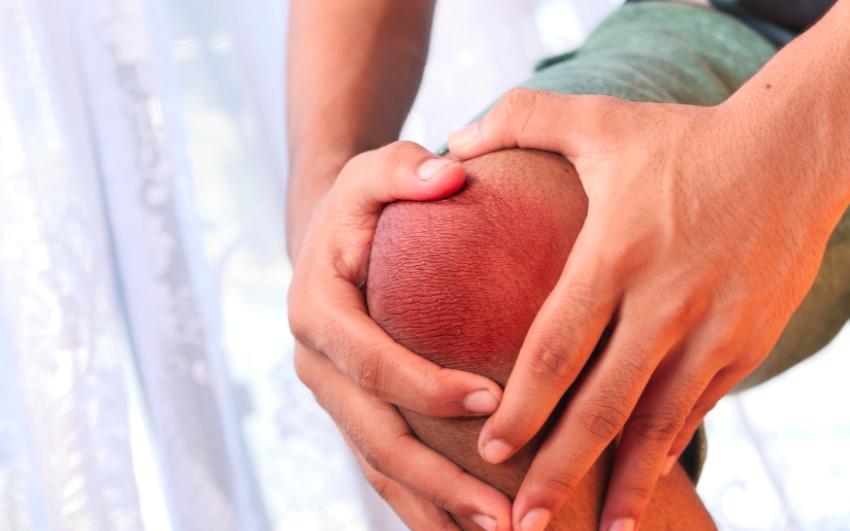
Joint pain is a different animal altogether. It's a more ominous warning that something is amiss in a joint—the intricate intersection of two or more bones. This is not about muscle adaptation; it's usually a sign of inflammation, damage, or wear and tear to the cartilage, ligaments, or tendons that compose the joint.
Can take the form of joint pain:
• A brief, pecking, or beating pain that's absolutely localized to the joint( eg, your knee, elbow, or shoulder).
• Pain that occasionally is also relaxed
• Visible signs like swelling, greensickness, heat, or a sense of stiffness and confined movement.
• A catching or grinding feeling when you move the joint.
• Pain that's occasionally immediate following an injury, similar as a sprain or fall.
Ignoring common pain can lead to habitual conditions like arthritis or can increase the current injury. This is the way your body says," Stop! There's a problem then that needs to be noted.
Learning the Difference Between Joint and Muscle Pain
Location of Pain: Muscle pain is a diffuse ache that you sense in the center of the muscle itself, such as your calf or your quadriceps. Joint pain is a stabbing, localized pain that you can identify directly to a joint, as your knee or ankle.
Kind of Sensation: Muscle soreness is generally a dull, aching sensation. Joint pain tends to be a sharp, throbbing, or stabbing type of pain that is very severe.
When It Develops: Muscle soreness develops after a time delay, thus typically developing 24 to 48 hours following an intense activity. Joint pain tends to develop immediately or soon following an injury.
Duration: Another distinguishing factor is duration. Muscle soreness typically goes away in one to three days. Joint pain, particularly if due to injury or an ongoing issue, can take weeks or months to resolve.
Additional Symptoms: Muscle soreness has little or no other symptoms apart from tenderness. Joint pain, however, is usually accompanied by redness, swelling, stiffness, or a dramatic reduction in your range of motion.
By looking at these differences, you can also see more clearly what your body is indicating and take the right action to either recover or seek professional medical assistance.
When to Seek Medical Help
Although a few days' soreness in the muscles is a positive sign, chronic or increasing pain is a cause for concern. If you find yourself with any of the following, it's time to see a health professional:
· The pain is severe, particularly following an injury.
· You observe the marked swelling, redness or heat in the area of the joint.
· The joint gets unstable or collapsed when you try to bear weight on it.
· You have a loss of range of motion or mobility in the joint.
Chronic joint pain, especially in the knee, can become a hurdle for many towards a good life. When physical therapy and medication are no longer helpful, a physician may suggest surgical interventions. When a decision is being made, of course, one would consider everything, including the cost of knee replacement in Ahmedabad. In certain situations, sophisticated surgery can heal the constant pain for a lifetime and allow for mobility.
Finally, listening to your body is the best rule. Muscle soreness is a badge of honour for all your hard work, but a chronic joint pain is a sign you need to pay close attention to and, in some instances, professional medical testing. Being aware of the difference, your arm yourself with making informed choices about your well-being and pursuing fitness safely and efficaciously.