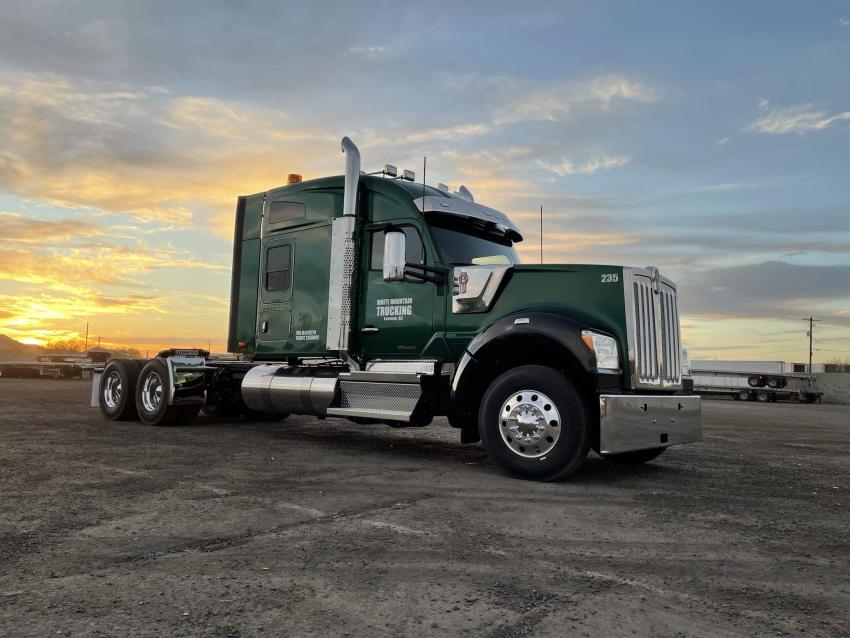
When it comes to moving oversized and overweight equipment, heavy haul transport is the specialized solution trusted by industries ranging from construction to energy. Unlike standard freight shipping, heavy haul requires meticulous planning, special permits, and the right equipment to ensure safety and compliance. Whether you're relocating a massive turbine, an excavator, or industrial machinery, partnering with an experienced shipping company can make all the difference.
In this article, we’ll explore everything you need to know about heavy haul transport, how to choose the right service provider, and what makes a shipping company stand out in this niche.
What Is Heavy Haul Transport?
Heavy haul transport refers to the transportation of loads that exceed the legal size or weight limits set by local or federal transportation authorities. These loads are typically too large for conventional shipping methods and require special equipment, permits, and routing to ensure compliance and safety.
Examples of heavy haul loads include:
Construction equipment (e.g., cranes, bulldozers)
Wind turbine blades and towers
Oil and gas machinery
Industrial generators
Military equipment
Because of the unique challenges associated with oversized freight, heavy haul transport demands specialized logistics expertise and a fleet capable of handling abnormal dimensions and weights.
Why You Need a Specialized Shipping Company
Not every shipping company is equipped to handle heavy haul projects. Unlike general freight services, heavy haul operations involve much more than loading and unloading cargo.
A reputable shipping company offering heavy haul transport services will provide:
Custom route planning: Avoiding low bridges, narrow roads, or weight-restricted areas.
Permit acquisition: Obtaining the necessary oversize and overweight permits.
Escort vehicles: Coordinating pilot cars and police escorts if required.
Specialized trailers: Including lowboys, extendable flatbeds, and multi-axle trailers.
Experienced drivers: Skilled in handling challenging driving conditions and complex maneuvers.
Without the right expertise and equipment, transporting heavy loads can lead to costly delays, legal penalties, or even accidents.
Equipment Used in Heavy Haul Transport
Efficient heavy haul transport relies on the right equipment. Since the cargo often outweighs and out-sizes normal freight loads, specialized trailers are essential.
Common Trailer Types:
Lowboy Trailers: Ideal for tall equipment, as they sit lower to the ground.
Drop Deck Trailers: Perfect for equipment that exceeds height restrictions.
Extendable Flatbeds: Used for long loads like windmill blades or piping.
Multi-Axle Trailers: Distribute weight evenly across many axles to stay within legal limits.
A professional shipping company will assess the cargo dimensions and recommend the appropriate trailer to ensure stability and compliance during transport.
Planning a Heavy Haul Project
Proper planning is crucial in heavy haul transport. From permits to routing, every aspect must be considered to avoid legal complications and ensure safety.
Key Planning Elements:
Cargo Assessment
The dimensions and weight of the cargo determine trailer type and permit requirements.Permits and Regulations
Every state or country has its own rules. Your shipping company must secure all necessary permits before transit.Route Optimization
Mapping out a safe and efficient route that accounts for height, weight, and road limitations.Timing and Scheduling
Many jurisdictions only allow travel during certain hours, often avoiding weekends and holidays.Insurance and Liability
Due to the high value and risk associated with these loads, comprehensive insurance is essential.
A successful heavy haul transport operation depends on seamless coordination between the logistics team, drivers, and local authorities.
Safety Considerations in Heavy Haul Transport
Moving oversized loads comes with inherent risks. That’s why safety is a top priority in any heavy haul transport operation. Leading shipping companies implement strict safety protocols to minimize potential hazards.
Common Safety Practices:
Pre-trip inspections of all vehicles and equipment
Driver training and certification
Real-time GPS tracking and communication
Use of escort vehicles for high-risk routes
Weather monitoring to avoid hazardous conditions
Safety is not just about protecting the cargo—it’s about safeguarding the public, the crew, and the infrastructure along the route.
Choosing the Right Shipping Company
The success of your heavy haul transport project hinges on the capabilities of the shipping company you hire. Here are key traits to look for:
Experience: Look for companies with a proven track record in handling complex, oversized loads.
Licensing & Insurance: Ensure the company is fully licensed and offers comprehensive insurance coverage.
Fleet & Equipment: Verify they have a range of trailers suitable for your cargo.
Project Management: A dedicated logistics team can make your project run smoothly from start to finish.
Customer Support: Clear communication and responsiveness are essential, especially for time-sensitive hauls.
Don’t hesitate to ask for references or case studies. A reliable shipping company will be happy to demonstrate their expertise.
Heavy Haul Transport in Different Industries
Many industries rely on heavy haul transport to move essential equipment that keeps operations running. Here’s how it’s used in various sectors:
Construction: Transporting excavators, cranes, and prefabricated structures to job sites.
Energy: Moving transformers, turbines, and oil rig components to remote locations.
Agriculture: Hauling large tractors, harvesters, and irrigation systems.
Manufacturing: Relocating assembly lines or factory machinery between facilities.
Military: Delivering tanks, armored vehicles, and support equipment across states or borders.
No matter the industry, heavy haul transport plays a critical role in supporting infrastructure, development, and national logistics.
Environmental Considerations
As awareness grows around sustainable practices, many companies are seeking ways to reduce the environmental impact of their logistics operations. While heavy haul transport is by nature energy-intensive, improvements in fuel-efficient vehicles, route optimization, and carbon offsetting are helping reduce emissions.
Leading shipping companies are now adopting eco-friendly strategies such as:
Fleet modernization with lower-emission engines
Load consolidation to minimize trips
Use of biodiesel or alternative fuels
Partnering with carbon credit programs
If sustainability is a priority for your organization, look for a shipping company that aligns with your green goals.
Conclusion
When it comes to transporting oversized and overweight loads, heavy haul transport is not just a service—it's a specialized solution that demands experience, precision, and professionalism. From selecting the right equipment to navigating legal requirements and ensuring safety, every detail counts. Choosing a knowledgeable and equipped shipping company can save time, reduce risks, and ensure your cargo arrives safely and on schedule.
Whether you're in construction, energy, manufacturing, or any other industry requiring oversized load services, heavy haul transport is the backbone of your logistics. Make sure you work with the right partner to handle it with care.