Bihar, a state located in the eastern part of India, is known not only for its historical significance but also for its vibrant culture and traditions. One of the most enchanting aspects of Bihar’s cultural heritage is its folk dances of Bihar. These dances are a reflection of the state’s rural life, customs, and religious beliefs, passed down from generation to generation. Each dance form tells a story, celebrates a festival, or conveys social messages, making them an integral part of Bihar’s cultural identity.
The Significance of Folk Dance in Bihar
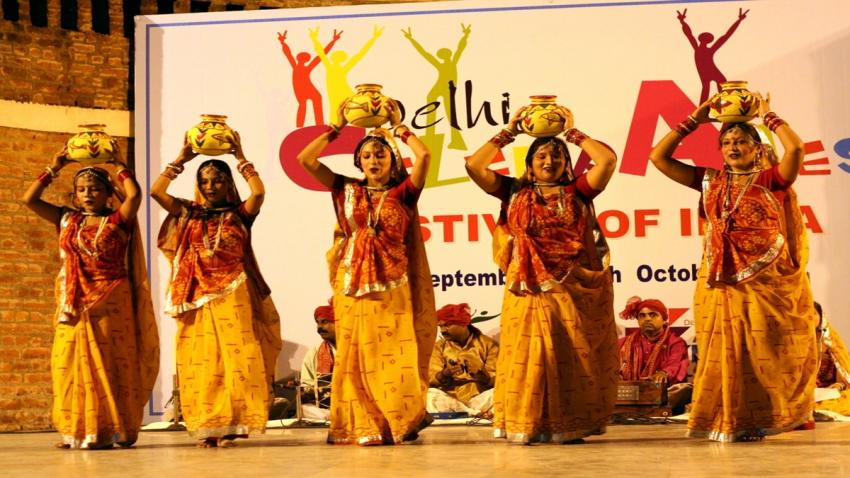
Folk dances in Bihar are more than just entertainment; they are a medium of cultural expression and community bonding. Rooted deeply in agrarian lifestyles, these dances often coincide with seasonal changes, harvest festivals, and local rituals. The dances are performed in colorful traditional attire, accompanied by rhythmic beats of traditional musical instruments such as the dholak, manjira, and flute.
The folk dance of Bihar is characterized by simplicity yet full of energy and emotion. It highlights the everyday life of the people, their joys, struggles, and hopes. Moreover, these dances are participatory, often performed during social gatherings where the community comes together, reinforcing social ties.
Popular Folk Dance of Bihar
Bihar has a rich variety of folk dances that vary from region to region. The Bihar folk dance list includes some of the most colorful and vibrant dance forms, each with its own unique style and cultural significance. Here are some prominent examples:
1. Jat-Jatin
One of the most popular dances, Jat-Jatin is a traditional dance performed during the harvest season. It tells the story of a couple, Jat and Jatin, portraying their love, quarrels, and reconciliations through lively and expressive movements. The dancers usually perform in pairs, with graceful hand gestures and footwork, accompanied by folk songs.
2. Bidesia
Bidesia is a theatrical folk dance form that narrates the tales of migration and separation. It expresses the pain and longing of people who migrate from Bihar to other parts of India or abroad in search of livelihood. The dance combines drama, music, and dance to depict these emotional narratives and is very popular in rural areas.
3. Paiki
Originating from the tribal communities of Bihar, Paiki is a martial dance performed by men. It showcases valor and bravery through powerful drumbeats and vigorous movements. The dancers wear traditional attire and carry swords or sticks, creating a captivating and energetic performance.
4. Jhijhiya
Jhijhiya is a unique folk dance performed primarily by women during the festival of Dussehra. The dancers balance earthen pots with holes on their heads, inside which a lamp is placed. The dance involves rhythmic movements and balancing skills, symbolizing the invocation of the goddess Durga for protection from evil spirits.
5. Domkach
Domkach is a popular wedding folk dance performed by women, especially from the Mithila region of Bihar. It is accompanied by folk songs that narrate the various rituals and emotions associated with marriage. The dance is joyful and lively, expressing happiness and blessing for the newlyweds.
Cultural Importance and Preservation Efforts
The folk dances of Bihar are an essential part of the state’s intangible cultural heritage. These dances help preserve the language, music, and traditions of the region. However, with increasing modernization and urbanization, there is a risk of these folk traditions fading away.
Recognizing their importance, various cultural organizations and government initiatives are working towards the preservation and promotion of Bihar’s folk dances. Folk dance festivals, workshops, and cultural exchange programs are being organized to encourage the younger generation to learn and carry forward these traditional art forms.
Folk Dance as a Tourism Attraction
Bihar’s folk dances are also gaining attention as a significant tourist attraction. Visitors to the state often get to witness these performances during festivals or cultural events, offering them a glimpse into Bihar’s rich cultural tapestry. The dances provide an immersive experience of the local lifestyle and traditions, adding to the cultural tourism appeal of the state.
Conclusion
In conclusion, the folk dance of Bihar represents the heart and soul of the state’s cultural heritage. From the passionate storytelling of Bidesia to the vibrant energy of Paiki and the graceful balance of Jhijhiya, each dance form holds a unique place in the cultural mosaic of Bihar. The folk dance of Bihar not only entertains but also educates, connects, and preserves the identity of its people.
The Bihar folk dance list is a testament to the diversity and richness of the state’s artistic traditions. It is vital to cherish and promote these dances, ensuring they continue to thrive and inspire future generations. As these folk dances echo through the villages and towns of Bihar, they keep alive the spirit of community, history, and culture that defines this remarkable region.
If you want, I can also help with a more detailed exploration of any specific dance from the list or its historical context!