India’s cultural heritage is a vast mosaic of art forms, traditions, and rituals, and among its most captivating expressions are the classical dances. Indian classical dances are not merely performances; they are storytelling mediums that intertwine music, rhythm, facial expressions, and intricate gestures to convey deep spiritual and cultural narratives. Rooted in ancient scriptures and temple rituals, these dances have evolved over centuries, preserving the ethos of Indian tradition and aesthetics.
Understanding Indian Classical Dances
Indian classical dance is an umbrella term for a variety of traditional dance forms recognized officially for their rich history, technical complexity, and cultural significance. Each dance form is unique in style, technique, costume, and narrative, yet all share a common goal — to express emotions and stories, often related to mythology, devotion, and nature.
These dances are deeply connected to the Natya Shastra, an ancient treatise on performing arts authored by Bharata Muni, which lays down the foundations of classical dance techniques, facial expressions (abhinaya), hand gestures (mudras), and rhythmic footwork.
The 8 Classical Dances of India
India officially recognizes eight classical dance forms, each representing a particular region, language, and tradition. These 8 classical dances of india are:
- Bharatanatyam (Tamil Nadu)
Known for its fixed upper torso, bent legs, and intricate footwork, Bharatanatyam is one of the oldest classical dance forms. It is deeply spiritual and traditionally performed in temples, focusing on themes from Hindu epics like Ramayana and Mahabharata. - Kathak (North India)
Kathak emphasizes storytelling through fast footwork, spins, and expressive gestures. Originating from the northern regions, it reflects a blend of Hindu and Mughal influences, narrating tales of Krishna and other deities. - Kathakali (Kerala)
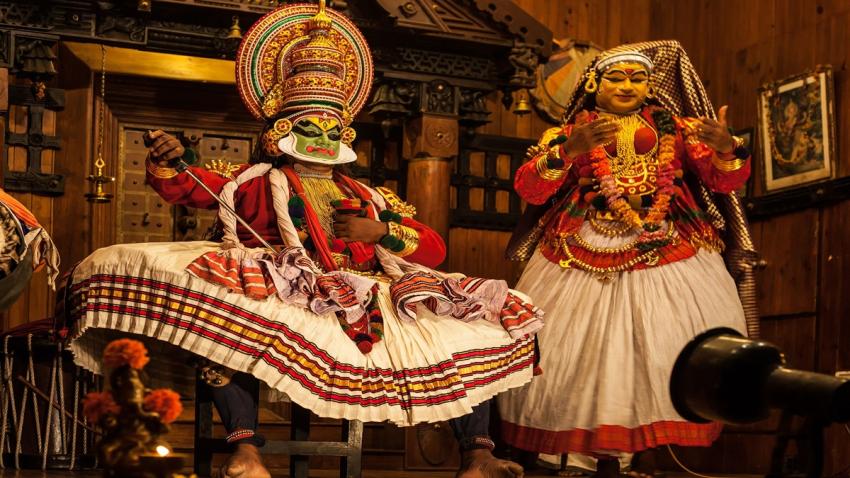
Recognizable for its elaborate makeup, colorful costumes, and dramatic facial expressions, Kathakali is a dance-drama form that enacts stories from Hindu mythology, especially the epics. - Kuchipudi (Andhra Pradesh)
Kuchipudi combines dance with drama and is known for its graceful movements and strong narrative style, often performed as a solo recital. - Manipuri (Manipur)
This dance is noted for its smooth, flowing movements and themes based on the life of Lord Krishna and Radha, highlighting devotion and romance with soft and graceful steps. - Odissi (Odisha)
Odissi is distinguished by its fluid torso movements, sculpturesque poses inspired by temple carvings, and emotive expressions, narrating tales from Hindu mythology. - Sattriya (Assam)
A dance form born out of Vaishnavite monasteries, Sattriya integrates music, drama, and dance to tell stories related to Krishna and spiritual devotion. - Mohiniyattam (Kerala)
Mohiniyattam, meaning “dance of the enchantress,” is feminine and graceful with swaying body movements and delicate gestures, often focusing on themes of love and devotion.
Forms of Classical Dance: Diversity in Unity
Though these classical dance differ widely in style, costume, and music, they share certain core elements. All use abhinaya (expressions), mudras (hand gestures), and tala (rhythm) to communicate. The movements are highly codified, each gesture and posture carrying symbolic meaning.
These forms of classical dance are much more than entertainment; they serve as vehicles for spiritual expression, social commentary, and preservation of history and mythology. They connect the performer and the audience in a transcendental experience that is both artistic and devotional.
Classical Dance Dress: The Visual Splendor
The classical dance dress plays a crucial role in enhancing the storytelling aspect of these dances. The attire is elaborate and distinctive for each dance form, designed not only for aesthetic appeal but also to allow freedom of movement and to highlight the dancer’s gestures.
- Bharatanatyam dancers wear vibrant silk sarees with pleated fans in front that flare beautifully during dance.
- Kathakali performers adorn themselves with heavy makeup, large headgear, and intricate costumes resembling mythological characters.
- Odissi dancers wear brightly colored sarees with silver jewelry and a distinct headpiece called Tahiya.
- Manipuri costumes are soft and flowing, with a cylindrical skirt called Potloi.
- Each classical dance form has its unique ensemble that reflects regional textiles, jewelry, and artistic traditions.
Types of Classical Dance: More Than Just Tradition
The types of classical dance in India are not just about form but also about function and purpose. Some, like Bharatanatyam and Odissi, evolved primarily in temple settings as devotional offerings. Others, like Kathak, were court dances showcasing royal elegance. Sattriya developed in monastic settings as a form of religious storytelling, while Kathakali is a theatrical spectacle.
These dances continue to evolve today, performed on global stages, taught in academies worldwide, and celebrated through festivals. They represent India’s artistic identity and continue to inspire new generations with their beauty, discipline, and storytelling power.
Conclusion
Indian classical dances are a testament to India’s rich cultural diversity and spiritual depth. The 8 classical dances of India stand as pillars of tradition, each narrating unique stories through rhythm, expression, and movement. Whether it is the intricate footwork of Kathak, the expressive eyes of Bharatanatyam, or the vibrant theatricality of Kathakali, these dance forms embody the essence of Indian art and heritage. The classical dance dress and codified gestures further enrich the experience, making Indian Classical Dance a timeless treasure that continues to captivate audiences around the world.
Exploring these classical dance forms offers not just a glimpse into India’s past but also an appreciation of the living, breathing art that connects generations through the universal language of movement and emotion.