First, that knocking sound makes your stomach drop, right? Because engines should hum, not hammer, you tense each mile. Yet you keep driving, hoping it fades. Still, the tap grows louder, and doubt sneaks in. Meanwhile, repair bills flash in your head. Thankfully, Mechanic in Holtsville hears this story every day, so calm is possible. Also, skilled techs know that most knocks follow clear clues, and each clue leads to a fix. Therefore, by using simple tests in the right order, they solve the mystery quickly. Even better, you learn why the noise started, so it stays gone. Then, instead of dreading the drive, you trust your engine again. Because clear steps bring confidence, we will break down the whole process in friendly language. So, grab a cup of coffee, breathe easy, and let’s explore how a pro turns scary sounds into smooth silence—one straightforward step at a time.
Step 1: Mechanic Holtsville Listens to the Knock
First, a skilled ear finds clues before tools appear. Because every engine note tells a story, the tech starts by listening while idle and revving gently. Moreover, they note rhythm, volume, and whether the sound rises with speed.
● A distinct “ping” often points to detonation.
● A deep “clunk” may hint at worn bearings.
● Knock only on the start-up can signal low oil.
Therefore, early listening narrows the search and saves teardown time. As one veteran says, “The engine speaks; we just translate.”
Step 2: Oil Check and Pressure Test
Next, the tech inspects fluid health. Mechanic Holtsville knows that thin or dirty oil reduces the cushion between metal parts, causing rods and pistons to tap.
● Dipstick reveals level, color, and metal flecks.
● Mechanical gauge confirms correct pressure, hot, and cold.
● The filter cut-open shows hidden debris.
Because fresh, correct-grade oil often quiets minor knocks, this step sometimes solves the issue on the spot.
Step 3: Fuel System Scan
However, if noise remains, attention shifts to fuel. Low-octane gas can cause pinging, and clogged injectors create lean spots. At the auto repair shop Holtsville, technicians run electronic flow tests while monitoring exhaust data.
● The scan tool checks the injector pulse width.
● Fuel-rail gauge verifies steady pressure.
● Bottle test catches water or ethanol overload.
Therefore, a simple injector clean or higher-grade fuel may hush the sound without major parts.
Step 4: Spark and Timing Inspection
Moreover, incorrect timing often triggers a knock. Here, mechanic Holtsville connects a timing light and scope to compare factory specs.
● Worn plugs can misfire under load.
● Weak coils drop voltage and delay the spark.
● Stretched timing belts shift cam events.
Thus, replacing inexpensive ignition parts frequently ends the tapping and boosts power, too.
Step 5: Knock Sensor Data & Table of Readings
Because modern engines self-monitor, techs review knock-sensor outputs while revving. When numbers spike, the sensor tells the computer to retard timing. Yet, a faulty unit may overreact or stay silent.
Should readings look odd, mechanic Holtsville helps swap the sensor and retest, ensuring accurate feedback and smoother running.
Step 6: Road Test and Emergency Backup
After shop checks, a road test confirms real-world progress. Meanwhile, the crew stays ready for sudden issues with an “emergency mobile auto repair near me” rig that carries spare coils, plugs, and oil.
● Uphill pull exposes hidden detonation.
● Highway cruise gauges heat soak effects.
● Instant data logging records every ping.
Consequently, final tweaks happen on the curb, not weeks later.
Step 7: Deep Dive—Bearings, Pistons, and Clearance
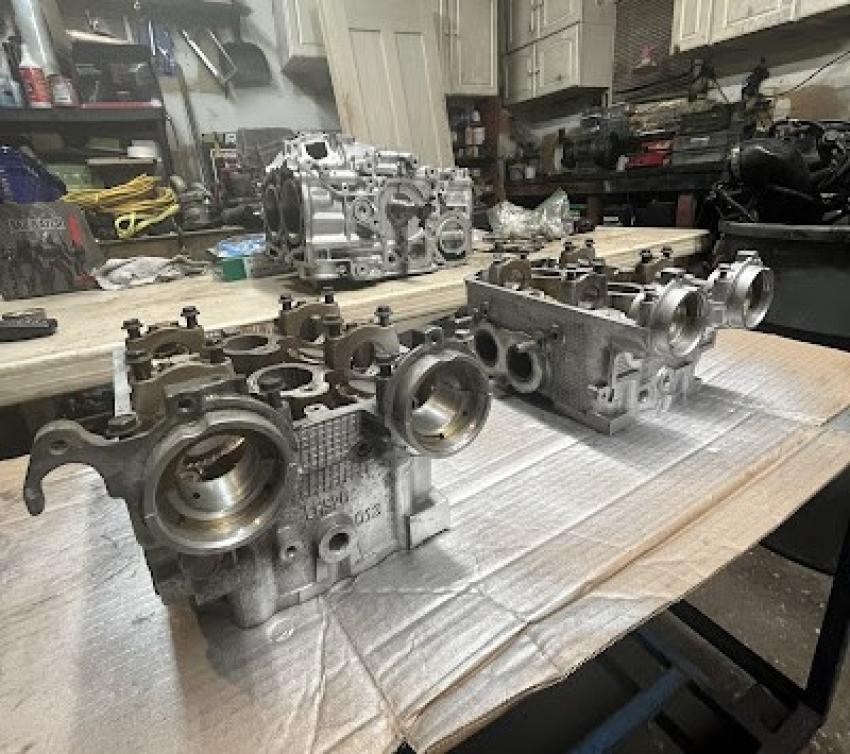
Yet, some knocks stem from worn internals. If noise persists, the mechanic Holtsville measures bearing clearances with plastigauge and checks piston slap.
● Oil pan removal grants bottom-end access.
● Micrometer verifies crank journal wear.
● Bore scope spots scuff marks on cylinder skirts.
Because fixing hard parts costs more, the shop reviews findings and options before turning a wrench.
Step 8: Final Tune and Preventive Tips
Finally, the knock disappears, but prevention matters. Therefore, the tech updates the owner’s service plan: use correct oil, change oil on schedule, and heed any new sounds. Importantly, the mechanic logs sensor data for future comparisons.
● High-detergent fuel cleans chambers.
● Synthetic oil resists heat breakdown.
● Seasonal inspections catch early wear.
Thus, the engine stays quiet, and drivers gain confidence mile after mile.
Knock Out Noise—Cruise With Confidence!
Engine knocks can scare any driver; however, a clear plan cures them fast. By following these eight smart steps, the mechanic pinpoints the source, fixes it, and proves the silence on the road. Because every measure is transparent, you leave knowing the motor is healthy and quiet. So, if that tap keeps you up at night, don’t wait. Call Uncle G Mobile Auto Repair today, schedule a detailed inspection, and let us knock out the noise for good. Your engine (and ears) will thank you.
“Quiet Engines, Happy Miles.”