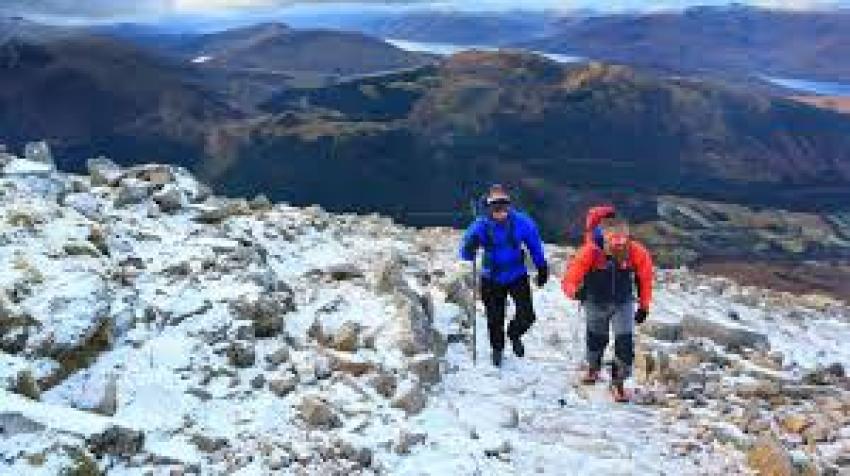
Ben Nevis Hike Difficulty and Essential Tips for a Successful Climb
Towering at 1,345 meters (4,413 feet), Ben Nevis is the UK's highest mountain and a bucket-list adventure for outdoor enthusiasts and hikers. Situated close to Fort William in Scotland, this legendary peak provides stunning vistas, challenging terrain, and a sense of satisfaction. But the Ben Nevis hike should not be taken lightly—its level of difficulty depends on the route, weather, and your skill level. Whether you are an experienced trekker or a novice mountaineer, proper preparation is essential.
If you're coming from Glasgow, book a Glasgow Taxi for a comfortable and hassle-free journey to Fort William, the entrance to Ben Nevis. This way, you'll be well-rested before your ascent.
Understanding the Difficulty of Ben Nevis
Ben Nevis presents different challenges depending on the path you take. The two main routes are:
The Mountain Track (Tourist Path) – the most used and easiest route, well-suited for novices with fair fitness. It's a maintained but precipitous path, 7–9 hours round-trip.
The Carn Mor Dearg Arete – A technically more difficult and exposed path best suited for experienced trekkers with scrambling ability. This route is ridge walking and has another level of difficulty.
Weather contributes immensely to the difficulty of the hike. It can change suddenly, with rain, fog, and even snow possible throughout the year. One needs proper equipment and navigation knowledge.
Essential Tips for Hiking Ben Nevis
1. Choose the Right Route for Your Skill Level
If it's your maiden visit, use the Mountain Track. Do not try the CMD Arete without experience or a guide.
2. Check the Weather Forecast
Ben Nevis has a reputation for unpredictable weather changes. Make it a rule always to consult the Mountain Weather Information Service (MWIS) beforehand.
3. Start Early
Start your hike at 6–7 AM in order to have sufficient daylight. The return is longer than anticipated, particularly if the hiker is tired.
4. Wear Proper Hiking Gear
Sturdy waterproof boots
Layered clothing (moisture-wicking base, insulating mid-layer, waterproof outer shell)
Gloves and a warm hat (even in summer)
A map, compass, and GPS (phone signal is unreliable)
For travelers, booking Edinburgh Airport Transfers to Fort William prior to arrival can be time- and hassle-saving, allowing you to concentrate on your trip.
5. Pack Enough Food and Water
Carry snacks with high energy content (nuts, energy bars, dried fruits) and a minimum of 2 liters of water. There is no refilling point on the mountain.
6. Pace Yourself
The climb is unrelenting—take frequent breaks to prevent fatigue. The last part (the "Zig-Zags") is steep.
7. Know When to Turn Back
If the visibility is reduced or the conditions become bad, don't be afraid to come down. The mountain will be there another time.
Final Thoughts
Ascending Ben Nevis is a once-in-a-lifetime experience, yet it requires respect and planning. By selecting the most suitable route, preparing accordingly, and being aware of weather conditions, you will be able to conquer this towering summit in safety. Whether you are a resident or visitor in Scotland, careful planning—right from the transport to equipment—will make your climb a triumphant and pleasurable one.
Up for the challenge? Put on your hiking boots, look at the weather, and get ready for the adventure!