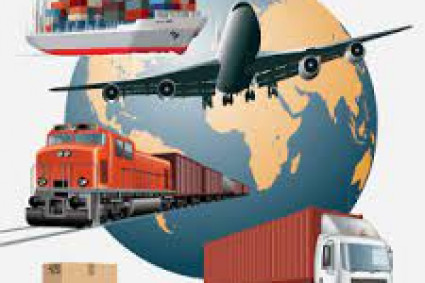
In a more integrated global economy, even local business centers such as Salem are seeing a rise in demand for cost-effective, secure international shipping services. For regional exporters, eCommerce companies, and small-scale manufacturers here, getting a reliable international courier service in Salem is no longer a choice but an essential operational requirement. With growing cross-border transactions, the logistics environment here is transforming fast, led by digital innovations and more intelligent supply chain models.
This post explores how modern logistics technology is reshaping international shipping for small and medium enterprises (SMEs) in tier-2 cities and why regional markets should no longer be considered back-office players in global trade.
The Rising Role of Regional Business Hubs in Global Logistics
For years, large metropolitan cities controlled global trade logistics. But the supply chain digitalization, coupled with increasing eCommerce penetration and decentralized production, has altered this equation. Regional cities such as Salem, famous for textiles, engineering components, and agri-based products, are becoming crucial nodes in the global trade ecosystem.
The emergence of SME exporters and D2C brands from such cities has raised the demand for nimble, scalable courier and freight services. Salem's business owners today require real-time tracking, transparent customs clearance, and competitive international shipping rates — the same as Mumbai, Delhi, or Bangalore.
This transformation is made possible largely due to technology-enabled logistics innovations filling infrastructure and operational gaps in non-metro cities.
Digital Platforms Simplifying Cross-Border Shipping
One of the largest challenges for SMEs in local regions has historically been managing intricate international shipping rules, paperwork, and cost savings. Contemporary courier companies now incorporate digital platforms that streamline this process from start to finish.
Features such as:
Automated duty, tax, and transit time shipping calculators
API-based order fulfillment integrations with eCommerce platforms
Intelligent address validation to reduce delivery mistakes
Digital invoicing and shipment tagging are baseline expectations from any good international logistics partner these days. An international courier service in Salem providing these capabilities keeps local businesses competitive in the world without depending on antiquated, paper-based workflows.
Additionally, AI-powered route optimization software and predictive analytics allow SMEs to better control their shipping expenses and make faster, more dependable delivery commitments to their overseas customers.
How IoT and Real-Time Data Are Enhancing Shipment Visibility
Worldwide customers increasingly need precise, live information regarding their shipments. Though previously this has been difficult for companies based in non-metro cities, logistics solutions empowered by IoT have made this possible to all.
Internet of Things-powered smart sensors, GPS trackers, and cloud-enabled shipment dashboards enable couriers to send accurate, live location, temperature-controlled (especially required for food, pharma, and perishable exports), and estimated delivery times updates.
For Salem's exporters and eCommerce participants, this means:
More control over customer experience through proactive updates
Improved risk management in the event of delays or route interruption
Data-driven insights for optimizing future logistics planning
A strong international courier partner with IoT-supported tracking capabilities can significantly improve the reliability and customer satisfaction rates of regional exporters selling on global marketplaces such as Amazon, Etsy, or Alibaba.
Tailor-made Courier and Freight Solutions for Varied Export Profiles
One of the frequently neglected issues for regional exporters is the variability in shipment profiles — ranging from light, high-value handicrafts to heavy, palletized textile consignments. Contemporary logistics service providers are aware of this and provide customized solutions ranging from express courier services for D2C orders to air and sea freight services for bulk exports.
Value-added services such as:
Customs clearance assistance\
Warehousing and fulfillment alliances
Special handling for delicate or temperature-sensitive products
A capable regional city businesses to scale globally without necessarily requiring in-house logistics specialists. A global courier service in Salem with such elastic offerings allows the local producers and traders to confidently venture into multiple global markets.
Conclusion:
Why Regional Markets Are No Longer Logistical Outliers
With changing technology in the logistics sector, business centers in regions are increasingly becoming part of the international supply chain. For urban SMEs and eCommerce players in Salem, this means an opportunity to break out of limitations caused by infrastructure gaps or geographic disadvantage.
The advent of technology-based, personalized, and internationally networked courier services implies that businesses here can now reach international markets more quickly, inexpensively, and with more control over operations. Decision-makers must make partnership with logistics providers offering integrated digital platforms, real-time tracking, and end-to-end supply chain visibility a top priority.
Over the coming years, anticipate a steep increase in international exports emanating from regional Indian cities, driven by more intelligent logistics infrastructure and localized production hub demand. Cross-border trade's future is decentralized — and for Salem-based companies, the moment to invest in cutting-edge international shipping solutions has arrived.