Restless Legs Syndrome (RLS), also called Willis-Ekbom Disease, is a neurological disorder. People who suffer from RLS feel a hard, irritating craving to move their legs. This usually happens when they’re resting, especially in the evening or at night. The need to move legs can make it hard to fall asleep or stay asleep.
What Does RLS Feel Like?
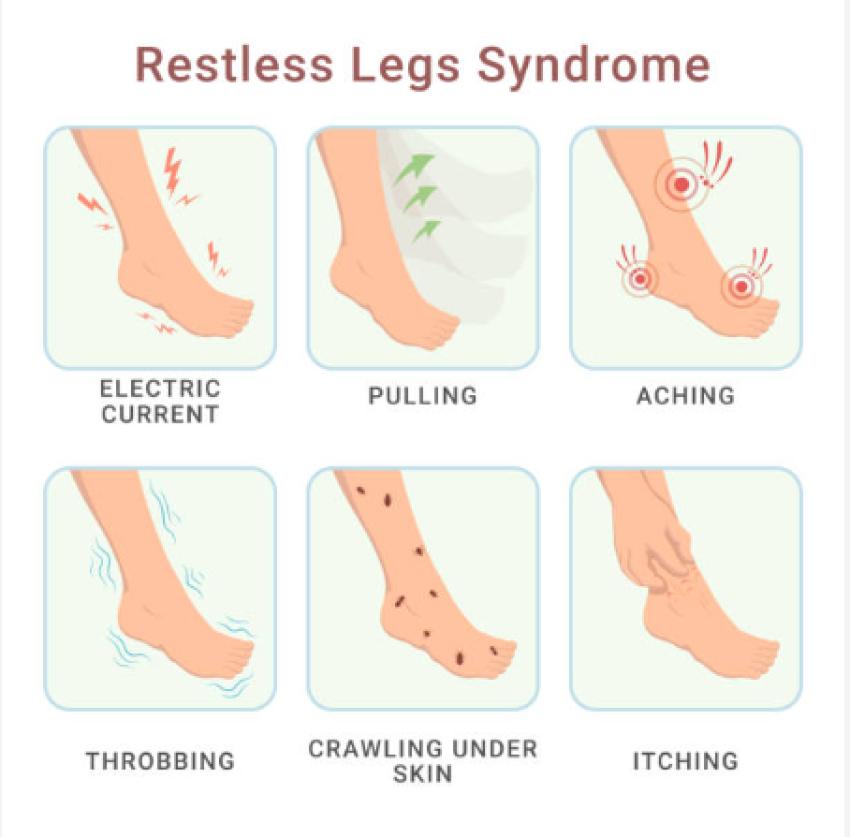
RLS is not just about moving your legs. It comes with unpleasant sensations like crawling, tingling, aching, or pulling deep inside the legs. Some people describe it as an itch they can’t scratch. These feelings mostly show up when you're lying down or sitting still for a long time—like watching a movie or on a flight.
Moving your legs helps—at least for a short time. But the symptoms come back when you stop. That’s why sleep becomes a problem.
How RLS Affects Your Sleep
Sleep is often the biggest issue for people with restless legs disorder. The symptoms usually get worse at night. Many people with RLS also have something called Periodic Limb Movements in Sleep (PLMS). This means their legs jerk or twitch every 20 to 40 seconds during sleep. You may not even notice it, but it can wake you up or stop you from going into a deep sleep.
Over time, this leads to sleep deprivation, daytime tiredness, trouble focusing, and mood changes. You might feel like you're always tired, even after hours in bed.
Causes of RLS
The causes of RLS are not fully known, but doctors believe it's related to how the brain uses dopamine. Dopamine is a chemical that helps control muscle movement.
There are two types of RLS:
Primary RLS: This type often runs in families. It usually starts before age 40 and gets worse over time. No clear cause is found.
Secondary RLS: This happens because of another medical condition or a medication. Some common causes include:
Iron deficiency (low ferritin levels)
Pregnancy, especially in the third trimester
Chronic kidney disease
Diabetes
Peripheral neuropathy
Certain medications
Caffeine, alcohol, or nicotine
Low iron levels are a major cause. Iron helps the brain make dopamine. When iron is low, dopamine doesn’t work as it should, which can trigger RLS symptoms.
RLS Symptoms
Unpleasant leg sensations at rest
Strong urge to move the legs
Symptoms worse at night
Trouble falling or staying asleep
Daytime fatigue from poor sleep
Leg jerks during sleep (PLMS)
RLS Remedy and Treatment
There’s no complete cure for restless legs, but there are ways to manage it.
Lifestyle Tips:
Get regular sleep.
Avoid caffeine, alcohol, and nicotine.
Try walking, stretching, leg massages, or warm baths.
Take iron supplements if your ferritin is below 50 ng/mL.
These simple steps can ease mild symptoms.
RLS Medication:
For moderate to severe RLS, doctors may prescribe:
Dopamine agonists like pramipexole or ropinirole
Gabapentin or pregabalin (helpful if nerve pain is present)
Opioids, in rare cases, for severe RLS that doesn’t respond to other meds
Clonazepam or other sleep aids (not first choice, but sometimes used)
Every treatment plan is personal. It depends on your symptoms, age, other health issues, and how your body reacts.
Final Thoughts
RLS disease is more than just a sleep issue. It affects your quality of life. If you feel the symptoms, don’t ignore them. Talk to a doctor. They may check your iron levels or suggest treatments. A proper plan can help you sleep better, feel better, and live better.
Sleep shouldn’t be a struggle. And if RLS is the reason, there are real ways to manage it.