Your roof is more than just the top layer of your home; it’s your primary defense against the elements, a critical component of your house's structural integrity, and a significant contributor to your home's curb appeal. Whether you're building a new home, renovating an old one, or simply maintaining your existing roof, understanding roofing is essential. In this comprehensive guide, we'll walk you through everything you need to know about roofing, from materials and installation to maintenance and repair. Let's dive in!
Understanding Roofing Basics
Roofing refers to the materials and construction techniques used to cover the top of a building. It’s not just about keeping the rain out; a well-built roof provides insulation, enhances energy efficiency, and adds to the overall aesthetics of your home.
Types of Roofing Materials
Choosing the right roofing material is crucial. Here are some common options:
- Asphalt Shingles: Affordable and easy to install, they are the most popular choice in many regions.
- Metal Roofing: Known for its durability and longevity, metal roofing is also fire-resistant.
- Tile Roofing: Made from clay or concrete, tile roofs are durable and offer a distinctive look.
- Flat Roofs: Common in commercial buildings, flat roofs require special materials to ensure proper drainage and waterproofing.
Choosing the Right Roofing Material
Selecting the right roofing material involves considering various factors:
- Climate: Some materials perform better in certain climates. For example, metal roofs are ideal for areas with heavy snowfall.
- Budget: Roofing materials vary significantly in cost. Asphalt shingles are budget-friendly, while metal and tile can be more expensive.
- Aesthetic Preference: Your roof should complement your home's architectural style.
Comparing Popular Materials
Here’s a quick comparison of some popular roofing materials:
- Asphalt Shingles: Affordable, versatile, but may have a shorter lifespan.
- Metal Roofing: Long-lasting, energy-efficient, but higher initial cost.
- Tile Roofing: Extremely durable, unique look, but heavy and costly.
Roof Installation Process
Before installing a new roof, prepare your home by securing the attic and surrounding areas. This helps protect your belongings from dust and debris.
Steps in Roof Installation
1. Inspection and Removal: The old roof is inspected and removed.
2. Installing Underlayment: A protective layer is installed to shield your home from water.
3. Laying Down the Roofing Material: The chosen roofing material is installed.
4. Final Inspection: The new roof is inspected to ensure everything is properly installed.
Roof Maintenance Tips
Regular inspections can help identify potential issues before they become major problems. Aim to inspect your roof at least twice a year.
Cleaning Gutters
Clogged gutters can lead to water damage. Keep them clean to ensure proper drainage.
Addressing Minor Repairs
Fixing small issues like broken shingles or minor leaks promptly can prevent bigger problems down the line.
Common Roofing Problems
Leaks
Roof leaks can cause significant damage if not addressed promptly. Regular inspections and maintenance can help prevent leaks.
Broken or Missing Shingles
Shingles can break or go missing due to weather conditions. Replacing them as soon as possible is crucial.
Poor Installation Issues
Improper installation can lead to various problems, including leaks and reduced lifespan of the roof. Always hire a reputable roofer to avoid such issues.
Roof Repair vs. Replacement
When to Repair
Minor damages like small leaks or a few missing shingles can often be repaired without replacing the entire roof.
When to Replace
If your roof is old or extensively damaged, replacement might be the more cost-effective option in the long run.
Hiring a Professional Roofer
Professional roofers have the experience and tools to do the job correctly, ensuring the longevity and safety of your roof.
How to Choose the Right Roofer
Look for licensed and insured roofers with good reviews and reasonable pricing. Ask for references and check their previous work.
Questions to Ask Potential Roofers
- What is your experience with this type of roofing material?
- Can you provide a detailed written estimate?
- What is your timeline for completion?
Roofers in London: What You Need to Know
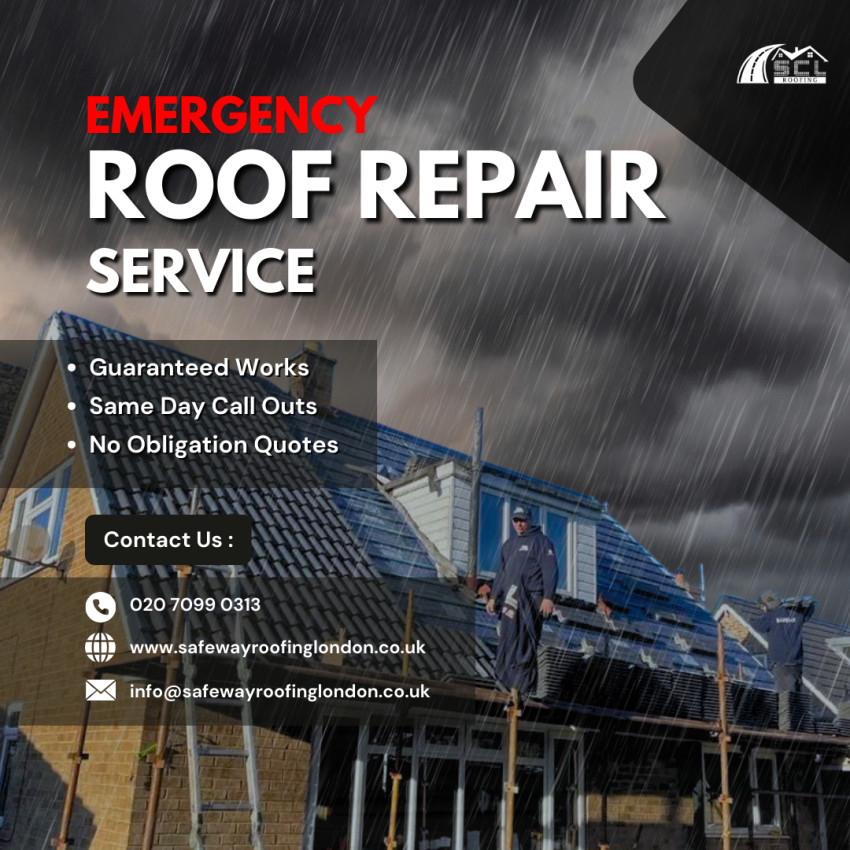
When looking for Roofers in London, it's crucial to choose a company with local expertise. Safeway Roofing London, for example, offers extensive experience and a solid reputation in the area, ensuring quality and reliable service.
Roofing Costs and Budgeting
Roofing costs depend on various factors, including material type, roof size, and labor charges. Additional costs may arise from necessary repairs or upgrades.
Budgeting Tips
Plan for your roofing project by getting multiple estimates, setting aside a contingency fund, and prioritizing essential repairs.
Eco-Friendly Roofing Options
Eco-friendly roofs can reduce energy costs, enhance your home’s value, and contribute to environmental sustainability.
Types of Sustainable Roofing Materials
- Cool Roofs: Reflect more sunlight and absorb less heat.
- Green Roofs: Covered with vegetation, offering insulation and aesthetic benefits.
- Solar Tiles: Generate electricity while protecting your home.
Roofing and Home Insurance
Home insurance policies often cover roof damage caused by unexpected events like storms. Review your policy to understand what is included.
Filing a Claim for Roof Damage
Document the damage, get a professional inspection, and contact your insurance company to start the claims process.
Seasonal Roofing Considerations
Preparing Your Roof for Winter
Ensure your roof is ready for winter by fixing any damage and ensuring proper insulation and ventilation.
Summer Maintenance Tips
Inspect for damage caused by winter, clean the gutters, and check for mold or algae growth.
DIY Roofing: Is It Worth It?
While DIY roofing can save money, it requires significant time, effort, and expertise. Mistakes can be costly and dangerous.
Safety Considerations
Always prioritize safety. Use proper equipment, work with a partner, and consider professional help for major repairs.
Conclusion
Your roof is a vital part of your home, protecting you from the elements and contributing to your home's overall value. By understanding roofing basics, maintaining your roof, and knowing when to seek professional help, you can ensure your roof remains in top condition for years to come.
FAQs
1. How often should I inspect my roof?
Aim to inspect your roof at least twice a year, preferably in the spring and fall.
2. What is the lifespan of a typical roof?
The lifespan of a roof depends on the material. Asphalt shingles last 20-30 years, metal roofs 40-70 years, and tile roofs can last over 100 years.
3. Can I install a new roof over my old one?
In some cases, you can install a new roof over an old one, but it’s essential to