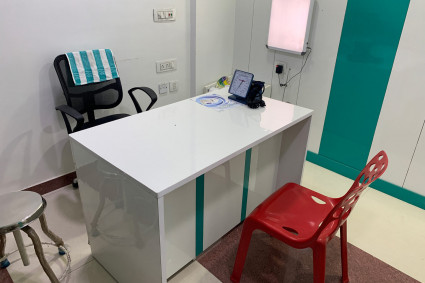
IV therapy, also known as intravenous therapy IV Therapy at Home in Dubai , is a medical technique used to deliver fluids, medications, and nutrients directly into the bloodstream. It has gained popularity in recent years due to its effectiveness in providing quick relief and improving overall health. One common question that arises regarding IV therapy is whether the duration of treatment varies based on the type of therapy administered. Let's explore this in detail.
Introduction to IV Therapy
What is IV Therapy?
IV therapy involves the administration of fluids, vitamins, minerals, and medications directly into the bloodstream through a vein. This method ensures rapid absorption and immediate effects, making it a preferred choice for various medical conditions.
Importance of IV Therapy
IV therapy is essential for hydrating the body, replenishing essential nutrients, boosting the immune system, and delivering medications efficiently. It is widely used in hospitals, clinics, and wellness centers to treat dehydration, nutrient deficiencies, and other health issues.
Types of IV Therapy
IV therapy comes in different forms, each designed to address specific health concerns. Some common types of IV therapy include:
Hydration Therapy
Hydration therapy involves administering fluids directly into the bloodstream to replenish lost fluids and electrolytes. It is commonly used to treat dehydration caused by illness, exercise, or excessive alcohol consumption.
Vitamin Therapy
Vitamin therapy, also known as IV vitamin infusion, delivers high doses of vitamins and minerals directly into the bloodstream. This therapy is used to boost energy levels, improve immune function, and enhance overall health and wellness.
Detox Therapy
Detox therapy aims to rid the body of toxins and impurities by delivering detoxifying agents directly into the bloodstream. It helps cleanse the body, improve liver function, and promote overall detoxification.
Immune Boost Therapy
Immune boost therapy delivers a combination of vitamins, minerals, and antioxidants to strengthen the immune system and enhance its ability to fight off infections and illnesses.
Duration of IV Therapy
The duration of IV therapy can vary based on several factors, including the type of therapy administered, the patient's health condition, and individual needs. While some therapies require short-term treatment, others may necessitate longer sessions for optimal results.
Factors Influencing Duration
The duration of IV therapy may be influenced by:
- The severity of the condition being treated
- The patient's overall health and medical history
- The specific goals of the therapy
- The type and dosage of medications or nutrients being administered
Variations Based on Therapy Type
Different types of IV therapy may require varying durations of treatment. For example:
- Hydration therapy sessions are typically shorter and may last anywhere from 30 minutes to a few hours, depending on the severity of dehydration.
- Vitamin therapy sessions may vary in duration based on the type and dosage of vitamins administered, ranging from 30 minutes to a few hours.
- Detox therapy sessions may last longer, spanning several hours or even days, depending on the detoxification protocol and the patient's response to treatment.
- Immune boost therapy sessions can range from 30 minutes to a few hours, depending on the specific immune-boosting agents used and the patient's immune status.
Importance of Individualized Treatment
It's crucial to customize the duration of IV therapy to meet the unique needs of each patient. Healthcare providers should assess the patient's condition, medical history, and treatment goals to determine the optimal duration of therapy. Individualized treatment plans help ensure safe and effective outcomes.
Conclusion
In conclusion, the duration of IV therapy can vary based on the type of therapy administered, the patient's health condition, and individual needs. Whether it's hydration therapy, vitamin therapy, detox therapy, or immune boost therapy, healthcare providers must tailor treatment durations to ensure optimal results while minimizing risks. By customizing treatment plans and closely monitoring patients,