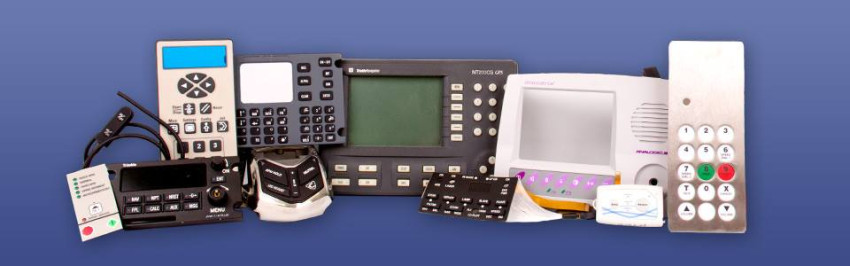
In the ever-evolving landscape of technology, user interfaces play a pivotal role in shaping our interactions with electronic devices. Among the myriad interface technologies available, Membrane Keypads have risen to prominence as versatile and dependable solutions. In this comprehensive exploration, we will dive deep into the world of Membrane Keypads, unraveling their functionality, applications, advantages, and the creative possibilities they offer to designers and engineers.
Decoding Membrane Keypads: How They Work
Membrane Keypads, as the name suggests, are user interface components comprising multiple layers of flexible materials, typically polyester or polycarbonate. These layers are assembled to create a functional keypad with a range of buttons, and their operation is both ingenious and reliable.
1. Layered Design:
A typical Membrane Keypad consists of three primary layers: the top graphic overlay, the middle spacer layer with domes or buttons, and the bottom circuit layer.
The top graphic overlay is the visible surface with labels or icons, while the bottom circuit layer contains conductive traces.
2. Button Press Mechanism:
When a user applies pressure to a button on the Membrane Keypad, it causes the top graphic overlay to deform and make contact with the conductive traces on the circuit layer beneath.
This contact forms an electrical circuit, registering the button press and sending a signal to the connected device.
3. Tactile Feedback:
Membrane Keypads often provide tactile feedback, a slight "click" or resistance, when buttons are pressed. This feedback enhances the user experience by confirming that the button press has been registered.
Applications of Membrane Keypads
The versatility of Membrane Keypads makes them indispensable across a wide spectrum of industries and applications. Their reliability, cost-effectiveness, and customizable design make them a preferred choice in the following sectors:
1. Consumer Electronics:
Remote controls, television sets, gaming consoles, and microwave ovens frequently feature Membrane Keypads, offering users a responsive and user-friendly interface.
2. Medical Devices:
Membrane Keypads are crucial components in medical equipment, including diagnostic devices, patient monitoring systems, and laboratory instruments.
Their durability and ease of sterilization are vital in healthcare settings.
3. Industrial Control Panels:
Manufacturing and automation industries rely on Membrane Keypads for control panels in machinery and equipment.
Their resistance to dust, moisture, and chemicals makes them ideal for challenging industrial environments.
4. Automotive:
Automobile manufacturers integrate Membrane Keypads into vehicle dashboards, steering wheel controls, and infotainment systems.
These keypads provide a tactile and reliable interface for drivers and passengers.
5. Aerospace and Military:
Membrane Keypads are used in aircraft, spacecraft, and military equipment, where reliability and durability are paramount.
They can withstand extreme temperatures, vibrations, and shock.
Advantages of Membrane Keypads
The adoption of Membrane Keypads is driven by a multitude of advantages they offer over other interface technologies:
1. Durability: Membrane Keypads have no moving parts, resulting in a longer lifespan and reduced maintenance costs.
2. Customization: Graphic overlays can be easily designed to match specific branding or functionality requirements, providing a high degree of customization.
3. Space-Efficient: Their slim profile makes Membrane Keypads ideal for devices with limited space, contributing to sleek and compact designs.
4. Environmental Resistance: Membrane Keypads are resistant to moisture, chemicals, and dust, making them suitable for diverse and challenging environments.
5. Cost-Effective: These keypads are often more cost-effective to produce compared to mechanical alternatives, offering excellent value for money.
Unlocking Creative Possibilities with Membrane Keypads
The creative possibilities with Membrane Keypads are virtually limitless. Designers and engineers have the opportunity to innovate and create user interfaces that not only meet functional requirements but also elevate the user experience. Some creative avenues include:
1. 3D Shapes: Membrane Keypads can be molded into 3D shapes and designs, adding a tactile and visually appealing dimension to the interface.
2. Backlighting: Integration of backlighting options allows for enhanced visibility in low-light conditions, providing an aesthetic edge.
3. Touch Sensitivity: Capacitive touch technology can be employed for sleek, touch-sensitive Membrane Keypads, offering a modern and responsive interface.
4. Haptic Feedback: The incorporation of haptic feedback technology provides users with tactile confirmation of keypresses, further enhancing the user experience.
5. Wearable Technology: Membrane Keypads are well-suited for wearable technology, enabling comfortable and unobtrusive user interfaces in devices like smartwatches and fitness trackers.
The Future of Membrane Keypads
As technology continues to advance, Membrane Keypads are expected to evolve in tandem with industry trends and innovations. Some potential developments to watch for include:
1. Enhanced Materials: Advancements in materials science may lead to even more durable and environmentally friendly options for Membrane Keypads.
2. Integration with IoT: Membrane Keypads will continue to play a significant role in the Internet of Things (IoT) ecosystem, facilitating user interactions with smart devices.
3. Sustainability: The industry may see an increased focus on sustainable materials and manufacturing processes to align with environmental goals.
4. Advanced Sensing Technology: Continued innovation in sensing technology will lead to more responsive and sophisticated Membrane Keypads interfaces.
In conclusion, Membrane Keypads stand as a testament to the innovation and adaptability of user interface technology. Their durability, tactile feedback, and versatility have made them a preferred choice in numerous industries, from consumer electronics to aerospace. As technology continues to evolve, Membrane Keypads will continue to adapt and play a pivotal role in enhancing our interactions with electronic devices, ensuring a user-friendly and reliable experience for years to come.