As we age, it is common that we will experience knee issues at some point in our lives. Knee discomfort and pain can severely limit one’s quality of life and well-being. Moreover, non-invasive methods often fall short of providing sufficient relief.
For those who have no options left, total or partial knee replacement surgery becomes the best solution to chronic knee pain relief.
This comprehensive guide explores all of its details, from the steps involved and recovery processes to potential advantages to patients looking for relief.
Understanding Knee Replacement Surgery
Knee replacement or knee arthroplasty or total knee replacement and is an operation to restore a damaged knee caused by arthritis. The knee joint is replaced with the metal and plastic parts that are used to replace the ends of the bones of which it consists and with the patella. A reputable Knee Replacement Surgeon in Jaipur increases the success rate of the surgery.
The ends of the bones comprising the knee joint are capped with metal and plastic parts and the kneecap. This surgery is for patients with advanced arthritis or a severe knee injury.
Knee replacement surgery aims at replacing the parts of the knee joint that have suffered damage and relieving knee pain, which is impossible to control by other means of treatment.
Procedure of Total Knee Replacement Surgery
1. Anesthesia and Incision:
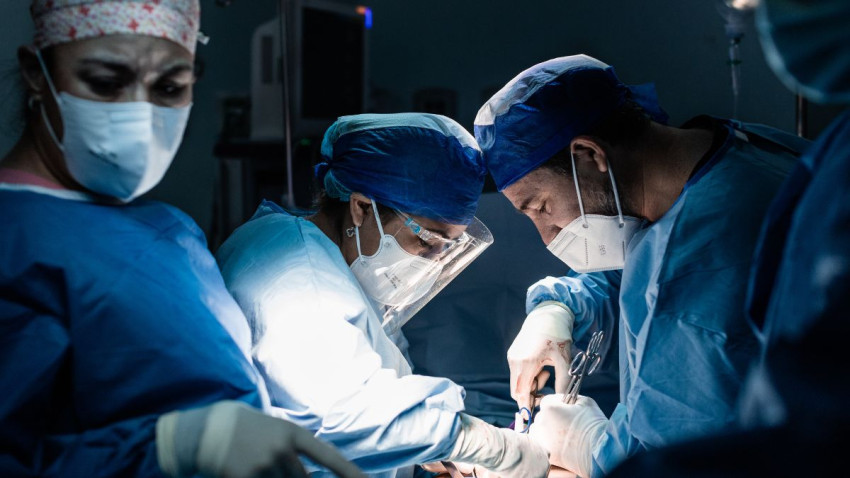
Knee replacement surgery is typically conducted under either general or regional anaesthesia, depending on patient health and surgeon preference. Once anaesthetized, an incision will typically be made over the knee, either at its front or side, to access its organ.
2. Removing Damaged Tissue:
After carefully diagnosing or eliminating diseased or damaged cartilage and bone from the knee joint, surgery involves precisely extracting it with great care to maintain the knee’s natural alignment and functionality.
3. Implant Placement:
Once damaged tissue has been extracted, a surgeon begins replacing it with artificial joint components made of metal alloy femur tibia components, high-grade polymers for the tibias, and spacer plastic for smooth movement between. They’re fastened securely using either bone cement or press-fit techniques to provide stability and durability over time.
4. Closure and Recovery:
Once an implant has been secured into place, surgeons close its incision using sutures or staples, followed by recovery room monitoring before returning patients to their hospital rooms.
Postoperative Rehabilitation Care and Services:
1. Immediate Postoperative Period:
Following knee replacement surgery, patients are closely monitored for signs of complications and pain management strategies are implemented as quickly as possible. Physical therapy also begins promptly to enhance joint mobility and strength.
2. Hospital Stay and Rehabilitation:
Hospital stays typically last from one or two days up to seven. Patients work closely with physical therapists to regain strength, mobility, and independence – initial aid might include crutches or walkers before progressing toward more independent movement.
3. At-Home Recovery:
After the patient’s discharge, patients continue their rehabilitation at home by performing specific exercises and medications as instructed. Follow-up appointments with their surgeon will ensure the healing process progresses smoothly, and the doctor can quickly address any concerns or complications.
Benefits and Considerations Of Total Knee Replacement Surgery
1. Pain Reliever and Mobility Enhancer:
One of the primary advantages of knee replacement surgery is that it alleviates chronic pain. It also simultaneously improves mobility and quality of life of the patient. Many have seen significant gains in daily activities performed more easily due to surgery and increased quality of life overall.
2. Long-Term Success and Durability:
Knee replacements will offer long-term relief to their patients, thanks to advances in materials and surgical techniques. This all increases success and prolongs the lifespan of knee implants.
Risks and Complications of Knee Replacement Surgery
Knee replacement surgery is normally safe. However, complications such as infection, blood clots, implant loosening or nerve/blood vessel damage should always be considered during preoperative consultation sessions.
One should take appropriate measures to minimize their occurrence. Patients will be informed fully regarding these potential dangers to minimize any occurrence.
In case a patient experiences any of the following, consult with your doctor immediately:
- Fever
- Swelling, redness, bleeding, or any drainage from the incision spot
- Increased discomfort close to the incision spot
Ask your doctor about the diet and resume your normal diet only after your doctor’s approval. Your doctor will also put restrictions on certain activities. Hence, follow them as well. Full healing from surgery will take a few months. You may also need an assistive instrument (cane or walker) to help you in walking until your power and balance improve.
Conclusion
Knee replacement surgery comes with risks and challenges. However, its promise for increased mobility, decreased pain levels, and better quality of life make it a compelling solution for knee conditions.
Medical technology continues its advances and provides more refined approaches for knee replacement procedures worldwide. In case you are in Jaipur and looking for a reliable knee surgeon, then book a consultation at Ginni Devi Hospital.