Joining a First Aid course in Calgary is a proactive step towards acquiring essential life-saving skills. Whether you're taking the course for personal knowledge or professional requirements, consider these five crucial factors to ensure a meaningful and effective learning experience.
1. Accreditation and Certification:
Ensure that the First Aid course you choose is accredited by recognized organizations. Accreditation ensures that the course adheres to established standards and guidelines, providing you with accurate and reliable information. Additionally, seek courses that offer certification upon completion. Certification not only validates your skills but is often a requirement in various professional settings.
2. Course Content and Duration:
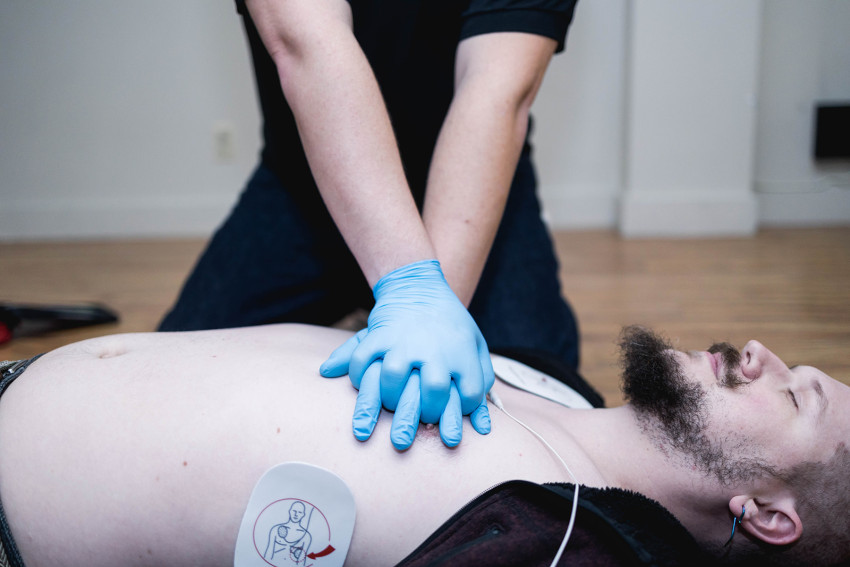
Evaluate the course content to ensure it covers a comprehensive range of First Aid topics. Look for courses that include CPR (Cardiopulmonary Resuscitation), basic wound care, emergency response, and AED (Automated External Defibrillator) training. The duration of the course is also crucial. While shorter courses may be convenient, ensure they cover all essential topics adequately. Balancing thorough content with a reasonable duration ensures a well-rounded learning experience.
3. Training Methods and Practical Exercises:
Effective First Aid training involves a combination of theoretical knowledge and hands-on practice. Look for courses that incorporate interactive and practical training methods. Practical exercises, such as simulated scenarios and skill demonstrations, allow participants to apply their knowledge in real-life situations. This hands-on approach enhances retention and builds confidence in responding to emergencies.
4. Instructor Qualifications:
The qualifications and experience of the instructors significantly impact the quality of the course. Instructors should be certified in First Aid training and possess relevant experience in emergency response. Experienced instructors can provide valuable insights, share practical tips, and answer questions effectively. Research the instructor's background and ensure they align with the standards set by recognized First Aid organizations.
5. Course Accessibility and Schedule:
Consider the accessibility of the course in terms of location and schedule. Choose a course that is conveniently located and offers a schedule compatible with your availability. Some courses may be available online, providing flexibility for those with busy schedules. However, ensure that online courses maintain a balance between theory and practical training, and that they meet certification requirements.
In a Nutshell:
Joining a First Aid course in Calgary is a responsible and empowering decision. By considering accreditation, course content, training methods, instructor qualifications, and accessibility, you can make an informed choice that aligns with your learning goals and scheduling needs. Remember that First Aid skills are valuable assets that not only enhance personal safety but also contribute to the well-being of the community. Choose a course that equips you with the knowledge and confidence to respond effectively in emergency situations, making a positive impact when it matters most.