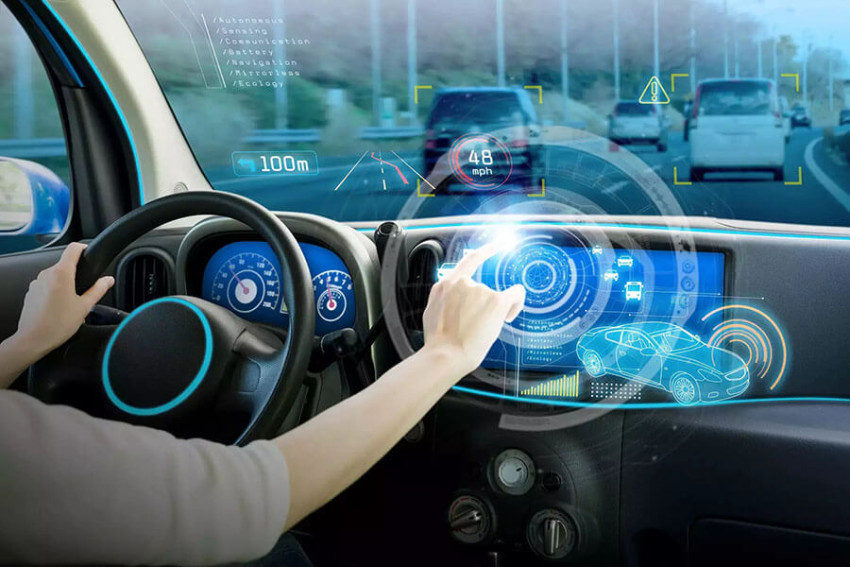
The transportation industry is on the brink of a revolution, thanks to the rapid advancements in Artificial Intelligence (A.I.) and automation technologies. With the integration of A.I. systems into vehicles and transportation infrastructure, the future of transportation is being reshaped. In this article, we will explore how A.I. driven automation is transforming the transportation sector, from autonomous vehicles and smart traffic management to improved safety and sustainability.
1. Introduction to A.I. Driven Automation in Transportation
Understanding A.I. Driven Automation
A.I. driven automation refers to the use of Artificial Intelligence technologies to automate various functions and processes in the transportation industry. This includes autonomous vehicles, traffic management systems, predictive analytics, and smart infrastructure. The utilization of A.I. has the potential to enhance the efficiency, safety, and sustainability of transportation systems.
The Importance of A.I. Driven Automation in Transportation
A.I. driven automation has the potential to revolutionize the transportation sector in numerous ways. It can enhance road safety by eliminating human error, increase efficiency by optimizing traffic flow, reduce congestion and emissions, and improve the overall user experience. With A.I. at the core of transportation systems, cities can become smarter and more connected, paving the way for a sustainable and efficient future.
2. Autonomous Vehicles: The Future of Mobility
The Rise of Autonomous Vehicles
Autonomous vehicles, also known as self-driving cars, are at the forefront of transportation innovation. Advanced sensors, cameras, and A.I. algorithms are integrated into these vehicles, allowing them to navigate and make decisions autonomously, without requiring human intervention. The development of autonomous vehicles is driven by the goal of improving road safety, reducing traffic congestion, and providing convenient transportation options.
Benefits of Autonomous Vehicles
Autonomous vehicles offer several benefits for both individuals and society. A.I. has the potential to substantially decrease accidents resulting from human error, systems are designed to be highly accurate and responsive. Additionally, autonomous vehicles can optimize traffic flow by reducing the need for human reaction times, leading to smoother and more efficient journeys. They also have the potential to increase accessibility for people with disabilities and the elderly, providing them with new mobility options.
Challenges and Considerations
While the future of autonomous vehicles looks promising, there are still challenges and considerations to address. Ensuring the safety and reliability of A.I. systems is of utmost importance. Robust testing, validation, and regulatory frameworks are necessary to build trust in autonomous vehicles. Additionally, ethical considerations, such as decision-making algorithms in critical situations, need to be carefully addressed to ensure the safety and well-being of both passengers and pedestrians.
3. Smart Traffic Management Systems
Intelligent Traffic Flow Optimization
A.I. driven automation enables the development of smart traffic management systems. These systems leverage real-time data, predictive analytics, and machine learning algorithms to optimize traffic flow. By analyzing current traffic conditions, these systems can dynamically adjust traffic signals, reroute vehicles, and provide real-time traffic information to drivers. This leads to reduced congestion, improved fuel efficiency, and shorter travel times.
Enhanced Safety Measures
A.I. technologies can also enhance safety measures in traffic management. By analyzing traffic patterns and data from various sources, such as cameras and sensors, A.I. systems can detect and predict potentially hazardous situations. This enables proactive measures, such as alerting drivers of dangerous conditions, dynamically adjusting traffic patterns, and optimizing traffic signal timings to reduce the risk of accidents.
4. Improved User Experience and Connectivity
Personalized Transportation Services
A.I. driven automation allows for personalized transportation services tailored to individual needs. Through mobile applications and smart devices, users can access on-demand transportation services, optimized route recommendations, and real-time travel updates. A.I. algorithms can consider factors such as traffic conditions, personal preferences, and historical data to provide a seamless and efficient user experience.
Connectivity and Integration
A.I. in transportation also promotes connectivity and integration between different modes of transport. By integrating data from various sources, such as public transport systems, ride-sharing services, and parking facilities, A.I. systems can provide users with comprehensive travel information and seamless intermodal experiences. This enhances the overall efficiency and convenience of transportation networks.
5. Sustainability and Environmental Impact
Reduced Emissions and Energy Consumption
A.I. driven automation has the potential to significantly reduce emissions and energy consumption in the transportation sector. By optimizing traffic flow, minimizing idling time, and promoting eco-friendly driving behavior, A.I, the implementation of these systems can aid in lowering fuel consumption and mitigating greenhouse gas emissions. Additionally, the integration of electric and autonomous vehicles can further contribute to a greener and more sustainable transportation ecosystem.
Efficient Logistics and Supply Chain Management
A.I. technologies also play a vital role in improving logistics and supply chain management. A.I.-powered systems can optimize route planning, load distribution, and delivery schedules, leading toa more efficient use of resources and reduced carbon footprint. Through predictive analytics and real-time data, A.I. can identify the most efficient routes, optimize load capacities, and minimize wastage, resulting in cost savings and environmental benefits.
6. Conclusion
The future of transportation is being shaped by A.I.-driven automation, from the revolution of autonomous vehicles in mobility to the optimization of traffic flow by smart traffic management systems. A.I. is fundamentally transforming the transportation sector. With improved safety, enhanced user experience, and sustainable practices, A.I. technologies have the potential to transform the way we move and connect. However, it is crucial to address challenges such as safety regulations, ethical considerations, and infrastructure requirements to ensure a seamless transition into this automated future.
The integration of A.I. into transportation systems requires collaboration between various stakeholders, including policymakers, researchers, and industry experts. By leveraging the power of A.I., we can unlock a future where transportation is not only efficient but also safer, greener, and more connected.
Remember, the future of transportation is in the hands of A.I. driven automation, and together, we can pave the way for a smarter and more sustainable future.